- Addiction
- Mental Health
- About Us
Find Treatment By
Rehabs by Location


Find Treatment By
Learn
About Us
Recovery.com combines independent research with expert guidance on addiction and mental health treatment. Our mission is to help everyone find the best path to recovery through the most comprehensive, helpful network of treatment providers worldwide.
Advisory Council
Our advisory council brings together leaders in behavioral health, technology, and business. Their diverse expertise ensures our resources and product are innovative, evidence-based, and effective. They guide our mission as accomplished individuals dedicated to improving the landscape of addiction recovery and mental wellness.
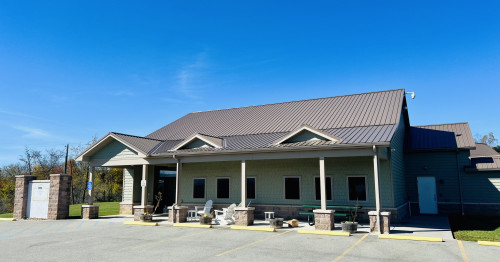
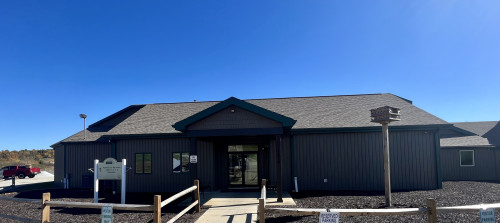
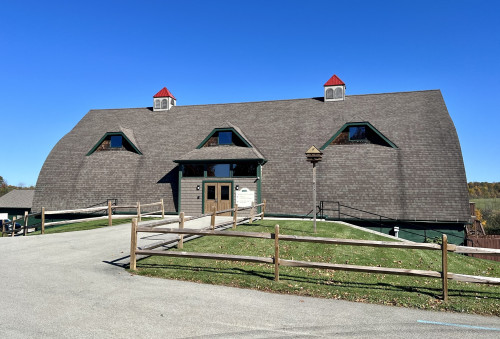
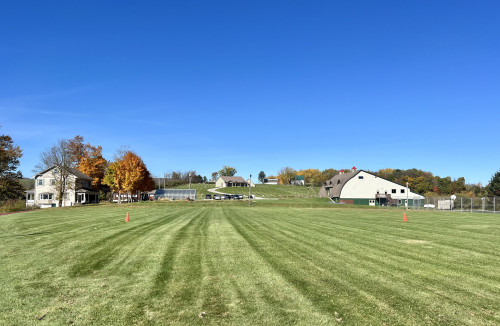
Outside In School of Experiential Education
Treatment Focus
This center treats substance use disorders and co-occurring mental health conditions. Your treatment plan addresses each condition at once with personalized, compassionate care for comprehensive healing.
Primary Level of Care
Offering intensive care with 24/7 monitoring, residential treatment is typically 30 days and can cover multiple levels of care. Length can range from 14 to 90 days typically.
This provider hasn't verified their profile's information. Are you the owner of this center? Claim your listing to better manage your presence on Recovery.com.
Treatment Focus
This center treats substance use disorders and co-occurring mental health conditions. Your treatment plan addresses each condition at once with personalized, compassionate care for comprehensive healing.
Primary Level of Care
Offering intensive care with 24/7 monitoring, residential treatment is typically 30 days and can cover multiple levels of care. Length can range from 14 to 90 days typically.
Provider's Policy
Our admissions team will work with you to explore the right payment options based on your needs, ensuring you get the best possible treatment.
Outside In School of Experiential Education
Outside In School of Experiential Education
About Outside In School of Experiential Education
A private, nonprofit organization offering a comprehensive range of care services for youth, adults, and families throughout Pennsylvania. With a focus on outpatient and residential care, Outside In specializes in treating substance use disorders and co-occurring mental health conditions. Services are geared toward adolescent males aged 13–18 in residential care and include outpatient programs for both young adults and families. The program also offers weekend-based alternatives and a year-round academic curriculum for eligible youth, who are referred by county juvenile probation offices as part of a rehabilitative approach. Instead of being sent to juvenile detention, these young people are placed in the program to continue their education and build life skills. They are treated as students, working to develop self-respect and take charge of their futures. At the core of the organization’s philosophy is the belief that recovery is a learning journey.
Help Guide Treatment with Clinically Informed Placement
Outside In’s treatment approach offers multiple levels of care based on clinical needs, with placement decisions guided by validated tools like the american society of addiction medicine (ASAM) adolescent patient placement criteria. The residential program, Pathway to Recovery, provides 48 beds for adolescent males and incorporates a variety of evidence-based practices. Outpatient and in-home services include individual, group, and family counseling. The model blends the “Stages of Change” with motivational interviewing (MI), alongside evidence-based therapies such as Multi-Dimensional Family Therapy (MDFT), and adventure therapy—supporting emotional processing and real-world skill application.
Core Programs Supporting Youth in Recovery
Outside In offers three core programs designed to help youth build life skills and reclaim their futures. The Sanctions Program is a weekend-based alternative for court-involved youth, blending community service with structured life skills groups and in-home case management. The Voyagers Program is a 4–6+ month residential experience that uses outdoor expeditions, daily group activities, and restorative justice to build responsibility, teamwork, and personal growth. Their Education Program provides a year-round academic track with diploma and GED options, small-group instruction, and hands-on vocational training in areas like carpentry, technology, and photography—helping students reconnect with learning in a meaningful way.
Building a Foundation for Lasting Recovery
Recovery planning begins early and takes a collaborative approach through the “Single Plan,” a personalized aftercare and relapse prevention strategy developed within 30 days of admission. Regularly updated, it guides clients toward independent living. Ongoing support continues through alumni and peer coaching programs that help clients maintain long-term recovery.
Center Overview
Treatment Focus
This center treats substance use disorders and co-occurring mental health conditions. Your treatment plan addresses each condition at once with personalized, compassionate care for comprehensive healing.
CARF Accredited
CARF stands for the Commission on Accreditation of Rehabilitation Facilities. It's an independent, non-profit organization that provides accreditation services for a variety of healthcare services. To be accredited means that the program meets their standards for quality, effectiveness, and person-centered care.

Insurance Accepted



Cash Pay Rates
Estimated Cash Pay Rate
Center pricing can vary based on program and length of stay. Contact the center for more information. Recovery.com strives for price transparency so you can make an informed decision.
Levels of Care


Your Care Options
Specializations
Adolescents
Teens receive the treatment they need for mental health disorders and addiction, with the added support of educational and vocational services.
Alcohol
Using alcohol as a coping mechanism, or drinking excessively throughout the week, signals an alcohol use disorder.
Drug Addiction
Drug addiction is the excessive and repetitive use of substances, despite harmful consequences to a person's life, health, and relationships.
Who We Treat
Adolescents
Teens receive the treatment they need for mental health disorders and addiction, with the added support of educational and vocational services.
Young Adults
Emerging adults ages 18-25 receive treatment catered to the unique challenges of early adulthood, like college, risky behaviors, and vocational struggles.
Approaches
Evidence-Based
A combination of scientifically rooted therapies and treatments make up evidence-based care, defined by their measured and proven results.
Experiential
Expressive tools and therapies help patients process past situations, learn more about themselves, and find healing through action.
Family Involvement
Providers involve family in the treatment of their loved one through family therapy, visits, or both–because addiction is a family disease.
Gender-Specific
Separate treatment for men or women can create strong peer connections and remove barriers related to trauma, shame, and gender-specific nuances.
Individual Treatment
Individual care meets the needs of each patient, using personalized treatment to provide them the most relevant care and greatest chance of success.
Therapeutic Community
Therapeutic communities allow patients to contribute to the success and progress of their community, through healthy behaviors or even basic chores.
Therapies
1-on-1 Counseling
Patient and therapist meet 1-on-1 to work through difficult emotions and behavioral challenges in a personal, private setting.
Family Therapy
Family therapy addresses group dynamics within a family system, with a focus on improving communication and interrupting unhealthy relationship patterns.
Life Skills
Teaching life skills like cooking, cleaning, clear communication, and even basic math provides a strong foundation for continued recovery.
Motivational Interviewing
Based on the idea that motivation to change comes from within, providers use a conversational framework to discover personalized methods for change.
Relapse Prevention Counseling
Relapse prevention counselors teach patients to recognize the signs of relapse and reduce their risk.
Trauma-Specific Therapy
This form of talk therapy addresses any childhood trauma at the root of a patient's current diagnosis.
Languages
Conditions We Treat
Anger
Although anger itself isn't a disorder, it can get out of hand. If this feeling interferes with your relationships and daily functioning, treatment can help.
Gambling
Excessive, repetitive gambling causes financial and interpersonal problems. This addiction can interfere with work, friendships, and familial relationships.
Substances We Treat
Co-Occurring Disorders
A person with multiple mental health diagnoses, such as addiction and depression, has co-occurring disorders also called dual diagnosis.
Drug Addiction
Drug addiction is the excessive and repetitive use of substances, despite harmful consequences to a person's life, health, and relationships.
Aftercare
Care Designed for Your Needs
Personal Amenities
Amenities
Special Considerations
Gender-specific groups
Patients in gender-specific groups gain the opportunity to discuss challenges unique to their gender in a comfortable, safe setting conducive to healing.