- Addiction
- Mental Health
- About Us
Find Treatment By
Rehabs by Location


Find Treatment By
Learn
About Us
Recovery.com combines independent research with expert guidance on addiction and mental health treatment. Our mission is to help everyone find the best path to recovery through the most comprehensive, helpful network of treatment providers worldwide.
Advisory Council
Our advisory council brings together leaders in behavioral health, technology, and business. Their diverse expertise ensures our resources and product are innovative, evidence-based, and effective. They guide our mission as accomplished individuals dedicated to improving the landscape of addiction recovery and mental wellness.
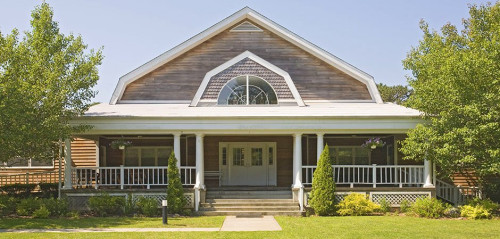
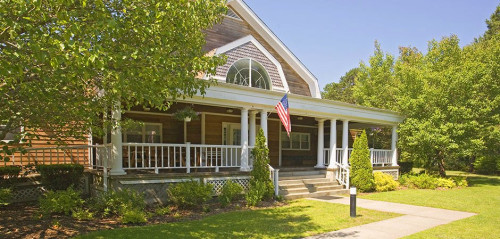
Phoenix House Wainscott
Treatment Focus
This center treats substance use disorders and co-occurring mental health conditions. Your treatment plan addresses each condition at once with personalized, compassionate care for comprehensive healing.
Primary Level of Care
Offering intensive care with 24/7 monitoring, residential treatment is typically 30 days and can cover multiple levels of care. Length can range from 14 to 90 days typically.
Claimed
Recovery.com has connected directly with this treatment provider to validate the information in their profile.
Treatment Focus
This center treats substance use disorders and co-occurring mental health conditions. Your treatment plan addresses each condition at once with personalized, compassionate care for comprehensive healing.
Primary Level of Care
Offering intensive care with 24/7 monitoring, residential treatment is typically 30 days and can cover multiple levels of care. Length can range from 14 to 90 days typically.
Private Pay
You pay directly for treatment out of pocket. This approach can offer enhanced privacy and flexibility, without involving insurance. Exact costs vary based on program and length of stay. Contact the center for specific details.
Phoenix House Wainscott
Phoenix House Wainscott
About Phoenix House Wainscott
Phoenix House is a dual-diagnosis treatment provider with several locations in the New York area offering residential and outpatient treatment to adults and teens who are struggling with addiction and co-occurring mental health. Their Wainscott location offers evidence-based treatment and a nurturing environment for young adult males with substance abuse disorders.
Phoenix House offers strength-based, holistic treatment for addiction and underlying mental health disorders in a structured and healing environment. Skilled and compassionate clinicians provide assessments, individual and group counseling, co-occurring mental health treatment, case management, and discharge planning for clients.
Individualized Care
Phoenix House in Wainscott offers young adult males a safe and supportive environment to focus on recovery. Clients go through an initial medical and psychological assessment that will identify their unique treatment needs and provide them with a comprehensive treatment plan. Individually tailored treatment plans are designed to meet each individual’s treatment needs, and case management services provide regular monitoring to track progress and make adjustments accordingly. Clients will work toward their recovery goals with a team of qualified professionals that include licensed therapists, counselors, and trained medical staff who are committed to providing quality care in a supportive environment.
Their highly structured dual-diagnosis program offers holistic, evidence-based treatment. Residential treatment may consist of individual and group therapy, relapse prevention counseling, educational and vocational support, and life skills training. They use proven methods such as cognitive behavioral therapy (CBT), dialectical behavioral therapy (DBT), and trauma-specific therapy as part of their programs. Experiential therapy methods may include creative activities led by a therapist, such as art, dance, or music therapy used to promote social and emotional well-being.
In addition to evidence-based therapies, patients will also receive life skills, educational, and vocational training as part of their treatment to help with reintegration back into society and maintaining sobriety. Phoenix House also offers medication-assisted treatment (MAT) to clients who are struggling with physical dependency, which includes medications that can help manage and alleviate the physical symptoms of withdrawal such as methadone or suboxone.
Their military community services program offers substance abuse and mental health treatment specifically designed to deal with suicide prevention, post traumatic stress disorder (PTSD), and the unique needs of veterans, current military personnel, and their families.
Phoenix House is active in engaging with the community, advocating for addiction and mental health treatment and recovery resources. After treatment, clients are connected to a strong alumni network, providing ongoing support and allowing them to stay connected, provide encouragement, and share experiences with others in recovery. Discharge planning can assist clients in finding outpatient support once they complete their residential program.
Phoenix House in Wainscott is CARF accredited and accepts most major credit cards and insurance providers.
Center Overview
Treatment Focus
This center treats substance use disorders and co-occurring mental health conditions. Your treatment plan addresses each condition at once with personalized, compassionate care for comprehensive healing.
CARF Accredited
CARF stands for the Commission on Accreditation of Rehabilitation Facilities. It's an independent, non-profit organization that provides accreditation services for a variety of healthcare services. To be accredited means that the program meets their standards for quality, effectiveness, and person-centered care.
Pricing and Program Length
Estimated Center Costs
The cost listed here (Call for Rates), is an estimate of program cost. Center price can vary based on program and length of stay. Contact the center for more information. Recovery.com strives for price transparency so you can make an informed decision.
Levels of Care


Your Care Options
Specializations
Co-Occurring Disorders
A person with multiple mental health diagnoses, such as addiction and depression, has co-occurring disorders also called dual diagnosis.
Medication-Assisted Treatment
Combined with behavioral therapy, prescribed medications can enhance treatment by relieving withdrawal symptoms and focus patients on their recovery.
Who We Treat
Young Adults
Emerging adults ages 18-25 receive treatment catered to the unique challenges of early adulthood, like college, risky behaviors, and vocational struggles.
Approaches
Evidence-Based
A combination of scientifically rooted therapies and treatments make up evidence-based care, defined by their measured and proven results.
Experiential
Expressive tools and therapies help patients process past situations, learn more about themselves, and find healing through action.
Gender-Specific
Separate treatment for men or women can create strong peer connections and remove barriers related to trauma, shame, and gender-specific nuances.
Holistic
A non-medicinal, wellness-focused approach that aims to align the mind, body, and spirit for deep and lasting healing.
Personalized Treatment
The specific needs, histories, and conditions of individual patients receive personalized, highly relevant care throughout their recovery journey.
Strengths-Based
Providers using a strengths-based philosophy focus on the positive traits of their patients, creating a positive feedback loop that grows confidence.
Therapies
1-on-1 Counseling
Patient and therapist meet 1-on-1 to work through difficult emotions and behavioral challenges in a personal, private setting.
Experiential Therapy
With this approach, patients heal by doing. Therapists help patients process difficult emotions to speak, using guided activities like art or dance.
Family Therapy
Family therapy addresses group dynamics within a family system, with a focus on improving communication and interrupting unhealthy relationship patterns.
Life Skills
Teaching life skills like cooking, cleaning, clear communication, and even basic math provides a strong foundation for continued recovery.
Medication-Assisted Treatment
Combined with behavioral therapy, prescribed medications can enhance treatment by relieving withdrawal symptoms and focus patients on their recovery.
Relapse Prevention Counseling
Relapse prevention counselors teach patients to recognize the signs of relapse and reduce their risk.
Languages
Conditions We Treat
Trauma
Some traumatic events are so disturbing that they cause long-term mental health problems. Those ongoing issues can also be referred to as "trauma."
Substances We Treat
Alcohol
Using alcohol as a coping mechanism, or drinking excessively throughout the week, signals an alcohol use disorder.
Co-Occurring Disorders
A person with multiple mental health diagnoses, such as addiction and depression, has co-occurring disorders also called dual diagnosis.
Cocaine
Cocaine is a stimulant with euphoric effects. Agitation, muscle ticks, psychosis, and heart issues are common symptoms of cocaine abuse.
Drug Addiction
Drug addiction is the excessive and repetitive use of substances, despite harmful consequences to a person's life, health, and relationships.
Heroin
Heroin is a highly addictive and illegal opioid. It can cause insomnia, collapsed veins, heart issues, and additional mental health issues.
Aftercare
Care Designed for Your Needs
Personal Amenities
Amenities
Special Considerations
Gender-specific groups
Patients in gender-specific groups gain the opportunity to discuss challenges unique to their gender in a comfortable, safe setting conducive to healing.
Young Adults Program
Programs for young adults bring teens 18+ together to discuss age-specific challenges, vocational and educational progress, and successes in treatment.
Activities
Yoga
Yoga is both a physical and spiritual practice. It includes a flow of movement, breathing techniques, and meditation.