- Addiction
- Mental Health
- About Us
Find Treatment By
Rehabs by Location


Find Treatment By
Learn
About Us
Recovery.com combines independent research with expert guidance on addiction and mental health treatment. Our mission is to help everyone find the best path to recovery through the most comprehensive, helpful network of treatment providers worldwide.
Advisory Council
Our advisory council brings together leaders in behavioral health, technology, and business. Their diverse expertise ensures our resources and product are innovative, evidence-based, and effective. They guide our mission as accomplished individuals dedicated to improving the landscape of addiction recovery and mental wellness.

Project Transition Nashville
Treatment Focus
This center treats mental health conditions and co-occurring substance use. You receive collaborative, individualized treatment that addresses both issues for whole-person healing.
Primary Level of Care
Offering intensive care with 24/7 monitoring, residential treatment is typically 30 days and can cover multiple levels of care. Length can range from 14 to 90 days typically.
This provider hasn't verified their profile's information. Are you the owner of this center? Claim your listing to better manage your presence on Recovery.com.
Treatment Focus
This center treats mental health conditions and co-occurring substance use. You receive collaborative, individualized treatment that addresses both issues for whole-person healing.
Primary Level of Care
Offering intensive care with 24/7 monitoring, residential treatment is typically 30 days and can cover multiple levels of care. Length can range from 14 to 90 days typically.
Provider's Policy
We work regularly with some of the largest organizations in the states we serve, including Community Care, United Healthcare, BlueCare Tennessee, and Community Behavioral Health. We accept referrals from all commercial insurers and will proactively procure a single-case agreement or private pay.
Project Transition Nashville
Project Transition Nashville
About Project Transition Nashville
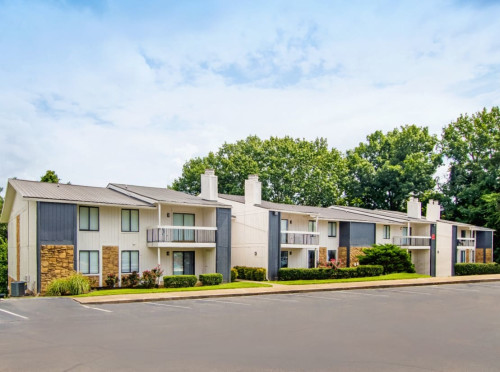
Project Transition cares for adults 18 to 65 with mental health conditions, including those with co-occurring disorders like substance use, intellectual development disorders, or physical health conditions. Their Tennessee locations offer residential or day treatment in apartments. The Nashville location operates at Haven Apartments, formerly known as Woodbridge Apartments.
What sets Project Transition apart is their emphasis on therapeutic community in the mental health space. Project Transition specifically uses the term "members" instead of "clients" or "patients" for people receiving treatment, as they want participants to feel like part of a community and achieve meaningful, community-integrated lives. Members participate in an apartment complex community, promoting reintegration into the broader community. This model aims to stigma and encourages normalized social expectations.
Treatment Options
Project Transition uses dialectical behavior therapy (DBT) with an individualized, strength-based emphasis in their residential mental health programs. With a dedicated team of about 30 people, including certified peer and recover specialists, providing daily support, they employ evidence-based therapeutic interventions tailored to each member's goals. The staff attend to members from 7 a.m. to 9 p.m., and members can contact them after hours if they need emergency support.
During the day, Project Transition staff run skills workshops, medication management, therapies, group meetings, and more. Their individual sessions, psychiatry appointments, and group therapy run twice a week. The rest of the week includes community meetings, skills workshops, goal planning, and Alcoholics Anonymous (AA) meetings or Narcotics Anonymous (NA) meetings. An onsite driver can transport members from the apartment to off-site AA meetings, NA meetings, or medical appointments.
Additionally, Project Transition offers systems of support (SOS) for children and adults with behavioral health concerns that impact their community. They work with crisis teams and family support systems to decrease the need for hospitalizations and avoid crises.
Goals
Project Transition defines 13 criteria for members that they use to measure success:
- Continuity of engagement in the community
- Capably able to self-manage medications
- Participation in productive or meaningful activity
- Maintenance of financial support eligibility
- Effective management of personal health and wellness
- Enjoyment of personal relationships and community of support
- Self-managed recovery through engagement with planned recovery supports
- Self-managed and sustained sobriety
- Effective management of personal financial matters
- Successful use and maintenance of transportation resources
- Effective management of home safety and maintenance
- Effective use of technology
- Successful Graduations
Visitors
Family and friends can visit during the day as long as housemates agree. Visitors can't stay overnight.
Packing List
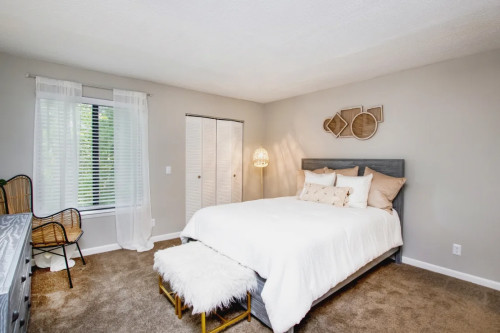
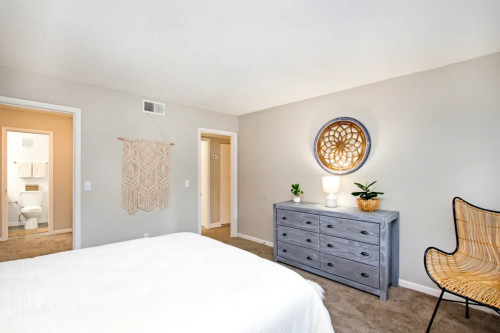
Project Transitions uses partially unfurnished apartments. Members can bring these:
- Twin sheet set, twin mattress cover, pillow, blanket and/or comforter
- Towels and washcloth
- Soap
- Shampoo
- Alcohol-free mouthwash
- Other toiletries
- A week's worth of laundry
- Laundry detergent
- Alarm clock
- Plastic hangers
- Currently prescribed medications, in original packaging
- Cell phone
- Bicycle

Center Overview
Treatment Focus
This center treats mental health conditions and co-occurring substance use. You receive collaborative, individualized treatment that addresses both issues for whole-person healing.

Insurance Accepted

Cash Pay Rates
Estimated Cash Pay Rate
Center pricing can vary based on program and length of stay. Contact the center for more information. Recovery.com strives for price transparency so you can make an informed decision.
Levels of Care


Your Care Options
Specializations
Anxiety
Anxiety is a common mental health condition that can include excessive worry, panic attacks, physical tension, and increased blood pressure.
Depression
Symptoms of depression may include fatigue, a sense of numbness, and loss of interest in activities. This condition can range from mild to severe.
Midlife Adults
For adults ages 40+, treatment shifts to focus on the unique challenges, blocks, and risk factors of their age group, and unites peers in a similar community.
Therapeutic Community
Therapeutic communities allow patients to contribute to the success and progress of their community, through healthy behaviors or even basic chores.
Who We Treat
Men and Women
Men and women attend treatment for addiction in a co-ed setting, going to therapy groups together to share experiences, struggles, and successes.
Midlife Adults
For adults ages 40+, treatment shifts to focus on the unique challenges, blocks, and risk factors of their age group, and unites peers in a similar community.
Mild Disabilities
Adults with mild physical or intellectual disabilities receive treatment catered to their specific needs in a safe and clinically supportive environment.
Approaches
Evidence-Based
A combination of scientifically rooted therapies and treatments make up evidence-based care, defined by their measured and proven results.
Individual Treatment
Individual care meets the needs of each patient, using personalized treatment to provide them the most relevant care and greatest chance of success.
Personalized Treatment
The specific needs, histories, and conditions of individual patients receive personalized, highly relevant care throughout their recovery journey.
Therapeutic Community
Therapeutic communities allow patients to contribute to the success and progress of their community, through healthy behaviors or even basic chores.
Therapies
1-on-1 Counseling
Patient and therapist meet 1-on-1 to work through difficult emotions and behavioral challenges in a personal, private setting.
Family Therapy
Family therapy addresses group dynamics within a family system, with a focus on improving communication and interrupting unhealthy relationship patterns.
Life Skills
Teaching life skills like cooking, cleaning, clear communication, and even basic math provides a strong foundation for continued recovery.
Nutrition Counseling
Nutritious food helps patients heal from within, setting them up for mental and bodily wellness as they learn about healthy eating.
Yoga
Yoga is both a physical and spiritual practice. It includes a flow of movement, breathing techniques, and meditation.
Languages
Conditions We Treat
Anxiety
Anxiety is a common mental health condition that can include excessive worry, panic attacks, physical tension, and increased blood pressure.
Bipolar
This mental health condition is characterized by extreme mood swings between depression, mania, and remission.
Depression
Symptoms of depression may include fatigue, a sense of numbness, and loss of interest in activities. This condition can range from mild to severe.
Eating Disorders
An eating disorder is a long-term pattern of unhealthy behavior relating to food. Most people with eating disorders have a distorted self-image.
Personality Disorders
Personality disorders destabilize the way a person thinks, feels, and behaves. If untreated, they can undermine relationships and lead to severe distress.
Post Traumatic Stress Disorder
PTSD is a long-term mental health issue caused by a disturbing event or events. Symptoms include anxiety, dissociation, flashbacks, and intrusive thoughts.
Schizophrenia
Schizophrenia is a serious mental health condition that causes hallucinations, delusions, and disordered thinking.
Trauma
Some traumatic events are so disturbing that they cause long-term mental health problems. Those ongoing issues can also be referred to as "trauma."
Substances We Treat
Co-Occurring Disorders
A person with multiple mental health diagnoses, such as addiction and depression, has co-occurring disorders also called dual diagnosis.
Aftercare
Care Designed for Your Needs
Personal Amenities
Amenities
Activities
Yoga
Yoga is both a physical and spiritual practice. It includes a flow of movement, breathing techniques, and meditation.