- Addiction
- Mental Health
- About Us
Find Treatment By
Rehabs by Location


Find Treatment By
Learn
About Us
Recovery.com combines independent research with expert guidance on addiction and mental health treatment. Our mission is to help everyone find the best path to recovery through the most comprehensive, helpful network of treatment providers worldwide.
Advisory Council
Our advisory council brings together leaders in behavioral health, technology, and business. Their diverse expertise ensures our resources and product are innovative, evidence-based, and effective. They guide our mission as accomplished individuals dedicated to improving the landscape of addiction recovery and mental wellness.




Prospect Hill Recovery and Wellness
Verified Center
This provider's information has been quality-checked by Recovery.com's Research Team for accuracy and completeness, including center verification through appropriate third-party organizations.
Treatment Focus
This center treats substance use disorders and mental health conditions. You'll receive individualized care catered to your unique situation and diagnosis, learn practical skills for recovery, and make new connections in a restorative environment.
Primary Level of Care
Offering intensive care with 24/7 monitoring, residential treatment is typically 30 days and can cover multiple levels of care. Length can range from 14 to 90 days typically.
Treatment Focus
This center treats substance use disorders and mental health conditions. You'll receive individualized care catered to your unique situation and diagnosis, learn practical skills for recovery, and make new connections in a restorative environment.
Primary Level of Care
Offering intensive care with 24/7 monitoring, residential treatment is typically 30 days and can cover multiple levels of care. Length can range from 14 to 90 days typically.
Private Pay
You pay directly for treatment out of pocket. This approach can offer enhanced privacy and flexibility, without involving insurance. Exact costs vary based on program and length of stay. Contact the center for specific details.
Prospect Hill Recovery and Wellness
Prospect Hill Recovery and Wellness
About Prospect Hill Recovery and Wellness
Prospect Hill Recovery provides all-inclusive care for primary mental health, addiction, and co-occurring conditions, including complex and hard-to-treat cases. They take a unique 4-tier approach, focusing on medical, clinical, nutritional, and wellness services for comprehensive healing. Accepting only 7 clients at a time, their staff are able to provide highly individual attention while offering an array of evidence-based and holistic therapies to address the client’s primary concern and its underlying causes. The recommended treatment duration is 30+ days, however, for Executive programs, shorter stays of 2+ weeks may be offered depending on the individual circumstance.
Concierge Treatment for Mental Health and Addiction
Their experienced team includes psychologists, clinicians, a psychiatrist, doctoral-level therapists and group facilitators, a massage therapist and wellness director, and an executive chef. Clients receive an initial in-depth assessment that includes lab work, medical history, a neuropsychological evaluation, a psychiatric assessment, and a nutritional assessment. Staff collaborate and form tailored care plans for each client, continuously monitoring progress and making necessary changes. Prospect Hill Recovery treats primary mental health and co-occurring conditions for a more comprehensive experience, including depression, anxiety, executive burnout, and post-traumatic stress disorder (PTSD).
Elevated Evidence-Based and Holistic Care
Prospect Hill Recovery provides trauma-informed care and evidence-based therapies, including cognitive behavioral therapy (CBT), eye movement desensitization and reprocessing (EMDR), hypnotherapy, and family therapy. Clients attend 6 hours of weekly 1:1 counseling sessions, and group therapies include peer support groups. Prospect Hill Recovery’s holistic treatments include yoga, mindfulness and meditation, expressive arts, and breathwork. Clients receive advanced nutritional services with IV therapy available multiple times weekly to restore depleted vitamins, reduce cravings, and promote overall health. Restorative wellness services include massages, yoga, spa treatments, and time spent in nature. Prospect Hill Recovery’s aftercare plans include online or in-person peer support groups and helping clients connect with local resources to set up continuing support.
Luxurious Amenities and Ocean Views
Prospect Hill Recovery’s island home is a comfortable, structured environment surrounded by an endless expanse of natural beauty. Clients enjoy private bedrooms, flexible technology policies, 24/7 concierge cleaning staff, an outdoor pool and hottub, spa, and a court for tennis, pickleball, and basketball, with private tennis lessons available. Personal meal plans with chef-prepared meals cater to nutritional health, with on-site fitness available, too. Surf lessons, scuba diving, snorkeling, and beach and hiking excursions are also available. As St. Croix is a U.S. territory, clients don’t need a passport to access treatment.
Insurance
Prospect Hill Recovery is able to accommodate U.S. veterans with VA coverage as well as clients seeking other means of post-care reimbursement.

Highlights from the Center
Highlights
These highlights are provided by and paid for by the center.
1-on-1 Counseling
Concierge Approach
Utmost Confidentiality
Executive Treatment
Center Overview
Treatment Focus
This center treats substance use disorders and mental health conditions. You'll receive individualized care catered to your unique situation and diagnosis, learn practical skills for recovery, and make new connections in a restorative environment.
Joint Commission Accredited
The Joint Commission accreditation is a voluntary, objective process that evaluates and accredits healthcare organizations (like treatment centers) based on performance standards designed to improve quality and safety for patients. To be accredited means the treatment center has been found to meet the Commission's standards for quality and safety in patient care.

Pricing and Program Length
Estimated Center Costs
The cost listed here ($75,000 USD / month), is an estimate of program cost. Center price can vary based on program and length of stay. Contact the center for more information. Recovery.com strives for price transparency so you can make an informed decision.
Luxury rehab centers offer a unique blend of luxurious amenities and high-quality treatment. From private suites to gourmet dining, personal trainers to spa treatments, these facilities provide a high level of comfort and discretion.
Top 50 Rehabs in the World
Meet Your Care Team

Dr. Lindsy Wagner
Executive Clinical Director

Sheryl Serano Griffith
Lead Clinician

Dr. Sophia Parilla
Individual and Group Therapist and Intake Specialist

Dr. Arlene Garcia
Lead Clinician

Dr. Rita Dudley Grant
Clinical Community Outreach Coordinator

Dr. Ellie DelGiacco
Medical Director

Dr. Ken Sonnenschein
Psychiatrist

Corey Mills
Wellness Director

Ken Biggs
Executive Chef

Wendy Keeler
Recovery Services Manager

Michael DelGiacco
Operations Director

Bianca Miliner
Associate Executive Director
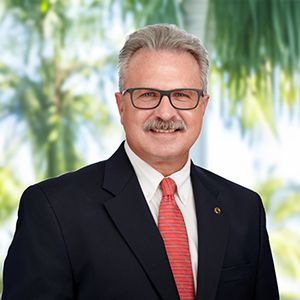
Terry Shapiro
EVP, Client and Family Services


Levels of Care


Your Care Options
Specializations
Anxiety
Anxiety is a common mental health condition that can include excessive worry, panic attacks, physical tension, and increased blood pressure.
Depression
Symptoms of depression may include fatigue, a sense of numbness, and loss of interest in activities. This condition can range from mild to severe.
Licensed Primary Mental Health
Some primary care providers offer mental health diagnosis and treatment. This can prevent patients from developing more serious conditions.
Drug Addiction
Drug addiction is the excessive and repetitive use of substances, despite harmful consequences to a person's life, health, and relationships.
Executives
Executive treatment programs typically directly support the needs of people who manage businesses and may provide flexible schedules and office space to allow work during treatment.
Trauma
Some traumatic events are so disturbing that they cause long-term mental health problems. Those ongoing issues can also be referred to as "trauma."
Burnout
Burnout entails mental and physical exhaustion, and leads to a severe lack of fulfillment. This condition is often caused by overwork.
Alcohol
Using alcohol as a coping mechanism, or drinking excessively throughout the week, signals an alcohol use disorder.
Who We Treat
Executives
Executive treatment programs typically directly support the needs of people who manage businesses and may provide flexible schedules and office space to allow work during treatment.
LGBTQ+
Addiction and mental illnesses in the LGBTQ+ community must be treated with an affirming, safe, and relevant approach, which many centers provide.
Men and Women
Men and women attend treatment for addiction in a co-ed setting, going to therapy groups together to share experiences, struggles, and successes.
Midlife Adults
For adults ages 40+, treatment shifts to focus on the unique challenges, blocks, and risk factors of their age group, and unites peers in a similar community.
Mild Disabilities
Adults with mild physical or intellectual disabilities receive treatment catered to their specific needs in a safe and clinically supportive environment.
Professionals
Busy, high-ranking professionals get the personalized treatment they need with greater accommodations for work, privacy, and outside communication.
Veterans
Patients who completed active military duty receive specialized treatment focused on trauma, grief, loss, and finding a new work-life balance.
Approaches
Personalized Treatment
The specific needs, histories, and conditions of individual patients receive personalized, highly relevant care throughout their recovery journey.
Wellness
Wellness philosophies focus on the physical, mental, and spiritual wellness of each patient, helping them restore purpose with natural remedies.
Therapies
Adventure Therapy
This experiential approach uses the physical and emotional challenges of outdoor activities as tools for personal growth.
Animal Therapy
Animals can inspire trust and self-worth. In this experiential therapy, guided interactions are used to improve social skills and emotion regulation.
Art Therapy
Visual art invites patients to examine the emotions within their work, focusing on the process of creativity and its gentle therapeutic power.
Equine Therapy
Guided interactions with trained horses, their handler, and a therapist can help patients improve their self-esteem, trust, empathy, and social skills.
Expressive Arts
Creative processes like art, writing, or dance use inner creative desires to help boost confidence, emotional growth, and initiate change.
Languages
Conditions We Treat
Anxiety
Anxiety is a common mental health condition that can include excessive worry, panic attacks, physical tension, and increased blood pressure.
Burnout
Burnout entails mental and physical exhaustion, and leads to a severe lack of fulfillment. This condition is often caused by overwork.
Depression
Symptoms of depression may include fatigue, a sense of numbness, and loss of interest in activities. This condition can range from mild to severe.
Gambling
Excessive, repetitive gambling causes financial and interpersonal problems. This addiction can interfere with work, friendships, and familial relationships.
Internet Addiction
Internet addiction is common among children teens. This compulsive disorder can damage relationships, school performance, sleep habits, and physical health.
Pornography Addiction
A person with a porn addiction is emotionally dependent on pornography to the point that it interferes with their daily life and relationships.
Post Traumatic Stress Disorder
PTSD is a long-term mental health issue caused by a disturbing event or events. Symptoms include anxiety, dissociation, flashbacks, and intrusive thoughts.
Sex Addiction
Compulsively seeking out sex can easily become a problem. This addiction is detrimental to relationships, physical health, and self-esteem.
Shopping Addiction
Excessive shopping and spending also known as compulsive buying disorder makes life unsustainable. It puts a strain on finances, relationships, and emotional well-being.
Substances We Treat
Alcohol
Using alcohol as a coping mechanism, or drinking excessively throughout the week, signals an alcohol use disorder.
Benzodiazepines
Benzodiazepines are prescribed to treat anxiety and sleep issues. They are highly habit forming, and their abuse can cause mood changes and poor judgement.
Chronic Relapse
Consistent relapse occurs repeatedly, after partial recovery from addiction. This condition requires long-term treatment.
Co-Occurring Disorders
A person with multiple mental health diagnoses, such as addiction and depression, has co-occurring disorders also called dual diagnosis.
Cocaine
Cocaine is a stimulant with euphoric effects. Agitation, muscle ticks, psychosis, and heart issues are common symptoms of cocaine abuse.
Drug Addiction
Drug addiction is the excessive and repetitive use of substances, despite harmful consequences to a person's life, health, and relationships.
Ecstasy
Ecstasy is a stimulant that causes intense euphoria and heightened awareness. Abuse of this drug can trigger depression, insomnia, and memory problems.
Heroin
Heroin is a highly addictive and illegal opioid. It can cause insomnia, collapsed veins, heart issues, and additional mental health issues.
Aftercare
Care Designed for Your Needs
Personal Amenities
Amenities
Special Considerations
Healthy Meals are provided
Great food meets great treatment, with providers serving healthy meals to restore nutrition, wellbeing, and health.
Pet Friendly
For greater comfort and healing, pet-friendly treatment centers welcome dogs and animal companions to stay with their owners while they attend treatment.
Clients can bring their own pet(s)
For greater comfort and healing, pet-friendly treatment centers welcome dogs and animal companions to stay with their owners while they attend treatment.
Family Member Stays
Treatment providers welcome family members to stay on-site to better the experience and success of patients and their families as a whole.
Activities
Yoga
Yoga is both a physical and spiritual practice. It includes a flow of movement, breathing techniques, and meditation.