- Addiction
- Mental Health
- About Us
Find Treatment By
Rehabs by Location


Find Treatment By
Learn
About Us
Recovery.com combines independent research with expert guidance on addiction and mental health treatment. Our mission is to help everyone find the best path to recovery through the most comprehensive, helpful network of treatment providers worldwide.
Advisory Council
Our advisory council brings together leaders in behavioral health, technology, and business. Their diverse expertise ensures our resources and product are innovative, evidence-based, and effective. They guide our mission as accomplished individuals dedicated to improving the landscape of addiction recovery and mental wellness.
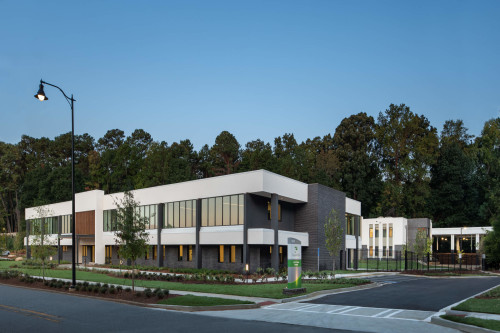
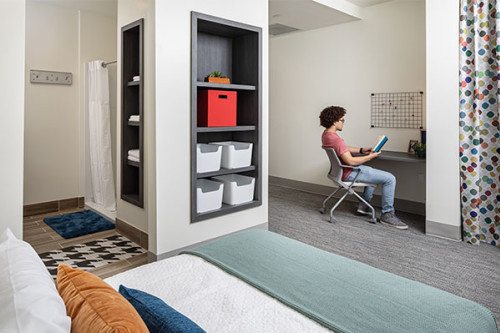


Skyland Trail J. Rex Fuqua Campus
Treatment Focus
This center treats mental health conditions and co-occurring substance use. You receive collaborative, individualized treatment that addresses both issues for whole-person healing.
Primary Level of Care
Offering intensive care with 24/7 monitoring, residential treatment is typically 30 days and can cover multiple levels of care. Length can range from 14 to 90 days typically.
This provider hasn't verified their profile's information. Are you the owner of this center? Claim your listing to better manage your presence on Recovery.com.
Treatment Focus
This center treats mental health conditions and co-occurring substance use. You receive collaborative, individualized treatment that addresses both issues for whole-person healing.
Primary Level of Care
Offering intensive care with 24/7 monitoring, residential treatment is typically 30 days and can cover multiple levels of care. Length can range from 14 to 90 days typically.
Provider's Policy
Skyland Trail is in-network with many major private insurance plans. Many client families use a combination of insurance, private pay, and financial aid awards (if eligible) to cover the costs of treatment.
Skyland Trail J. Rex Fuqua Campus
Skyland Trail J. Rex Fuqua Campus
About Skyland Trail J. Rex Fuqua Campus
Located in Atlanta, Georgia, Skyland Trail J. Rex Fuqua Campus for adolescents ages 14-17 is part of a nationally recognized nonprofit mental health treatment organization. Skyland Trail treats each client as an individual and creates evidence-based, tailored treatment plans that include a holistic approach to care. In a classroom setting, they educate their clients about their mental illness and teach strategies that can be used to prevent relapse and cope with stress. Located 13 miles northeast of downtown Atlanta, Skyland J. Rex Fuqua Campus offers residential treatment to teens throughout the Atlanta area. Skyland Trail is in-network with most major private insurance plans and offers financial aid to reduce private pay costs for eligible families.
Amenities and Treatment
Residential clients at Skyland Trail J. Rex Fuqua Campus, clients enjoy private rooms and bathrooms. The campus features indoor comfortable dining and lounge areas, naturally lit common spaces, an area dedicated to school work, gardens, and outdoor recreation areas. Licensed nurses and residential staff are on site 24 hours a day. Clients in both residential and day treatment programs participate in school work either in cooperation with their existing school or through ADVANTAGES Digital Learning Solutions, with 2.5 hours dedicated to academic support each day.
Each week includes individual sessions with a psychiatrist and therapist, group therapy, skills practice, peer support, personal fitness and sports, yoga, and expressive therapies like art and music. Clients and their families participate in required family therapy weekly via video, with an additional family program focusing on psychoeducation and support for caretakers. Cognitive behavioral therapy (CBT) and dialectical behavioral therapy (DBT) tracks help clients with a variety of concerns including anxiety, low self-esteem, anger, and self-harm. Clients participate in additional groups based on Ecological Systems Theory and substance use. Individualized treatment also includes psychological testing and may include trauma-specific prolonged exposure (PE) therapy. Clients typically stay 8-12 weeks before stepping down to day treatment.
Day treatment typically lasts 4-6 weeks, with clients arriving between 8:15 AM and 8:45 AM Monday through Friday and leaving at 3 PM. Clients are not allowed to drive themselves to treatment. Typically, this is a continuation of care from residential treatment, but clients can admit directly to this program when appropriate. Treatment usually lasts an additional 4 weeks for clients who admit directly to day treatment.

Center Overview
Treatment Focus
This center treats mental health conditions and co-occurring substance use. You receive collaborative, individualized treatment that addresses both issues for whole-person healing.
Joint Commission Accredited
The Joint Commission accreditation is a voluntary, objective process that evaluates and accredits healthcare organizations (like treatment centers) based on performance standards designed to improve quality and safety for patients. To be accredited means the treatment center has been found to meet the Commission's standards for quality and safety in patient care.
Insurance Accepted






Cash Pay Rates
Estimated Cash Pay Rate
Center pricing can vary based on program and length of stay. Contact the center for more information. Recovery.com strives for price transparency so you can make an informed decision.
Levels of Care


Your Care Options
Specializations
Adolescents
Teens receive the treatment they need for mental health disorders and addiction, with the added support of educational and vocational services.
Anxiety
Anxiety is a common mental health condition that can include excessive worry, panic attacks, physical tension, and increased blood pressure.
Bipolar
This mental health condition is characterized by extreme mood swings between depression, mania, and remission.
Co-Occurring Disorders
A person with multiple mental health diagnoses, such as addiction and depression, has co-occurring disorders also called dual diagnosis.
Depression
Symptoms of depression may include fatigue, a sense of numbness, and loss of interest in activities. This condition can range from mild to severe.
Who We Treat
Adolescents
Teens receive the treatment they need for mental health disorders and addiction, with the added support of educational and vocational services.
Approaches
Evidence-Based
A combination of scientifically rooted therapies and treatments make up evidence-based care, defined by their measured and proven results.
Family Involvement
Providers involve family in the treatment of their loved one through family therapy, visits, or both–because addiction is a family disease.
Holistic
A non-medicinal, wellness-focused approach that aims to align the mind, body, and spirit for deep and lasting healing.
Individual Treatment
Individual care meets the needs of each patient, using personalized treatment to provide them the most relevant care and greatest chance of success.
Therapies
1-on-1 Counseling
Patient and therapist meet 1-on-1 to work through difficult emotions and behavioral challenges in a personal, private setting.
Art Therapy
Visual art invites patients to examine the emotions within their work, focusing on the process of creativity and its gentle therapeutic power.
Expressive Arts
Creative processes like art, writing, or dance use inner creative desires to help boost confidence, emotional growth, and initiate change.
Family Therapy
Family therapy addresses group dynamics within a family system, with a focus on improving communication and interrupting unhealthy relationship patterns.
Horticultural Therapy
Gardening can be both meditative and inspiring. This therapy encourages social, emotional, and physical recovery.
Life Skills
Teaching life skills like cooking, cleaning, clear communication, and even basic math provides a strong foundation for continued recovery.
Languages
Conditions We Treat
Anger
Although anger itself isn't a disorder, it can get out of hand. If this feeling interferes with your relationships and daily functioning, treatment can help.
Anxiety
Anxiety is a common mental health condition that can include excessive worry, panic attacks, physical tension, and increased blood pressure.
Bipolar
This mental health condition is characterized by extreme mood swings between depression, mania, and remission.
Depression
Symptoms of depression may include fatigue, a sense of numbness, and loss of interest in activities. This condition can range from mild to severe.
Personality Disorders
Personality disorders destabilize the way a person thinks, feels, and behaves. If untreated, they can undermine relationships and lead to severe distress.
Post Traumatic Stress Disorder
PTSD is a long-term mental health issue caused by a disturbing event or events. Symptoms include anxiety, dissociation, flashbacks, and intrusive thoughts.
Self-Harm
The act of intentionally harming oneself, also called self-injury, is associated with mental health issues like depression.
Trauma
Some traumatic events are so disturbing that they cause long-term mental health problems. Those ongoing issues can also be referred to as "trauma."
Substances We Treat
Alcohol
Using alcohol as a coping mechanism, or drinking excessively throughout the week, signals an alcohol use disorder.
Co-Occurring Disorders
A person with multiple mental health diagnoses, such as addiction and depression, has co-occurring disorders also called dual diagnosis.
Drug Addiction
Drug addiction is the excessive and repetitive use of substances, despite harmful consequences to a person's life, health, and relationships.