- Addiction
- Mental Health
- About Us
Find Treatment By
Rehabs by Location


Find Treatment By
Learn
About Us
Recovery.com combines independent research with expert guidance on addiction and mental health treatment. Our mission is to help everyone find the best path to recovery through the most comprehensive, helpful network of treatment providers worldwide.
Advisory Council
Our advisory council brings together leaders in behavioral health, technology, and business. Their diverse expertise ensures our resources and product are innovative, evidence-based, and effective. They guide our mission as accomplished individuals dedicated to improving the landscape of addiction recovery and mental wellness.
The Emily Program Cleveland
Treatment Focus
You can get treatment for eating disorders at this center, helping you navigate symptoms, build coping tools, and restore your physical health under expert care.
Primary Level of Care
Offering intensive care with 24/7 monitoring, residential treatment is typically 30 days and can cover multiple levels of care. Length can range from 14 to 90 days typically.
Claimed
Recovery.com has connected directly with this treatment provider to validate the information in their profile.
Treatment Focus
You can get treatment for eating disorders at this center, helping you navigate symptoms, build coping tools, and restore your physical health under expert care.
Primary Level of Care
Offering intensive care with 24/7 monitoring, residential treatment is typically 30 days and can cover multiple levels of care. Length can range from 14 to 90 days typically.
Provider's Policy
The Emily Program works with many insurance plans. To simplify this process and to make sure you understand the services your insurance will cover, they’ve developed tools and information to help you.
The Emily Program Cleveland
The Emily Program Cleveland
About The Emily Program Cleveland
A National Leader in Eating Disorder Treatment
The Emily Program offers specialty treatment for eating disorders dedicated to giving all people access to best-practice care and the tools they need for lasting recovery. The Emily Program offers all levels of care, from 24/7 residential care through outpatient services across multiple states. In-person and virtual treatment options are available. Multidisciplinary treatment teams aim to equip individuals, families, and communities with the skills necessary to continue recovery in the home environment.
Positive Treatment Approach
The Emily Program endorses the inclusiveness of all foods and values the absence of food judgment. They combine evidence-based treatment with personalized integrative interventions. The Emily Program understands that effective eating disorder treatment requires awareness of the genetic, biological, psychological, social, and cultural impacts on each client. They respond to the whole person, utilizing a multidisciplinary team of experts such as therapists, dietitians, and medical staff. Their programs are designed by people with a deep understanding of eating disorders, and their care decisions are based on respect for each person and their personal journey.
A Full Continuum of Care
The journey to recovery is different for each client, and The Emily Program adapts their programs to fit age, current physical and mental health concerns, and treatment needs. The Emily Program offers all levels of care, including outpatient treatment, intensive treatment (PHP/IOP), and 24/7 residential treatment facilities for adolescents, young adults, and adults. In-person and virtual treatment options are available in most locations. Residential treatment allows clients to focus on recovery in a safe, supportive, and home-like environment with around-the-clock supervision and care. Intensive treatment (PHP/IOP) provides greater structure and support than non-intensive outpatient treatment, but with more independence than 24/7 care. Outpatient treatment provides a supportive environment to help ensure continued recovery. For individuals in intensive programming, they also offer lodging accommodations near the treatment center.
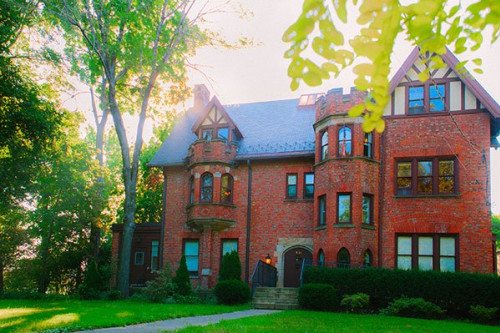
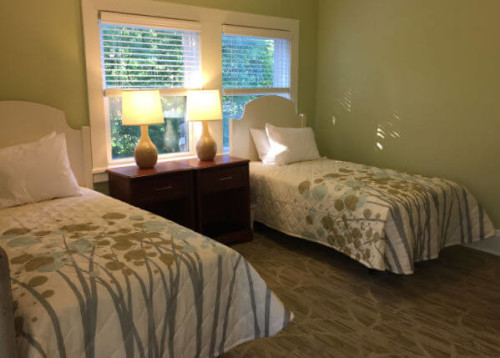
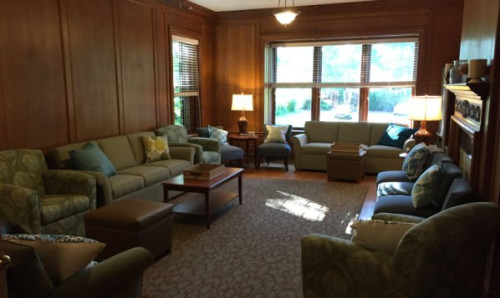
The Emily Program is located in a quiet neighborhood of Cleveland Heights, Ohio. Their 16-bed home is a restored historic mansion. The accommodations are elegant and up-scale with beautiful furnishings. Clients can enjoy spacious common areas, WiFi, healthy meals, and laundry facilities. The Emily Program Cleveland is accredited by CARF and accepts most private insurance.
Center Overview
Treatment Focus
You can get treatment for eating disorders at this center, helping you navigate symptoms, build coping tools, and restore your physical health under expert care.
CARF Accredited
CARF stands for the Commission on Accreditation of Rehabilitation Facilities. It's an independent, non-profit organization that provides accreditation services for a variety of healthcare services. To be accredited means that the program meets their standards for quality, effectiveness, and person-centered care.

Insurance Accepted






Cash Pay Rates
Estimated Cash Pay Rate
Center pricing can vary based on program and length of stay. Contact the center for more information. Recovery.com strives for price transparency so you can make an informed decision.
Levels of Care


Your Care Options
Specializations
Eating Disorders
An eating disorder is a long-term pattern of unhealthy behavior relating to food. Most people with eating disorders have a distorted self-image.
Who We Treat
LGBTQ+
Addiction and mental illnesses in the LGBTQ+ community must be treated with an affirming, safe, and relevant approach, which many centers provide.
Approaches
Evidence-Based
A combination of scientifically rooted therapies and treatments make up evidence-based care, defined by their measured and proven results.
Holistic
A non-medicinal, wellness-focused approach that aims to align the mind, body, and spirit for deep and lasting healing.
Therapies
1-on-1 Counseling
Patient and therapist meet 1-on-1 to work through difficult emotions and behavioral challenges in a personal, private setting.
Couples Counseling
Partners work to improve their communication patterns, using advice from their therapist to better their relationship and make healthy changes.
Family Therapy
Family therapy addresses group dynamics within a family system, with a focus on improving communication and interrupting unhealthy relationship patterns.
Meditation & Mindfulness
A practiced state of mind that brings patients to the present. It allows them to become fully aware of themselves, their feelings, and the present moment.
Nutrition Counseling
Nutritious food helps patients heal from within, setting them up for mental and bodily wellness as they learn about healthy eating.
Trauma-Specific Therapy
This form of talk therapy addresses any childhood trauma at the root of a patient's current diagnosis.
Languages
Conditions We Treat
Anxiety
Anxiety is a common mental health condition that can include excessive worry, panic attacks, physical tension, and increased blood pressure.
Codependency
Codependency is a pattern of emotional dependence and controlling behavior. It's most common among people with addicted loved ones.
Depression
Symptoms of depression may include fatigue, a sense of numbness, and loss of interest in activities. This condition can range from mild to severe.
Eating Disorders
An eating disorder is a long-term pattern of unhealthy behavior relating to food. Most people with eating disorders have a distorted self-image.
Trauma
Some traumatic events are so disturbing that they cause long-term mental health problems. Those ongoing issues can also be referred to as "trauma."
Substances We Treat
Alcohol
Using alcohol as a coping mechanism, or drinking excessively throughout the week, signals an alcohol use disorder.
Co-Occurring Disorders
A person with multiple mental health diagnoses, such as addiction and depression, has co-occurring disorders also called dual diagnosis.
Drug Addiction
Drug addiction is the excessive and repetitive use of substances, despite harmful consequences to a person's life, health, and relationships.
Care Designed for Your Needs
Personal Amenities
Amenities
Activities
Yoga
Yoga is both a physical and spiritual practice. It includes a flow of movement, breathing techniques, and meditation.