- Addiction
- Mental Health
- About Us
Find Treatment By
Rehabs by Location


Find Treatment By
Learn
About Us
Recovery.com combines independent research with expert guidance on addiction and mental health treatment. Our mission is to help everyone find the best path to recovery through the most comprehensive, helpful network of treatment providers worldwide.
Advisory Council
Our advisory council brings together leaders in behavioral health, technology, and business. Their diverse expertise ensures our resources and product are innovative, evidence-based, and effective. They guide our mission as accomplished individuals dedicated to improving the landscape of addiction recovery and mental wellness.



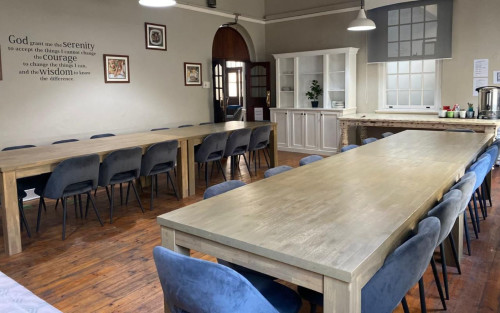
The Grange Treatment Centre
Treatment Focus
This center provides behavioral addiction treatment tailored to your unique concerns and symptoms, all in a supportive and compassionate environment.
Primary Level of Care
Offering intensive care with 24/7 monitoring, residential treatment is typically 30 days and can cover multiple levels of care. Length can range from 14 to 90 days typically.
Claimed
Recovery.com has connected directly with this treatment provider to validate the information in their profile.
Treatment Focus
This center provides behavioral addiction treatment tailored to your unique concerns and symptoms, all in a supportive and compassionate environment.
Primary Level of Care
Offering intensive care with 24/7 monitoring, residential treatment is typically 30 days and can cover multiple levels of care. Length can range from 14 to 90 days typically.
Private Pay
You pay directly for treatment out of pocket. This approach can offer enhanced privacy and flexibility, without involving insurance. Exact costs vary based on program and length of stay. Contact the center for specific details.
The Grange Treatment Centre
The Grange Treatment Centre
About The Grange Treatment Centre
At the Grange Adult Clinic in South Africa, adults aged 25 and over find help for both substance and behavioural addictions in a safe, supportive setting. Clients begin with a six-week residential programme designed to stabilise health and break harmful patterns, supported by a multidisciplinary team that includes psychiatrists, psychologists, doctors, therapists, and recovery assistants. Care doesn’t end after admission—clients can step down into a Safehouse, join aftercare, or continue with outpatient treatment in Breda or Weert.
Find Healthy Ways to Cope and Move Forward
At Grange, treatment goes beyond managing surface behaviours—it focuses on uncovering and healing the root causes of addiction and trauma. Through therapies such as cognitive behavioural therapy, schema therapy, psychoeducation, and system therapy, clients gain insight into the patterns that keep them stuck. With that awareness comes the power to change.
Restore Energy in Peaceful Surroundings
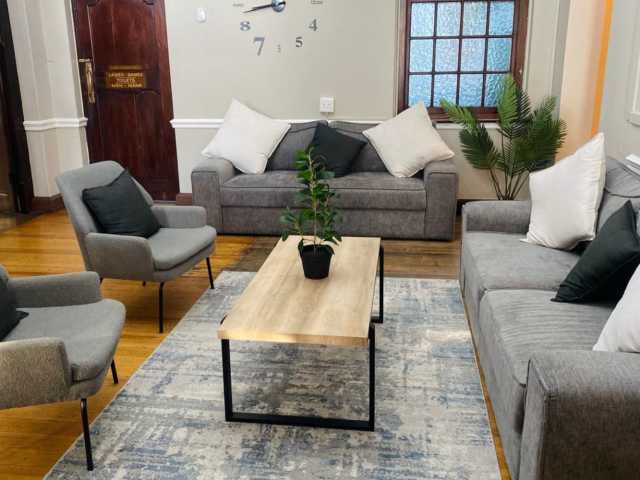
At the Grange Adult Clinic, comfort is part of the recovery process. Clients stay in spaces that are calm, private, and restorative so healing never feels clinical. Nutritious meals are prepared to nourish body and mind, and shared spaces encourage connection without pressure. With access to peaceful surroundings and supportive amenities, clients can focus fully on recovery while feeling safe and at ease.
Protect Recovery with Aftercare
At Grange, aftercare helps clients carry the tools, routines, and confidence they’ve built into everyday life. Ongoing therapy, check-ins, and community support provide a safety net, so clients don’t feel as though they’re doing it alone. Families are included too, so that healing can continue at home.
Highlights from the Center
Highlights
These highlights are provided by and paid for by the center.
Pool
12-Step Approach
Addiction Recovery
Center Overview
Treatment Focus
This center provides behavioral addiction treatment tailored to your unique concerns and symptoms, all in a supportive and compassionate environment.

Cash Pay Rates
Estimated Cash Pay Rate
Center pricing can vary based on program and length of stay. Contact the center for more information. Recovery.com strives for price transparency so you can make an informed decision.
Meet Your Care Team
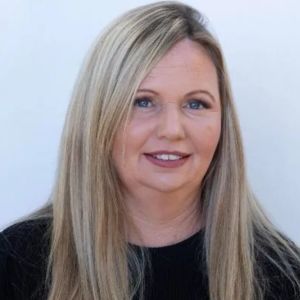
Charline
General Manager

Angela
Educational Psychologist

Blanché
Social Worker / After care
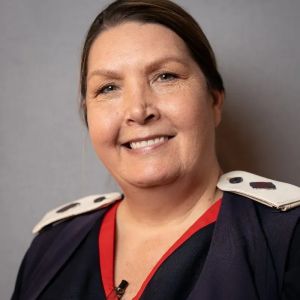
Charice
Nursing Manager
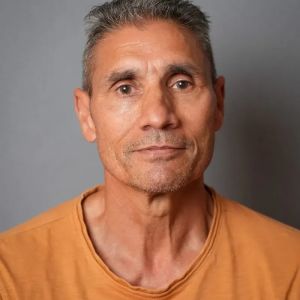
Daryl
Fitness Instructor

Diaan
Clinical Psychologist

Fezi
Housekeeper

Gcobani
Housekeeper

Jan
Maintenance

Johann
Yoga Instructor

John
Program Manager / Recovery Assistant Manager

Kim
House Manager

Latasha
Household
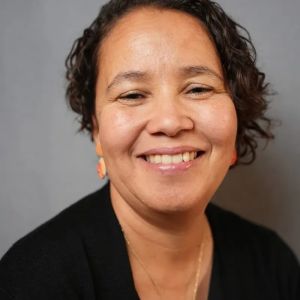
Lizelle
Social Worker / Client Liaison / After care
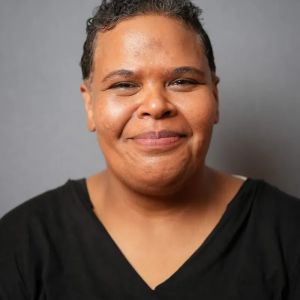
Abby
Housekeeper
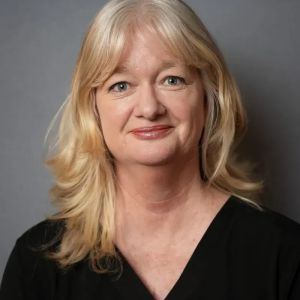
Michelle
Counselling Psychologist

Naas
Clinical Psychologist

Naeef
Recovery Assistant
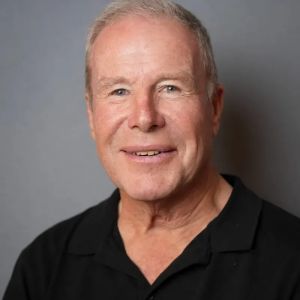
Neil
Driver

Pinki
Housekeeper

Shona
Occupational Therapist

Trafford
Recovery Assistant

Brent
Recovery Assistant

Kyle
Clinical Lead / Clinical Psychologist
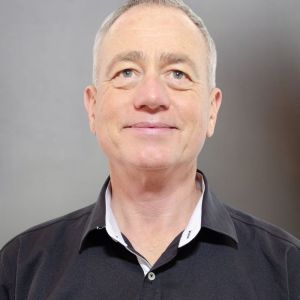
Dirk
Mindfulness Psychotherapist

Renier
Psychologist



Levels of Care


Your Care Options
Specializations
Alcohol
Using alcohol as a coping mechanism, or drinking excessively throughout the week, signals an alcohol use disorder.
Drug Addiction
Drug addiction is the excessive and repetitive use of substances, despite harmful consequences to a person's life, health, and relationships.
Eating Disorders
An eating disorder is a long-term pattern of unhealthy behavior relating to food. Most people with eating disorders have a distorted self-image.
Gambling
Excessive, repetitive gambling causes financial and interpersonal problems. This addiction can interfere with work, friendships, and familial relationships.
Sex Addiction
Compulsively seeking out sex can easily become a problem. This addiction is detrimental to relationships, physical health, and self-esteem.
Who We Treat
Older Adults
Addiction and mental health treatment caters to adults 55+ and the age-specific challenges that can come with recovery, wellness, and overall happiness.
Executives
Executive treatment programs typically directly support the needs of people who manage businesses and may provide flexible schedules and office space to allow work during treatment.
LGBTQ+
Addiction and mental illnesses in the LGBTQ+ community must be treated with an affirming, safe, and relevant approach, which many centers provide.
Men and Women
Men and women attend treatment for addiction in a co-ed setting, going to therapy groups together to share experiences, struggles, and successes.
Midlife Adults
For adults ages 40+, treatment shifts to focus on the unique challenges, blocks, and risk factors of their age group, and unites peers in a similar community.
Mild Disabilities
Adults with mild physical or intellectual disabilities receive treatment catered to their specific needs in a safe and clinically supportive environment.
Professionals
Busy, high-ranking professionals get the personalized treatment they need with greater accommodations for work, privacy, and outside communication.
Approaches
Evidence-Based
A combination of scientifically rooted therapies and treatments make up evidence-based care, defined by their measured and proven results.
Individual Treatment
Individual care meets the needs of each patient, using personalized treatment to provide them the most relevant care and greatest chance of success.
Minnesota Model
The Minnesota Model encourages abstinence and family-wide healing through the 12-Steps, group therapy, and individualized, psychological treatment.
Personalized Treatment
The specific needs, histories, and conditions of individual patients receive personalized, highly relevant care throughout their recovery journey.
Therapeutic Community
Therapeutic communities allow patients to contribute to the success and progress of their community, through healthy behaviors or even basic chores.
Twelve Step
Incorporating spirituality, community, and responsibility, 12-Step philosophies prioritize the guidance of a Higher Power and a continuation of 12-Step practices.
Therapies
1-on-1 Counseling
Patient and therapist meet 1-on-1 to work through difficult emotions and behavioral challenges in a personal, private setting.
Acceptance and Commitment Therapy (ACT)
This cognitive behavioral therapy teaches patients to accept challenging feelings and make the appropriate changes to reach personal goals.
Aromatherapy
Inhaling or topically applying essential oils can help relieve stress, soothe pains, and relieve emotional distress.
Art Therapy
Visual art invites patients to examine the emotions within their work, focusing on the process of creativity and its gentle therapeutic power.
Experiential Therapy
With this approach, patients heal by doing. Therapists help patients process difficult emotions to speak, using guided activities like art or dance.
Expressive Arts
Creative processes like art, writing, or dance use inner creative desires to help boost confidence, emotional growth, and initiate change.
Languages
Conditions We Treat
ADHD, ADD
ADHD is a common mental health condition caused by dopamine imbalance. Common symptoms include inattention, hyperactivitiy, and impulsivity.
Anger
Although anger itself isn't a disorder, it can get out of hand. If this feeling interferes with your relationships and daily functioning, treatment can help.
Anxiety
Anxiety is a common mental health condition that can include excessive worry, panic attacks, physical tension, and increased blood pressure.
Bipolar
This mental health condition is characterized by extreme mood swings between depression, mania, and remission.
Burnout
Burnout entails mental and physical exhaustion, and leads to a severe lack of fulfillment. This condition is often caused by overwork.
Chemsex
Also called Party 'n' Play (PnP), chemsex refers to using drugs, like methamphetamine, to enhance sexual activity.
Depression
Symptoms of depression may include fatigue, a sense of numbness, and loss of interest in activities. This condition can range from mild to severe.
Eating Disorders
An eating disorder is a long-term pattern of unhealthy behavior relating to food. Most people with eating disorders have a distorted self-image.
Gambling
Excessive, repetitive gambling causes financial and interpersonal problems. This addiction can interfere with work, friendships, and familial relationships.
Substances We Treat
Alcohol
Using alcohol as a coping mechanism, or drinking excessively throughout the week, signals an alcohol use disorder.
Benzodiazepines
Benzodiazepines are prescribed to treat anxiety and sleep issues. They are highly habit forming, and their abuse can cause mood changes and poor judgement.
Co-Occurring Disorders
A person with multiple mental health diagnoses, such as addiction and depression, has co-occurring disorders also called dual diagnosis.
Cocaine
Cocaine is a stimulant with euphoric effects. Agitation, muscle ticks, psychosis, and heart issues are common symptoms of cocaine abuse.
Drug Addiction
Drug addiction is the excessive and repetitive use of substances, despite harmful consequences to a person's life, health, and relationships.
Ecstasy
Ecstasy is a stimulant that causes intense euphoria and heightened awareness. Abuse of this drug can trigger depression, insomnia, and memory problems.
Heroin
Heroin is a highly addictive and illegal opioid. It can cause insomnia, collapsed veins, heart issues, and additional mental health issues.
Aftercare
Care Designed for Your Needs
Personal Amenities
Amenities
Special Considerations
Healthy Meals are provided
Great food meets great treatment, with providers serving healthy meals to restore nutrition, wellbeing, and health.
Activities
Yoga
Yoga is both a physical and spiritual practice. It includes a flow of movement, breathing techniques, and meditation.