- Addiction
- Mental Health
- About Us
Find Treatment By
Rehabs by Location


Find Treatment By
Learn
About Us
Recovery.com combines independent research with expert guidance on addiction and mental health treatment. Our mission is to help everyone find the best path to recovery through the most comprehensive, helpful network of treatment providers worldwide.
Advisory Council
Our advisory council brings together leaders in behavioral health, technology, and business. Their diverse expertise ensures our resources and product are innovative, evidence-based, and effective. They guide our mission as accomplished individuals dedicated to improving the landscape of addiction recovery and mental wellness.
Anger Issues Test: 10 Questions to Find Out If Emotions Are Interfering with Your Life

Caroline Beidler, MSW is an author, speaker, and the Managing Editor of Recovery.com. She writes about topics related to addiction, mental health, and trauma recovery, informed by her personal experience and professional expertise.
Caroline Beidler, MSW is an author, speaker, and the Managing Editor of Recovery.com. She writes about topics related to addiction, mental health, and trauma recovery, informed by her personal experience and professional expertise.
Table of Contents
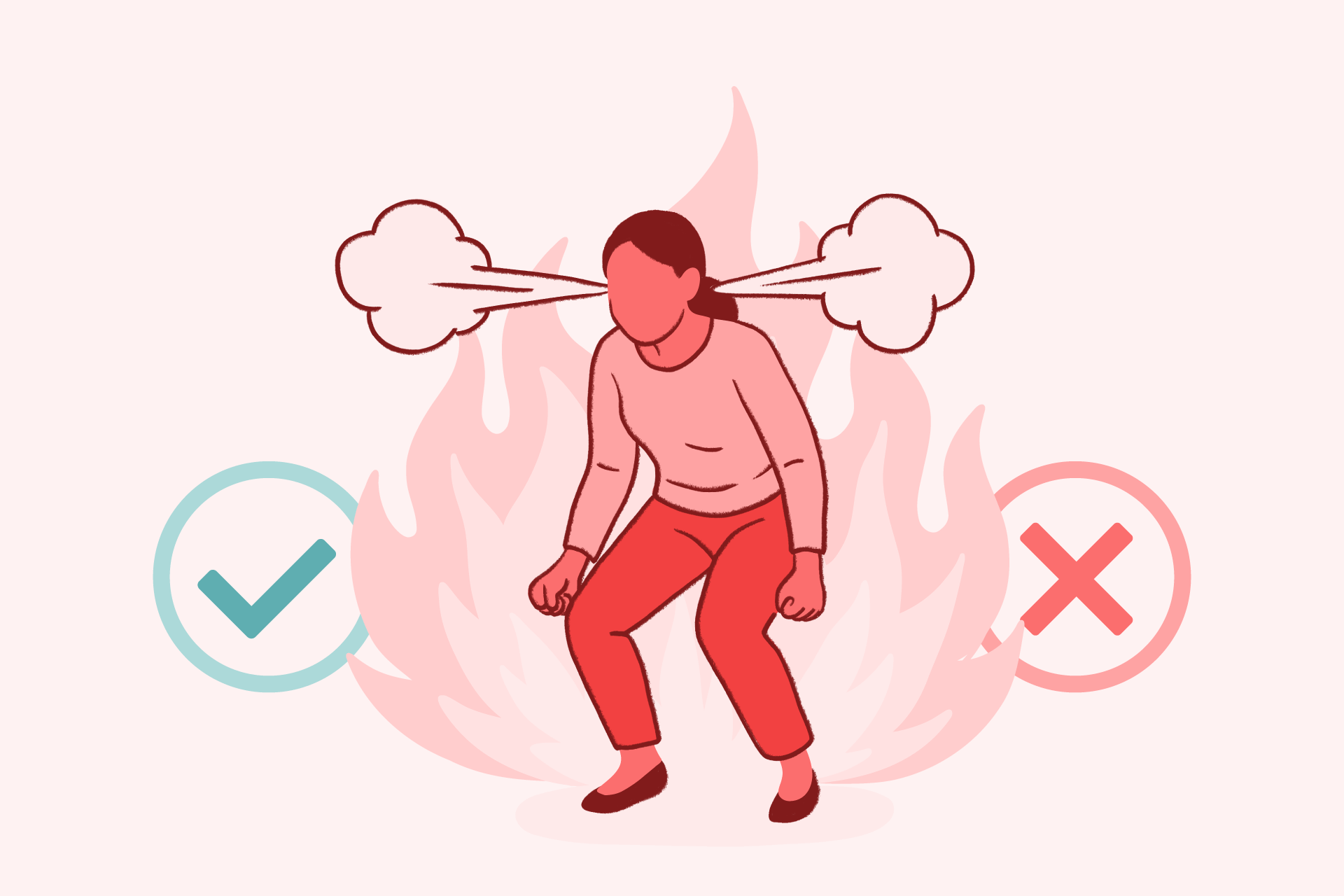
Do you find yourself snapping at loved ones, stewing in resentment, or feeling out of control when upset? You’re not alone.
Anger is a normal emotion, but when it becomes chronic, unpredictable, or intense, it may be a sign of deeper mental health conditions or emotional regulation issues.
An anger issues test can help you identify patterns, triggers, and the potential need for professional support.
Disclaimer: This anger self-assessment is not a diagnostic tool. It’s designed to help you reflect on your emotional responses. For a formal diagnosis or treatment plan, consult a mental health professional.
Why Take an Anger Self-Assessment?
Anger looks different for everyone. Some people explode outwardly. Others internalize it, resulting in passive-aggressive behavior, anxiety, or depression. Taking an anger test can bring clarity to these patterns and help you determine whether they are interfering with your well-being or daily life.
This questionnaire can help you:
- Identify triggers and patterns in your emotional responses
- Understand the types of anger you’re experiencing
- Recognize the impact of anger on relationships, work, and health
- Learn if professional anger management strategies may help
It’s not about labeling yourself—it’s about understanding yourself better and taking a step toward emotional regulation and peace.
Signs That Anger May Be a Problem
Even if you haven’t taken a formal anger test, certain signs may point to deeper issues with emotional regulation.
Common signs of chronic or problematic anger include:
- Frequent arguments with family, coworkers, or strangers
- Feeling irritable or on edge most of the time
- Trouble calming down after conflict
- Holding grudges or dwelling on past slights
- Passive-aggressive behavior (e.g., sarcasm, silent treatment)
- Physical symptoms like headaches, elevated blood pressure, or chest tightness
- Regret or guilt after losing your temper
These experiences may indicate more than just occasional frustration. Left unaddressed, unmanaged anger can negatively affect your physical health, mental well-being, and relationships.
Explore Anger Treatment Centers
Understanding Different Types of Anger
Not all anger looks the same. Understanding what type of anger you experience most often can guide effective treatment and coping strategies.
1. Chronic Anger
Long-lasting resentment or irritability that persists for weeks or months. It may not be tied to a specific event.
2. Passive-Aggressive Anger
Indirect expression of hostility—like sarcasm, sulking, or backhanded compliments.
3. Volatile or Explosive Anger
Sudden, intense outbursts of rage that may seem out of proportion to the situation. This is often seen in intermittent explosive disorder.
4. Self-Directed Anger
Anger turned inward. It can result in self-blame, negative self-talk, or even self-harm.
5. Justified or Moral Anger
Anger in response to injustice or mistreatment. While valid, it can still be harmful if expressed destructively.
When Is Anger a Mental Health Concern?
Anger itself isn’t a mental illness, but chronic, uncontrollable anger may signal or contribute to other mental health conditions, such as:
- Depression (especially when anger is turned inward)
- Bipolar disorder, particularly during manic episodes
- Anxiety disorders, where irritability is a common symptom
- Intermittent explosive disorder (IED), characterized by repeated episodes of impulsive aggression
- Post-traumatic stress disorder (PTSD), where anger can be a trauma response
If anger is disrupting your relationships, work, or self-esteem, it may be time to seek support.
How Anger Affects Physical Health
Chronic anger doesn’t just impact your mood. It can damage your physical health over time.
Unchecked anger is associated with:
- High blood pressure
- Increased risk of heart disease
- Digestive issues and ulcers
- Weakened immune response
- Increased cortisol (stress hormone) levels
These physiological changes can create a feedback loop, where physical discomfort further escalates emotional reactivity. Learning to regulate your anger can significantly improve your overall well-being.
What If Your Anger Test Score Is High?
If your results suggest significant anger issues, don’t panic. There are effective strategies and supports available. Consider these next steps:
- Talk to a mental health professional: A licensed therapist can help identify root causes and build a personalized treatment plan.
- Learn evidence-based anger management skills: Techniques like deep breathing, cognitive restructuring, and communication training are often part of anger management therapy.
- Join a support group: Whether in-person or online, support groups offer connection, insight, and accountability.
- Try online therapy or telehealth: Online therapy platforms can help you access help quickly and privately.
- Track your triggers: Keep a journal of situations that spark anger. This awareness is key to change.
Who Should Take an Anger Issues Test?
Consider taking this test if:
- You frequently regret how you react when angry
- Your relationships suffer due to how you express anger
- You experience physical symptoms during or after anger episodes
- You’ve been told by others that you “have anger issues”
- You’re unsure if your level of anger is normal or something more
Early recognition and intervention can help prevent long-term consequences.
You Are Not Alone
Taking an anger issues test is a brave step. It means you’re curious, self-aware, and open to growth. If your anger has been getting the best of you, it doesn’t have to stay that way.
Whether you’re dealing with explosive reactions, quiet resentment, or something in between, support is available. With the right tools and the right people in your corner, you can regain control, protect your well-being, and improve your most important relationships.
Resources and Next Steps
Explore these helpful Recovery.com resources:
- Anger Management Treatment Near You
- The Ultimate Guide to Finding Mental Health and Addiction Treatment
- How Do I Know if I Need Mental Health and Addiction Treatment?
- What Kind of Treatment Do I Need? Understanding Levels of Care for Addiction and Mental Health Treatment
External Resources
- American Psychological Association – Controlling Anger Before It Controls You
- National Institute of Mental Health – Mental Health Conditions
FAQs

Our Promise
How Is Recovery.com Different?
We believe everyone deserves access to accurate, unbiased information about mental health and recovery. That's why we have a comprehensive set of treatment providers and don't charge for inclusion. Any center that meets our criteria can list for free. We do not and have never accepted fees for referring someone to a particular center. Providers who advertise with us must be verified by our Research Team and we clearly mark their status as advertisers.
Our goal is to help you choose the best path for your recovery. That begins with information you can trust.