- Addiction
- Mental Health
- About Us
Find Treatment By
Rehabs by Location


Find Treatment By
Learn
About Us
Recovery.com combines independent research with expert guidance on addiction and mental health treatment. Our mission is to help everyone find the best path to recovery through the most comprehensive, helpful network of treatment providers worldwide.
Advisory Council
Our advisory council brings together leaders in behavioral health, technology, and business. Their diverse expertise ensures our resources and product are innovative, evidence-based, and effective. They guide our mission as accomplished individuals dedicated to improving the landscape of addiction recovery and mental wellness.
Childhood Trauma Test: 10 Questions to Learn More About Your Past

Caroline Beidler, MSW is an author, speaker, and the Managing Editor of Recovery.com. She writes about topics related to addiction, mental health, and trauma recovery, informed by her personal experience and professional expertise.
Caroline Beidler, MSW is an author, speaker, and the Managing Editor of Recovery.com. She writes about topics related to addiction, mental health, and trauma recovery, informed by her personal experience and professional expertise.
Table of Contents
- What Is the Childhood Trauma Test?
- The Link Between Childhood Trauma and Health Outcomes
- Breaking Down the ACE Test: What It Measures
- Beyond the Score: Signs of Childhood Trauma in Adulthood
- Trauma and the Body: Why Early Stress Stays With Us
- Healing Is Possible: Trauma-Informed Interventions and Support
- What the Childhood Trauma Test Can (and Can’t) Do
- Next Steps
Do you ever feel like something from your past is holding you back emotionally, physically, or in your relationships, but you can’t quite name it?
This simple, 10-question childhood trauma test is a first step toward understanding how your early life may still be influencing your mental health, behaviors, and health outcomes today. It’s free, completely anonymous, and doesn’t require any sign-up.
Important Note: This test is not a diagnostic tool. It is intended for informational purposes only and should not be used as a substitute for evaluation by a licensed mental health professional or healthcare provider. If you’re concerned about how your past trauma may be impacting your well-being, speak with a qualified professional to explore further assessment and care.
What Is the Childhood Trauma Test?
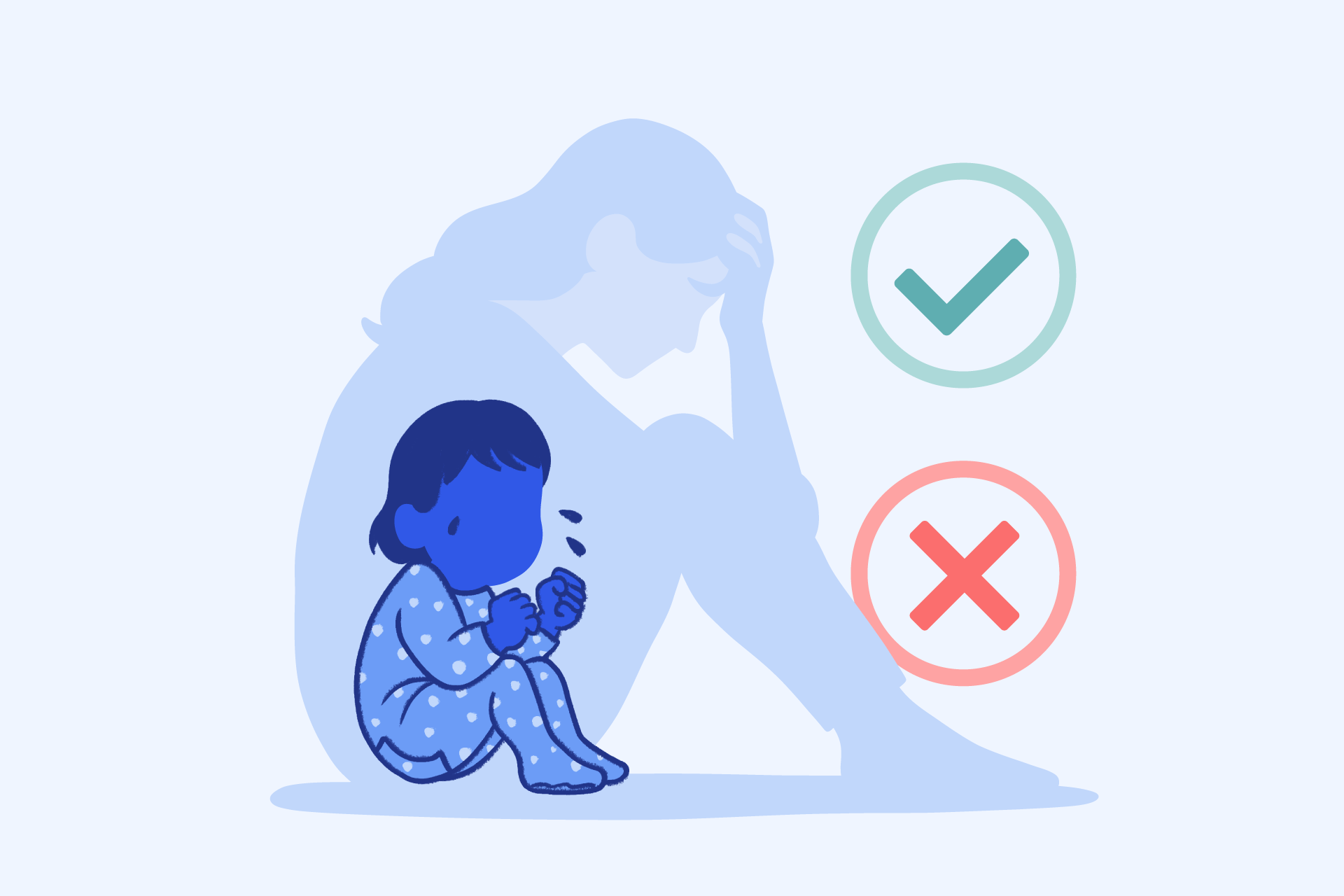
Childhood should be a time of safety, exploration, and emotional growth. But for many, early years are shaped by pain, fear, or neglect—leaving lasting imprints that extend far beyond childhood. If you’ve ever wondered why certain patterns keep repeating in your relationships, why your stress response feels disproportionate, or why mental health issues seem persistent despite your best efforts, the answer may lie in unaddressed trauma from your earliest years.
Rather than offering a clinical diagnosis, this brief test is a tool to help measure your exposure to adverse childhood experiences, such as:
- Emotional abuse or emotional neglect
- Physical abuse or physical neglect
- Sexual abuse
- Witnessing domestic violence
- Growing up with a household member who has a mental illness or substance use problem
- Experiencing household dysfunction like divorce or incarceration
The Link Between Childhood Trauma and Health Outcomes
This assessment is a reflection of your early risk factors. The higher the score, the greater the increased risk for developing a wide range of mental health, behavioral, and physical health conditions later in life.
Key findings from the ACE study:
- People with an ACE score of 4 or more are significantly more likely to experience mental illness, substance abuse, heart disease, and even early death.
- Higher ACE scores correlate with low self-esteem, self-harm, and a toxic stress response that disrupts brain development and the body’s immune and hormonal systems.
- Individuals with high ACE scores have a greater chance of experiencing post-traumatic stress disorder (PTSD), depression, anxiety, and suicidal ideation.
This underscores a powerful truth: Traumatic experiences in early life can shape long-term health outcomes in profound ways.
Breaking Down the ACE Test: What It Measures
Here’s a simplified breakdown of the ACE test’s 10 categories. The ACE test covers similar areas as this childhood trauma test. Each item is a reflection of common traumatic experiences:
1. Abuse
- Physical abuse
- Sexual abuse
- Emotional abuse
2. Neglect
- Physical neglect
- Emotional neglect
3. Household Dysfunction
- Domestic violence
- Substance abuse by a parent or caregiver
- Mental illness in the home
- Parental separation or divorce
- Incarcerated family member
Each “yes” answer contributes one point to your ACE score. While a score of 0 means no exposure to these categories, any score above 0 still matters, especially if the experience was prolonged or repeated.
Beyond the Score: Signs of Childhood Trauma in Adulthood
Even if you’re not familiar with your exact ACE score, there may be clues in your day-to-day life that point to unresolved trauma. Many adults live for years without realizing their challenges stem from past experiences.
Common long-term signs of childhood trauma:
- Persistent anxiety, depression, or emotional pain
- Chronic health problems with no clear medical cause
- Trouble trusting others or maintaining close relationships
- High reactivity or emotional numbness
- Patterns of substance use or self-sabotage
- Difficulty regulating emotions, especially under stress
- Extreme guilt, shame, or fear that seems unrelated to current life circumstances
These effects don’t always show up immediately. Some only surface when triggered by a major life event, relationship breakdown, or prolonged stress.
Trauma and the Body: Why Early Stress Stays With Us
Why does trauma from decades ago still feel so fresh?
Because trauma doesn’t just live in the mind, it embeds itself in the body. Repeated exposure to toxic stress during childhood changes the way the nervous system develops. The brain becomes wired for hypervigilance, fear, or withdrawal, even in safe environments.
This dysregulation affects everything from hormone levels to immune function, contributing to heart disease, autoimmune conditions, and gastrointestinal disorders. It also influences the way we relate to others and how we respond to everyday challenges.
In short, the stress response system remembers what the mind tries to forget.
Healing Is Possible: Trauma-Informed Interventions and Support
Understanding your ACE score is only the beginning. True healing begins with compassion—for yourself and your journey.
If you or a loved one is struggling with the effects of trauma, there are evidence-based interventions that can help rewire the brain and promote healing.
Proven approaches include:
- Cognitive Behavioral Therapy (CBT): Helps reframe unhelpful thought patterns and build healthy coping skills.
- Trauma-informed care: Delivered by clinicians trained to recognize and respond to traumatic events with sensitivity.
- Support groups or peer-led programs that normalize trauma recovery.
- Healthcare interventions that address the mind-body connection, including somatic therapies and mindfulness.
You don’t need to go through this alone. Working with a licensed mental health professional—especially one trained in trauma—can help you process difficult memories and create new, healthier patterns.
What the Childhood Trauma Test Can (and Can’t) Do
This assessment is a valuable tool, but it’s not comprehensive. It doesn’t account for:
- Racial trauma, bullying, or natural disasters
- Protective factors, such as a caring teacher or mentor
- How trauma was experienced or how long it lasted
- Your current resilience, support system, or access to interventions
So, while this test offers important insights, it’s just one part of a larger picture. If you’re considering taking the test, do so with care and preferably with the support of a professional who can guide you through the results.
Next Steps
It’s not always easy to look back at what you’ve endured—but acknowledging your history is often the first, most courageous step toward reclaiming your life. If your score is high, or if the past still feels painfully present, know this: there is nothing wrong with you. You responded the best way you could with the tools you had.
And now, you have new tools—and new choices.
You are not alone. Help is available. Healing is possible.
Resources and Next Steps
- Trauma treatment centers near you
- How Do I Know if I Need Mental Health and Addiction Treatment?
- Somatic Therapy: 5 Ways Body-Based Healing Transforms Trauma Recovery
- Giving Voice to Mental Health Podcast
External Resources
- CDC – Adverse Childhood Experiences (ACEs)
- National Child Traumatic Stress Network (NCTSN)
- Substance Abuse and Mental Health Services Administration (SAMHSA): Trauma and Violence
- American Psychological Association: Understanding Childhood Trauma
Addiction is treatable, and a life of freedom is possible. Connect with drug and alcohol treatment centers that specialize in your specific needs, from holistic care to medication-assisted treatment. Don’t wait another day to get help; find a recovery program that works for you.
FAQs

















Our Promise
How Is Recovery.com Different?
We believe everyone deserves access to accurate, unbiased information about mental health and recovery. That's why we have a comprehensive set of treatment providers and don't charge for inclusion. Any center that meets our criteria can list for free. We do not and have never accepted fees for referring someone to a particular center. Providers who advertise with us must be verified by our Research Team and we clearly mark their status as advertisers.
Our goal is to help you choose the best path for your recovery. That begins with information you can trust.