- Addiction
- Mental Health
- About Us
Find Treatment By
Rehabs by Location


Find Treatment By
Learn
About Us
Recovery.com combines independent research with expert guidance on addiction and mental health treatment. Our mission is to help everyone find the best path to recovery through the most comprehensive, helpful network of treatment providers worldwide.
Advisory Council
Our advisory council brings together leaders in behavioral health, technology, and business. Their diverse expertise ensures our resources and product are innovative, evidence-based, and effective. They guide our mission as accomplished individuals dedicated to improving the landscape of addiction recovery and mental wellness.
Couples Therapy: What to Expect and How It Can Help

Sarah holds a B.A. in Psychology from the University of Wisconsin-Madison where she was part of a psycho-social research lab. She is the Content Manager and Editor at Recovery.com, creating informational video resources on behavioral health.

Rajnandini is a psychologist (M.Sc. Psychology) and writer dedicated to making mental health knowledge accessible.

Sarah holds a B.A. in Psychology from the University of Wisconsin-Madison where she was part of a psycho-social research lab. She is the Content Manager and Editor at Recovery.com, creating informational video resources on behavioral health.
Rajnandini is a psychologist (M.Sc. Psychology) and writer dedicated to making mental health knowledge accessible.
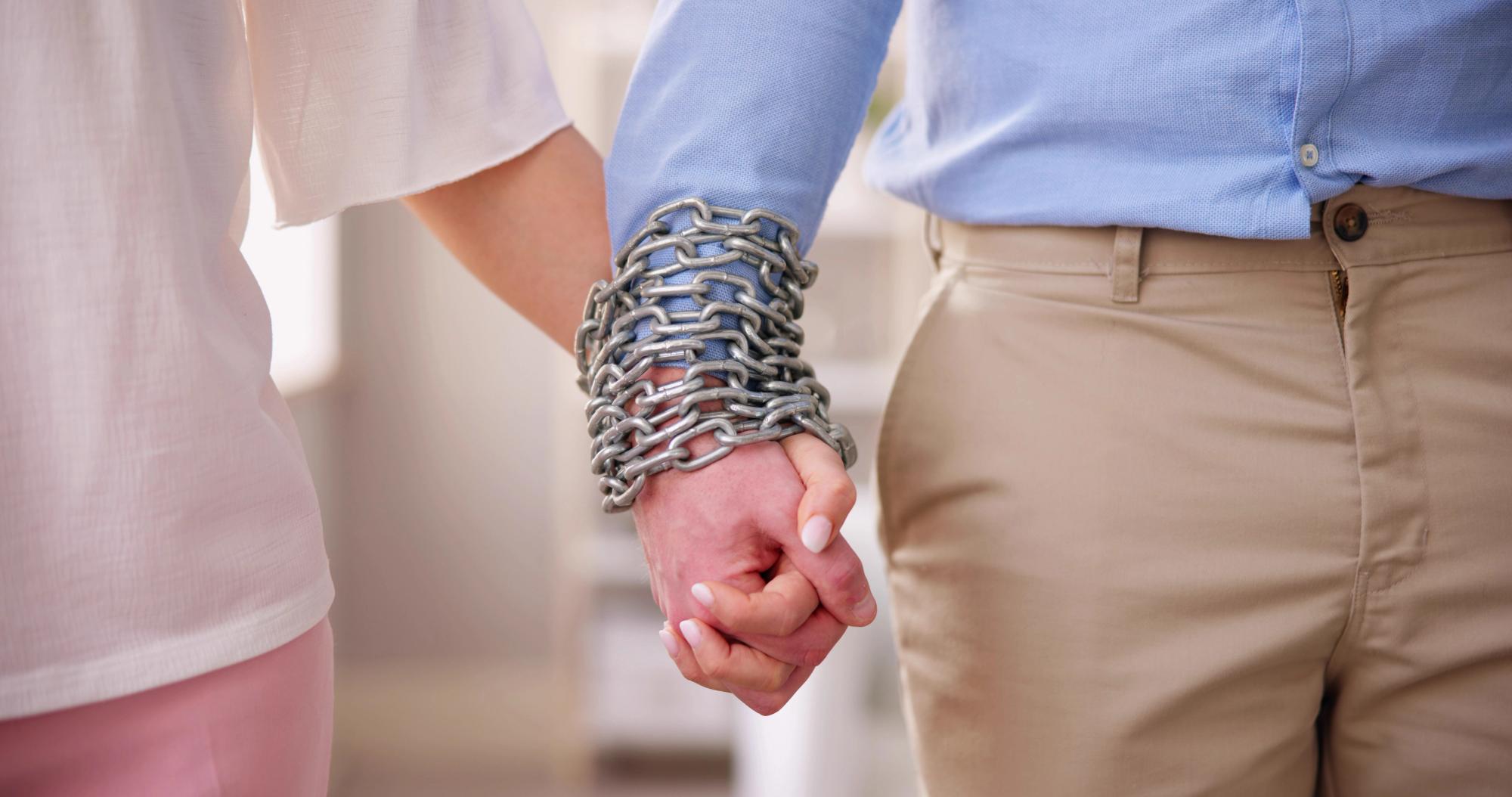
Your partner is there with you through thick and thin. They celebrate your greatest achievements and support you when the going gets tough. But no relationship is perfect—there will always be ways to improve your dynamic. And some issues are too big to handle alone. If you and your partner are hitting a wall, it might be time to start couples therapy.
What Happens in Couples Counseling?
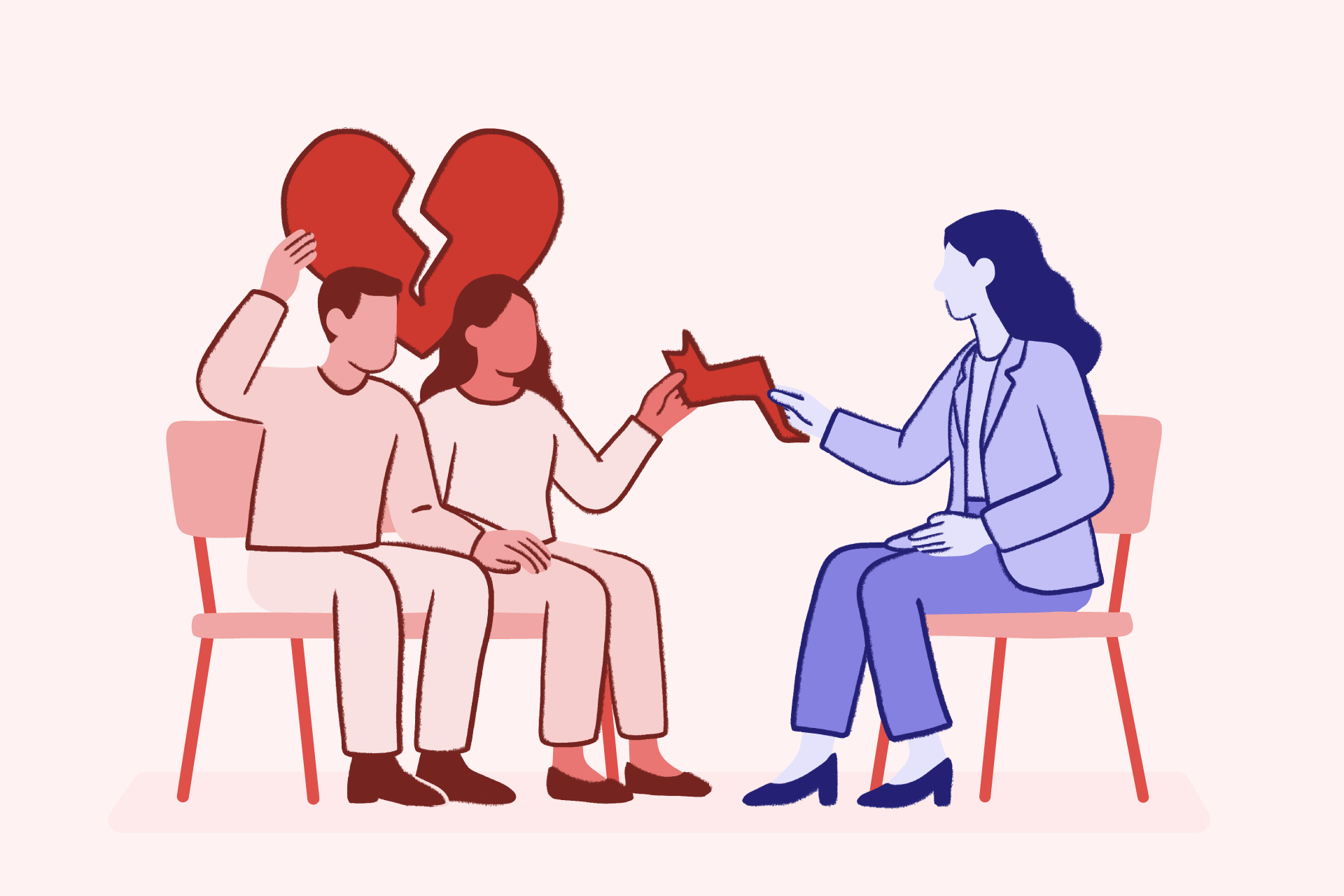
Relationships can be hard. Sometimes you need outside help to reconnect with each other. Thankfully, couples therapy can be a hugely effective solution. In fact, data shows that couples therapy increases relationship satisfaction in up to 75% of couples.1
In most cases, your first session will focus on your reasons for starting therapy. This lets your therapist learn about your relationship dynamic. Most couples counseling also includes individual sessions so you can openly discuss topics you may not be ready to talk about in front of your partner.
Explore Couples Counseling Treatment Centers
In the following sessions, you’ll dig deeper, learning about the root causes of any interpersonal issues. You’ll also practice new communication skills, which can help you apply these lessons outside of therapy.
Couples counseling sessions are tailored to address your needs. You can even look for a counselor who specializes in your concerns. For example, some couples therapists treat LGBTQ+ relationships, polyamorous relationships, and other nontraditional dynamics.
There’s no set timeline for couples therapy. You may see major improvements after just a few weeks, or it may take months to achieve results.
What Issues Does Couples Therapy Address?
You can talk about any topics you’d like in couples therapy. Remember, your therapist is there to help you explore difficult issues. Treatment is most effective when you share your deepest concerns. Many couples enter therapy to talk about these sensitive subjects:
- Communication problems
- Finances
- Intimacy issues
- Children and family dynamics
- Emotional distance
Nothing is off the table. You might even find yourself talking about issues you weren’t planning to bring up. Through empathetic communication, counseling can help you and your partner find common ground.
Myths About Couples Therapy (And the Reality)
If you’re new to relationship counseling, you might not know what to expect. This treatment can be very different from the way it’s portrayed in the media. And it’s easier to prepare for therapy when you know what you should actually expect.
1. The therapist will take one partner’s side.
Your counselor is an unbiased 3rd party. Their job is to mediate and help you resolve relationship issues. A good therapist won’t side with you against your partner, or vice versa.
2. The goal of couples counseling is always to save the relationship.
Therapy helps clients improve their lives. In this context, your counselor will help you and your partner understand each other better. That knowledge can tell you whether your needs align with theirs. And there’s always a chance you’ll both be happier if you go your separate ways. Your therapist won’t try to convince you to either stay together or separate. This decision is ultimately yours. But treatment can help you decide on the best course of action.
3. Going to therapy means something is wrong, either with you or with your relationship.
No relationship is ever perfect. Choosing to go to therapy shows that you and your partner are willing to grow as people. It demonstrates that you care about each other and about your relationship. And whatever happens next, that commitment is meaningful.
Different Approaches to Couples Therapy
Every person is unique—and so is every relationship. Just as there are different types of individual therapy, there are many ways to approach couples counseling.
Emotion-Focused Therapy
Emotion-focused therapy (EFT) focuses on the idea that our feelings are at the core of our relationships. This treatment helps patients develop their emotional intelligence.
In each session, your therapist will guide you to reframe the feelings attached to past experiences. This process helps you and your partner address unmet emotional needs through compassionate listening and sharing. Data shows that EFT reduces relationship stress, making it highly effective for couples.2
The Gottman Method
The Gottman method uses the metaphor of a house to describe interpersonal dynamics. In each session, you and your partner will map out the structure of your relationship. Over time, your therapist will guide you to explore the different “floors” of your “house.” You’ll start with a strong foundation, and build toward a sense of mutual admiration and trust. This treatment fosters flexibility and emotional stability.3
How Couples Therapy Supports Addiction Recovery
If you or your partner has addiction, couples counseling can be an important part of treatment. Addiction affects every part of life, including work, finances, and health—and intimate relationships. On the flip side, stress from a relationship can leave you more vulnerable for substance use.
Ammet Braich, Clinical Director at Camino Recovery, emphasizes that “people aren’t created in a vacuum. The things that shape us in our lives, the personality that we are and the closest people around us have a big effect.” By looking at the role your inner circle plays in your life, you can get to the root of addiction.
Healthy boundaries and clear communication both support long term recovery. And couples therapy teaches you these skills. Relationship counseling, alongside other treatments, reduces drug use and improves relationship satisfaction.4
Is Couples Therapy for Everyone?
Couples therapy is helpful for many relationships, but it’s not right for everyone. For one thing, it’s important for both you and your partner to commit to healing. If one of you is resistant to the idea of counseling, it probably won’t be as effective. But you can’t force your partner into treatment.
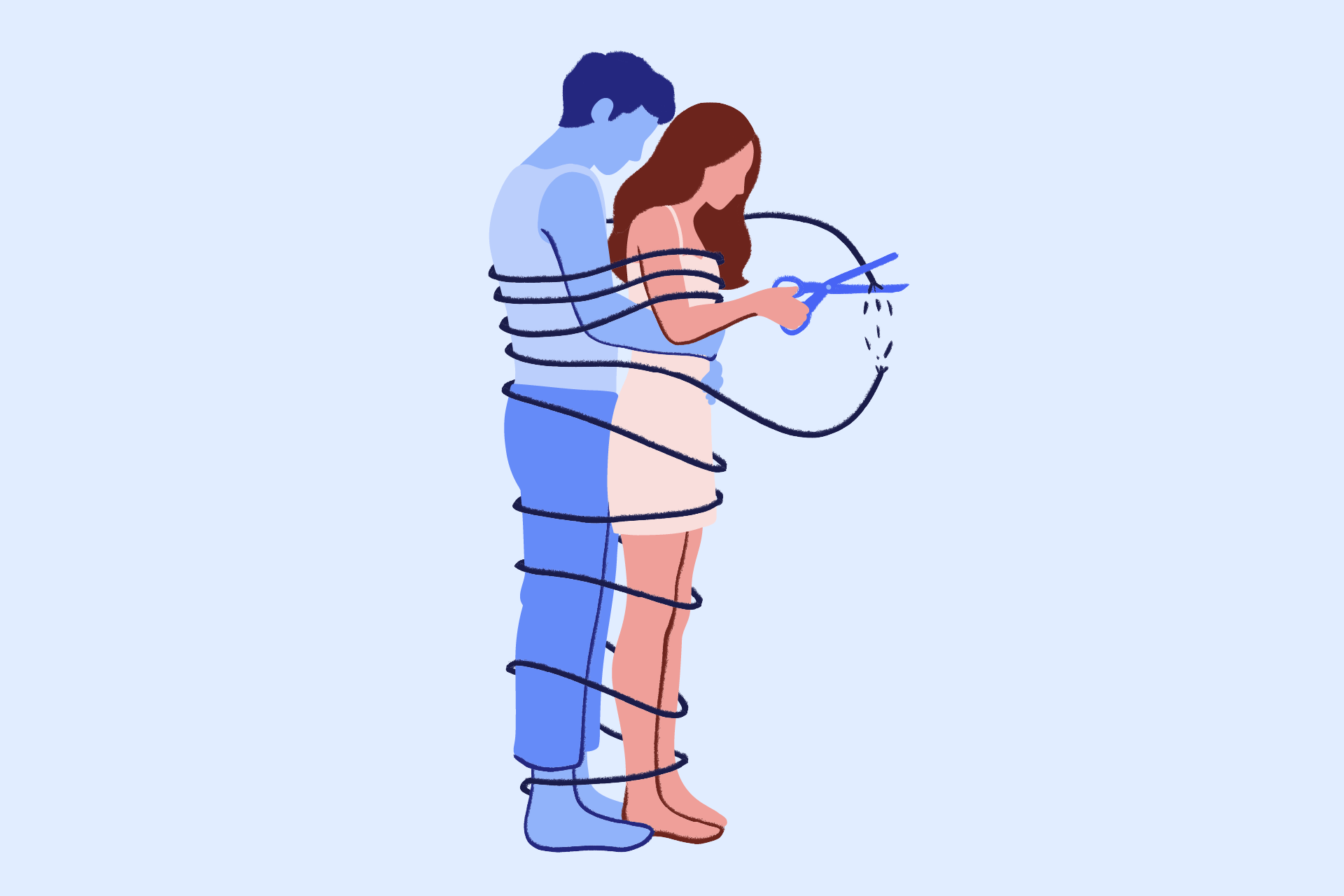
What’s more, this therapy can’t replace other treatment methods. For example, if one or both of you have addiction or another mental health diagnosis, couples therapy might not be enough. But it can be a helpful addition to your care plan. Couples counseling helps you set sustainable boundaries, easing the recovery process for all involved. It can also help you work through related issues, like codependency.
Finding the Right Couples Therapist for You
Couples therapy isn’t only a way to work on your relationship. It can also clarify your personal values. And the better you know yourself, the more easily you can build a relationship that meets your needs.
Explore centers with couples therapy to see program information, read reviews, and see if this treatment is right for your relationship.
FAQs
-
Lundblad, A.-M., & Hansson, K. (2006). Couples therapy: Effectiveness of treatment and long-term follow-up. Journal of Family Therapy, 28(2), 136–152. https://doi.org/10.1111/j.1467-6427.2006.00343.x. https://onlinelibrary.wiley.com/doi/10.1111/j.1467-6427.2006.00343.x
-
Dessaulles, A., Johnson, S. M., & Denton, W. H. (2003). Emotion-Focused Therapy for Couples in the Treatment of Depression: A Pilot Study. The American Journal of Family Therapy, 31(5), 345–353. https://doi.org/10.1080/01926180390232266. https://www.tandfonline.com/doi/abs/10.1080/01926180390232266
-
Davoodvandi M, Navabi Nejad S, Farzad V. Examining the Effectiveness of Gottman Couple Therapy on Improving Marital Adjustment and Couples' Intimacy. Iran J Psychiatry. 2018 Apr;13(2):135-141. PMID: 29997659; PMCID: PMC6037577. https://pmc.ncbi.nlm.nih.gov/articles/PMC6037577/
-
Fals-Stewart W, O'Farrell TJ, Birchler GR. Behavioral couples therapy for substance abuse: rationale, methods, and findings. Sci Pract Perspect. 2004 Aug;2(2):30-41. doi: 10.1151/spp042230. PMID: 18552731; PMCID: PMC2851021. https://www.ncbi.nlm.nih.gov/pmc/articles/PMC2851021/
















Our Promise
How Is Recovery.com Different?
We believe everyone deserves access to accurate, unbiased information about mental health and recovery. That's why we have a comprehensive set of treatment providers and don't charge for inclusion. Any center that meets our criteria can list for free. We do not and have never accepted fees for referring someone to a particular center. Providers who advertise with us must be verified by our Research Team and we clearly mark their status as advertisers.
Our goal is to help you choose the best path for your recovery. That begins with information you can trust.