- Addiction
- Mental Health
- About Us
Find Treatment By
Rehabs by Location


Find Treatment By
Learn
About Us
Recovery.com combines independent research with expert guidance on addiction and mental health treatment. Our mission is to help everyone find the best path to recovery through the most comprehensive, helpful network of treatment providers worldwide.
Advisory Council
Our advisory council brings together leaders in behavioral health, technology, and business. Their diverse expertise ensures our resources and product are innovative, evidence-based, and effective. They guide our mission as accomplished individuals dedicated to improving the landscape of addiction recovery and mental wellness.
Did Trump Cut the Suicide Hotline? What’s Happening With 988

Hannah is a holistic wellness writer who explores post-traumatic growth and the mind-body connection through her work for various health and wellness platforms. She is also a licensed massage therapist who has contributed meditations, essays, and blog posts to apps and websites focused on mental health and fitness.

Dr. Mala, is the Chief Clinical Officer at Recovery.com, where she develops impartial and informative resources for people seeking addiction and mental health treatment.
Hannah is a holistic wellness writer who explores post-traumatic growth and the mind-body connection through her work for various health and wellness platforms. She is also a licensed massage therapist who has contributed meditations, essays, and blog posts to apps and websites focused on mental health and fitness.
Dr. Mala, is the Chief Clinical Officer at Recovery.com, where she develops impartial and informative resources for people seeking addiction and mental health treatment.
When you’re in your darkest moment and in emotional distress, the last thing you should have to worry about is whether help will be there when you call. Yet recent changes to funding for the 988 Suicide & Crisis Lifeline have left many wondering if this life-saving resource will still be there when people need it most.
The short answer is yes, 988 is still active and available 24/7. However, the longer story involves budget cuts that affect how quickly you get help and what kind of support is available, especially for communities that already face higher needs and barriers to mental health care.
What Is the 988 Lifeline?
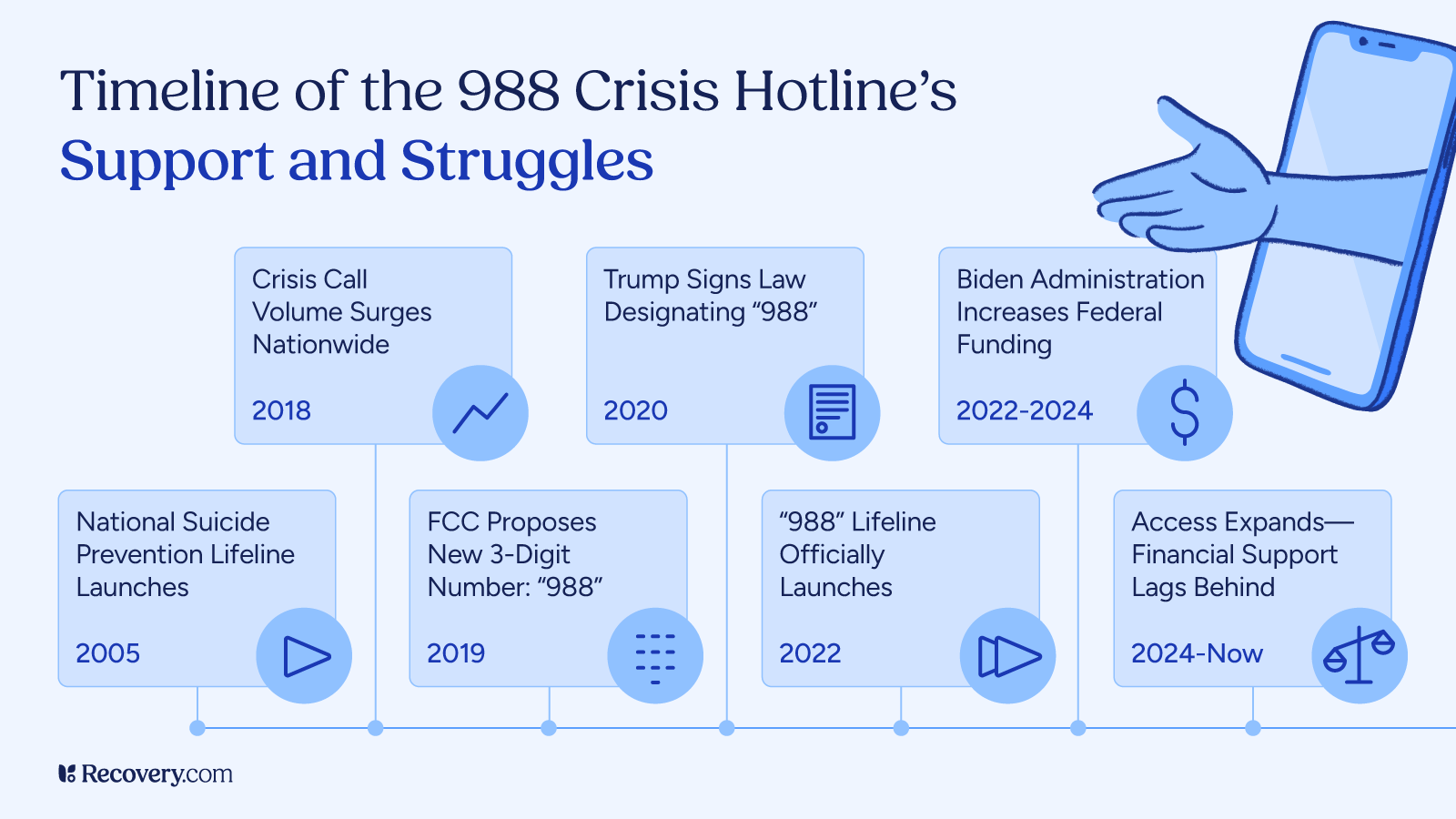
The 988 Suicide & Crisis Lifeline launched in 2022 as a game-changer for mental health support in the U.S. Instead of remembering a long phone number, anyone in crisis can simply dial 988 to reach trained counselors who provide immediate emotional support and connect people to local resources.
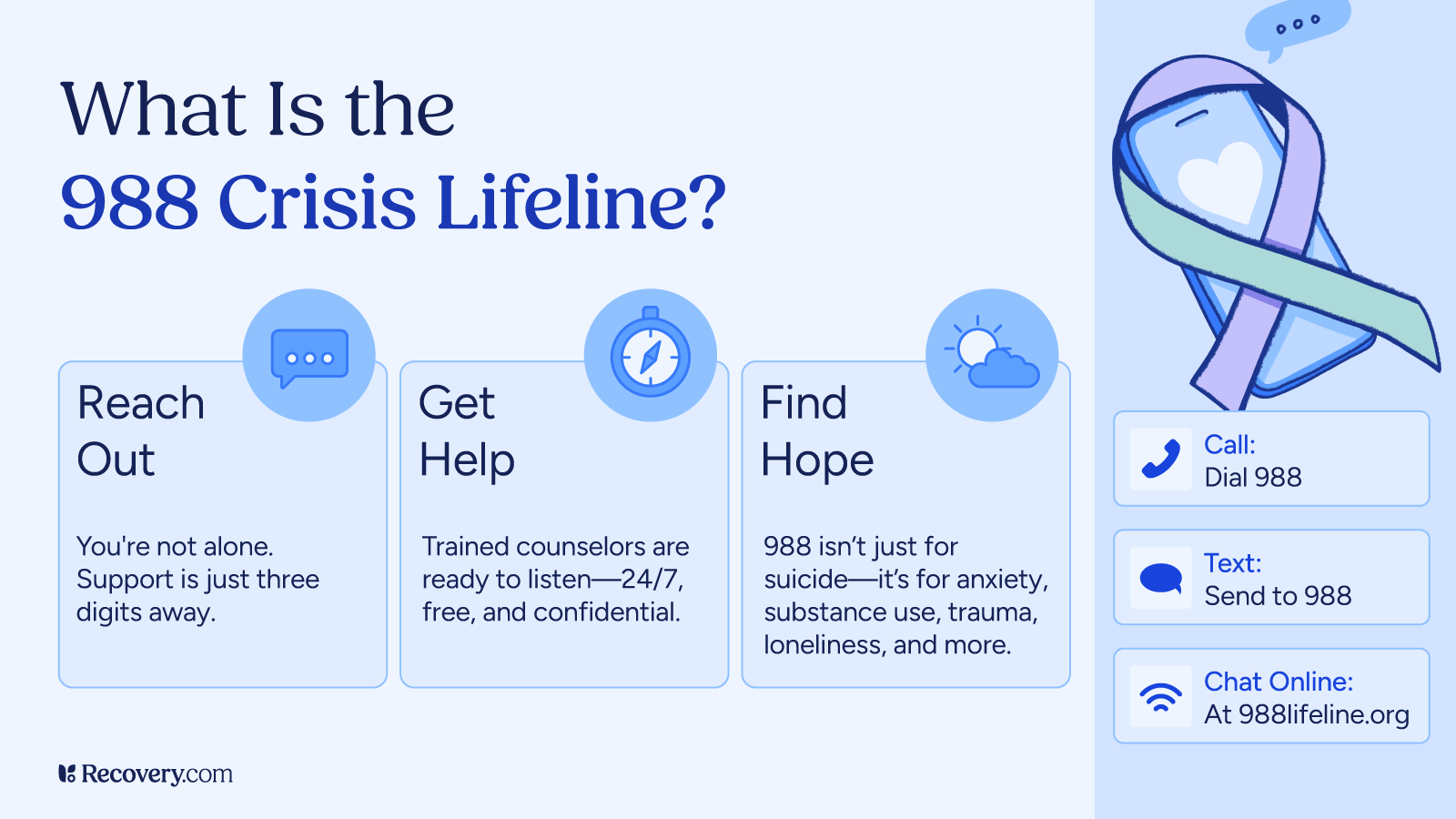
The lifeline is managed by SAMHSA (the Substance Abuse and Mental Health Services Administration) under the Department of Health and Human Services (HHS). It serves everyone, but it has specialized services for groups at higher risk, including LGBTQIA+ youth and veterans.
Explore Suicidality Treatment Centers
What’s Changed With Funding
In July 2025, the federal government stopped funding specialized services for LGBTQIA+ youth through the 988 Suicide & Crisis Lifeline. As of July 17, the Lifeline’s “Press 3” option, (which routed calls to counselors trained specifically to support LGBTQ+ youth) was discontinued after federal funds for this subnetwork ran out.
The finalized fiscal year 2026 budget includes $520 million for the 988 Lifeline overall, but omits any earmarked funding for LGBTQIA+ services. As a result, all callers are now served by general crisis counselors, regardless of background or identity.
The news comes at a time when suicide rates among LGBTQIA+ youth are a clear concern: The Trevor Project estimates that more than 1.8 million LGBTQ+ young people (ages 13-24) seriously consider suicide each year in the U.S., and at least one person attempts suicide every 45 seconds.2
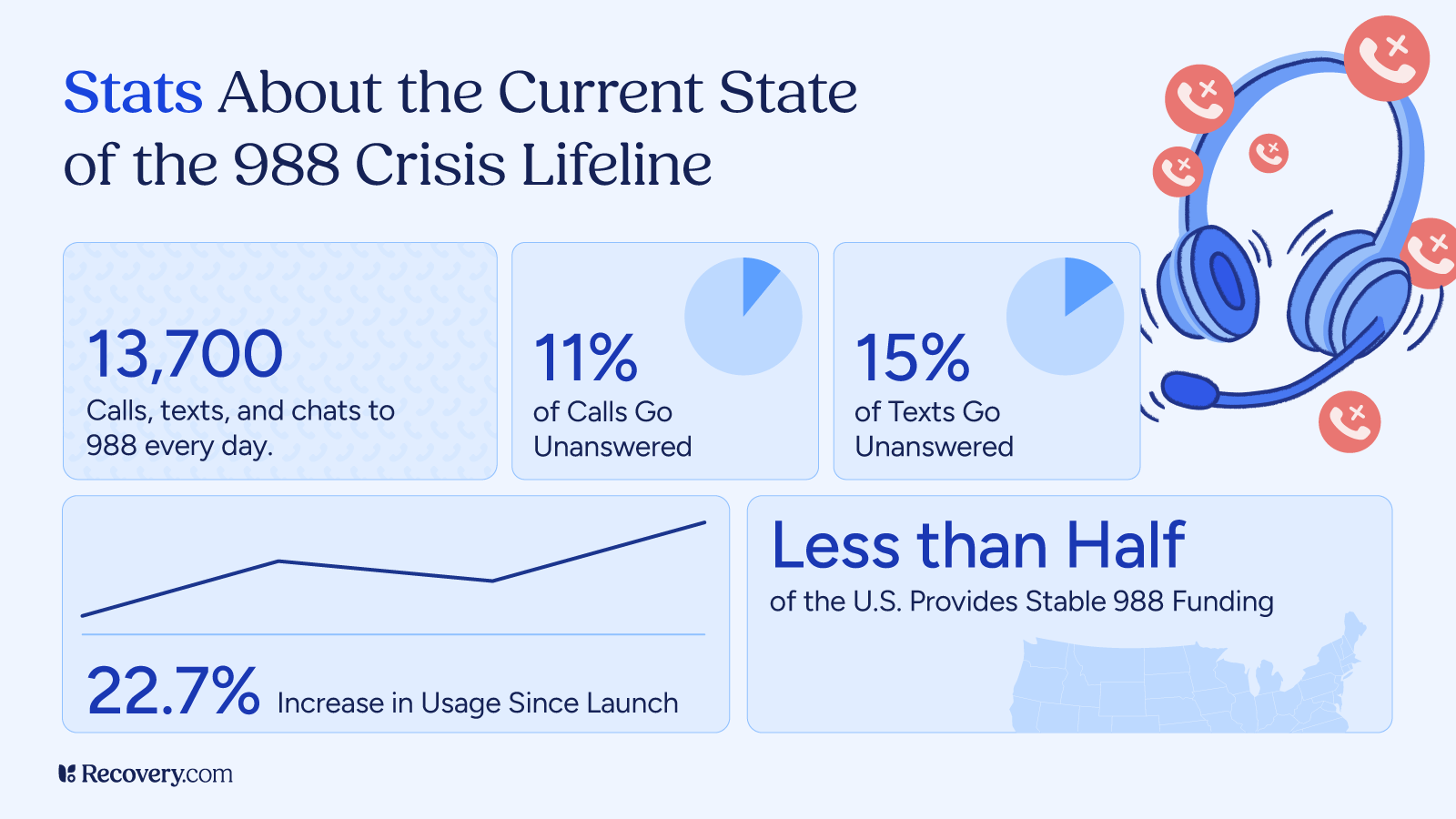
While the lifeline network itself remains operational, defunding specialized services affects the system’s ability to meet increasing demand. This doesn’t mean 988 is shutting down, but it does mean fewer resources for hiring staff in call centers, training specialized counselors, and expanding outreach programs.
Impact on the LGBTQIA+ Community
This change also significantly impacts organizations like The Trevor Project, which lost half of its federal funding for crisis response, threatening their ability to maintain trained staff and meet call volume demands.
The end of tailored support may increase wait times and reduce the quality of care for LGBTQIA+ youth, who previously made up as many as 70,000 calls to the specialized line each month.3 Additionally, general crisis centers may not have the cultural competency to respond effectively to the unique challenges LGBTQIA+ people face.
Despite the loss of federal support, independent hotlines like Trans Lifeline and The Trevor Project continue operating, though with more limited capacity. This shift underscores the importance of funding culturally responsive mental health services, especially for communities at higher risk of suicide, mental health concerns, and behavioral health crisis.
Who Is Disproportionately Impacted
Unfortunately, funding cuts rarely affect everyone equally. According to the American Foundation for Suicide Prevention, “Certain populations uniquely at risk continue to be underrepresented in suicide research and face disproportionate inequities in accessing the care, support, and services needed to improve mental health and prevent suicide.”4
The communities most likely to feel the impact include:
- BIPOC (Black, Indigenous, and People of Color) communities who already face barriers to accessing culturally competent mental health care
- LGBTQIA+ communities, especially youth, who have significantly higher rates of thoughts of suicide
- Rural residents who have limited access to mental health resources to begin with
- People without insurance who rely heavily on free crisis care services
How do recent cuts to the 988 Suicide & Crisis Lifeline affect access to care, especially in underserved or marginalized communities? What are the potential long-term implications?
What This Means for You
These funding reductions create staffing shortages, which lead to longer response times and reduce how effectively crisis helplines can offer support services during crises.
Here’s what you might experience:
- Longer wait times when calling for help
- Fewer culturally competent counselors available
- Reduced outreach programs in underserved communities, such as those that are community-based and offer peer support services.
- Less specialized support for high-risk groups
The broader concern is that without adequate mental health crisis support, more people may end up in emergency rooms or have increased encounters with law enforcement—exactly the kinds of situations 988 was designed to prevent.
Why This Matters Beyond Individual Calls
The 988 lifeline doesn’t just save lives in the moment. It reduces overall healthcare costs by preventing more expensive interventions like psychiatric hospitalizations. For marginalized communities especially, it provides access to support and wellness resources that might otherwise be unavailable.
Other Crisis Resources Still Available
While concerns about National Suicide Prevention Lifeline funding are serious, it’s important to know that other crisis support options are still available.
If you can’t get through to 988 or need specialized support, these resources can help:
- National Crisis Text Line: Text HOME to 741741 for free, confidential support 24/7. This service operates independently of 988 and connects you with trained crisis counselors via text message.
- The Trevor Project: Provides crisis support specifically for LGBTQ+ youth through phone (1-866-488-7386), text START to 678-678, and online chat. Available 24/7 with counselors trained in LGBTQ+ issues.
- Veterans Crisis Line: Call 988 and press 1, text 838255, or chat online. This specialized service for veterans, service members, and their families has dedicated funding and staff.
- Crisis Text Line en Español: Envía el texto HOLA al 741741 para apoyo en crisis en español/Text HOLA to 741741 for crisis support in Spanish.
Many communities also have local crisis hotlines, mobile crisis teams, and walk-in crisis centers. Your local 211 service (dial 2-1-1) can help you find nearby mental health resources and crisis support options.
The Advocacy Response
Mental health advocates nationwide are actively responding to the funding cuts to the National Suicide Hotline. Leading organizations have issued press releases and public statements urging Congress and the White House to restore and expand funding, emphasizing that access to crisis services is a matter of life and death for vulnerable communities.
Advocates stress that mental health is a bipartisan issue. “Suicide prevention is about risk, not identity,” says Jaymes Black, CEO of The Trevor Project.5 But, Black also reminds affected communities that not all hope is lost:
I want to be clear to all LGBTQ+ young people: This news, while upsetting, is not final. And regardless of federal funding shifts, The Trevor Project remains available 24/7 for anyone who needs us, just as we always have.6
What You Can Do
If you’re concerned about these changes, here are ways to help:
- Contact your elected officials to express support for 988 funding
- Support nonprofit organizations working on mental health advocacy
- Share accurate information about available resources in your community
- Learn the warning signs of suicide and how to help someone in crisis
Moving Forward
988 remains available 24/7 for anyone in crisis, but some communities are disproportionately impacted when it comes to specialized services and response. The system’s long-term capacity depends on sustained and equitable investment from federal and state governments.
If you or someone you love is struggling, remember that help is still available. Aside from crisis support, you can also search for treatment centers that specialize in treating suicidal thoughts and behaviors for comprehensive care.
Make a safety plan, connect with support, and remember—your story isn’t over yet.
FAQs
-
Congressman Chris Pappas. (2025, May 13). Pappas Joins Over 100 Colleagues in Opposing Threatened Cuts to 988’s Specialized Services for LGBTQ+ Youth. https://pappas.house.gov/media/press-releases/pappas-joins-over-100-colleagues-in-opposing-threatened-cuts-to-988-s-specialized-services-for-lgbtq-youth
-
The Trevor Project. (2021, December 15). Facts About Suicide Among LGBTQ+ Young People. https://www.thetrevorproject.org/resources/article/facts-about-lgbtq-youth-suicide/
-
Health Policy Institute of Ohio. (2025, July 18). Cut to specialized LGBTQ+ 988 services take effect. https://www.healthpolicyohio.org/health-policy-news/2025/07/18/cut-to-specialized-lgbtq-988-services-take-effect
-
American Foundation for Suicide Prevention. (n.d.). Policy Priority: Disproportionately Affected Communities and Populations. https://afsp.org/policy-priority-disproportionately-affected-communities-and-populations/
-
ABC 7 Eyewitness News. Munoz, A. (2025, April 29). 988 suicide prevention service for LGBTQ+ youth faces possible elimination by Trump administration. https://abc7.com/post/local-groups-sound-alarm-possible-elimination-suicide-prevention-hotline-lgbtq-youth/16272204/
-
MSN. Brown, L. (2025, May). What Defunding the Suicide Lifeline Could Mean for LGBTQ+ Folks. https://www.msn.com/en-us/news/us/what-defunding-the-suicide-lifeline-could-mean-for-lgbtq-folks/ar-AA1Dyl7z
-
KFF Health News. Pattani, A. (2025, May 1). 3 Things to Watch on Mental Health in Trump's Early Budget Proposals. https://kffhealthnews.org/news/article/trump-budget-mental-health-suicide-overdose-988-hotline-rfk/
-
The Trevor Project. (2025, June 9). What to Know About 988 Funding. https://www.thetrevorproject.org/blog/what-to-know-about-988-funding/




Our Promise
How Is Recovery.com Different?
We believe everyone deserves access to accurate, unbiased information about mental health and recovery. That's why we have a comprehensive set of treatment providers and don't charge for inclusion. Any center that meets our criteria can list for free. We do not and have never accepted fees for referring someone to a particular center. Providers who advertise with us must be verified by our Research Team and we clearly mark their status as advertisers.
Our goal is to help you choose the best path for your recovery. That begins with information you can trust.