- Addiction
- Mental Health
- About Us
Find Treatment By
Rehabs by Location


Find Treatment By
Learn
About Us
Recovery.com combines independent research with expert guidance on addiction and mental health treatment. Our mission is to help everyone find the best path to recovery through the most comprehensive, helpful network of treatment providers worldwide.
Advisory Council
Our advisory council brings together leaders in behavioral health, technology, and business. Their diverse expertise ensures our resources and product are innovative, evidence-based, and effective. They guide our mission as accomplished individuals dedicated to improving the landscape of addiction recovery and mental wellness.
How Addiction Affects Families and How Families Can Help

Rita Milios, LCSW, "The Mind Mentor," combines the science of neuro-biology, traditional psychotherapy techniques, and spiritual growth techniques gleaned from ancient wisdom traditions to help people re-program old, entrenched, self-defeating habits and attitudes and successfully treat anxiety, depression, addictions (substances, people, things), eating issues, relationship issues, trauma, life transition issues and grief.

Rita Milios, LCSW, "The Mind Mentor," combines the science of neuro-biology, traditional psychotherapy techniques, and spiritual growth techniques gleaned from ancient wisdom traditions to help people re-program old, entrenched, self-defeating habits and attitudes and successfully treat anxiety, depression, addictions (substances, people, things), eating issues, relationship issues, trauma, life transition issues and grief.
The effects of substance use or addiction are not limited to the person who is using. Everyone associated with someone struggling with substance use, including neighbors, friends, and co-workers, can be impacted. By far, however, family members often carry the greatest burden when substance use is part of daily life.
According to the Substance Abuse and Mental Health Services Administration, a report on the impact of substance use on families identifies recognizable patterns of interaction that are likely to be present in families where parents or children misuse alcohol or illicit drugs.
Explore Family Therapy Treatment Centers
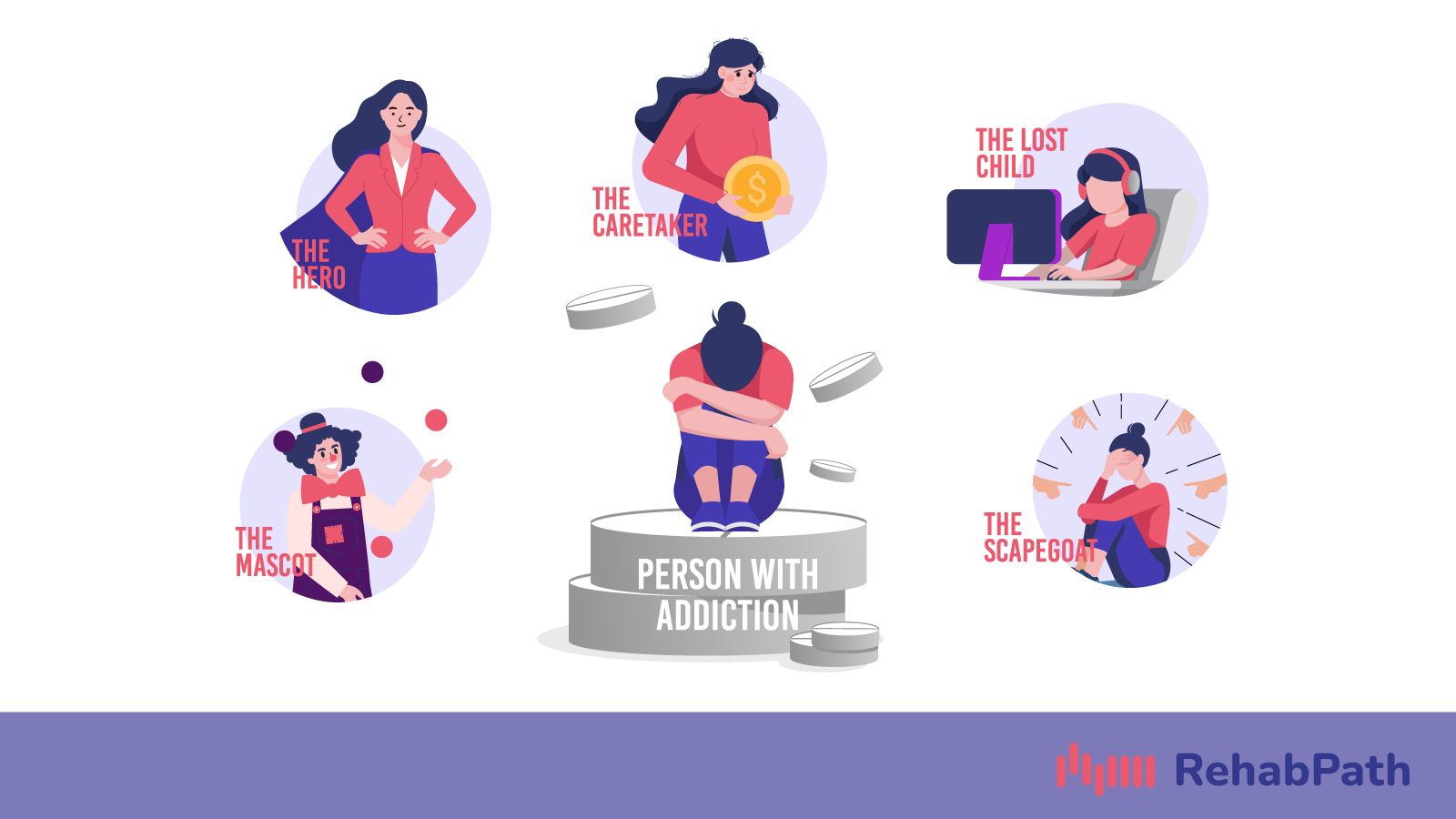
Typical Patterns of Family Interaction Where Substance Abuse is an Issue
- Negativism. Communication among family members often focuses on the negative, with complaints, criticism, and other expressions of displeasure being common. The overall mood of the household may feel downbeat, with positive behavior rarely recognized or encouraged. Creating crises can become the most effective way to get attention, and this negativity may unintentionally reinforce substance use.
- Parental inconsistency. Rule-setting is often erratic, and rule enforcement is inconsistent, leading to a weakened family structure. Children may become confused because they cannot clearly identify the boundaries of right and wrong. As a result, they may act out in hopes that parents will establish clearer limits. Without predictable boundaries, children struggle to anticipate parental responses and adjust their behavior accordingly.
- Parental denial. Parents may be in denial about their own substance use or that of their children.
- Misguided expressions of anger. Children or parents who feel resentful about emotionally deprived home environments (and who are afraid or reluctant to express their feelings) may turn to substance use as a way to cope with repressed emotions.
- Self-medication. Either a parent or child may use alcohol or drugs to cope with overwhelming thoughts or feelings, such as severe anxiety or depression.
- Unrealistic parental expectations. When expectations are unrealistically high, children may disengage from future goals so that less is expected of them. Others may become overachievers, yet feel that no matter what they do, it is never enough. On the other hand, when parental expectations are too low, and children are repeatedly told they will likely fail, they may begin to conform their behavior to those predictions, unless other adults step in to provide healthy, positive, and supportive messages.
- Codependency. When one or more family members struggle with substance dependence and others do not, non-using family members may become codependent. They may try to control the behavior of the person using substances, believing that the person is incapable of caring for themselves. This can lead to hypervigilance, excessive compliance to avoid conflict, and the denial of one’s own feelings and needs in an effort to maintain peace.
In all of these cases, a restructuring of the entire family system is called for.
Special Issues for Children in Families Affected by Substance Use
When children are part of a family affected by substance use, the risks and concerns increase significantly. Similar to children who experience maltreatment and believe they are to blame, children of parents with substance use disorders often feel guilty or responsible for a parent’s behavior.
Children whose parents use illicit drugs may live with the constant awareness that their parents’ actions are illegal. In some cases, they may even feel pressured to engage in illegal activity on their parents’ behalf.
In blended families where a step-parent’s substance use is present, that use may undermine the step-parent’s ability to establish authority. This can make it difficult to form bonds with step-children and may interfere with the family’s ability to address problems or sensitive issues effectively.
When an adolescent in the family is using alcohol or drugs, siblings may find their own needs overlooked as parents respond to repeated crises involving the adolescent. These siblings may be forced into age-inappropriate levels of independence or may act out in an effort to gain attention.
How Family Members Can Help
Family members who are not using substances can offer support in ways that do not involve codependency or sacrificing their own needs or values.
Below are tips from Mental Health America (formerly the National Mental Health Association):
- Offer support. Let your family member know you are there for them, no matter what. Avoid judgment.
- Encourage openness. Show genuine interest in what is happening in their life.
- Be persistent, but gentle. They may not be ready to share immediately. Don’t feel discouraged. Continued compassion can help open the door over time.
- Listen without lecturing. Criticism may shut down communication. Focus on listening fully before asking questions.
- Address the issue. Even if you’re unsure about the extent of the problem, it’s important to acknowledge the changes you’ve noticed.
- Be honest. Share the behaviors you’ve observed and explain why they concern you.
- Validate their feelings. Remember that they are sharing deeply personal experiences. Treat this with care.
- Speak with dignity and respect. Everyone faces challenges. Avoid shaming or blame.
- Remain calm. You may feel shocked, angry, sad, or scared. Staying calm helps keep communication open.
- Encourage professional help. Explain how treatment or counseling may help, and assist in finding resources if they ask.
- Seek support for yourself. Supporting a loved one can be overwhelming. Consider speaking with a counselor or other professional to care for your own emotional needs.
Find Support and Treatment Options
Substance use affects the entire family, but help is available. Recovery.com makes it easier to explore treatment options that support both individuals and their loved ones. Use Recovery.com to find treatment centers that match your needs, compare programs, and take the next step toward healing for yourself or someone you care about.
FAQs


















Our Promise
How Is Recovery.com Different?
We believe everyone deserves access to accurate, unbiased information about mental health and recovery. That's why we have a comprehensive set of treatment providers and don't charge for inclusion. Any center that meets our criteria can list for free. We do not and have never accepted fees for referring someone to a particular center. Providers who advertise with us must be verified by our Research Team and we clearly mark their status as advertisers.
Our goal is to help you choose the best path for your recovery. That begins with information you can trust.