- Addiction
- Mental Health
- About Us
Find Treatment By
Rehabs by Location


Find Treatment By
Learn
About Us
Recovery.com combines independent research with expert guidance on addiction and mental health treatment. Our mission is to help everyone find the best path to recovery through the most comprehensive, helpful network of treatment providers worldwide.
Advisory Council
Our advisory council brings together leaders in behavioral health, technology, and business. Their diverse expertise ensures our resources and product are innovative, evidence-based, and effective. They guide our mission as accomplished individuals dedicated to improving the landscape of addiction recovery and mental wellness.
How to Prepare for Rehab

Hannah is a holistic wellness writer who explores post-traumatic growth and the mind-body connection through her work for various health and wellness platforms. She is also a licensed massage therapist who has contributed meditations, essays, and blog posts to apps and websites focused on mental health and fitness.

Rajnandini is a psychologist (M.Sc. Psychology) and writer dedicated to making mental health knowledge accessible.
Hannah is a holistic wellness writer who explores post-traumatic growth and the mind-body connection through her work for various health and wellness platforms. She is also a licensed massage therapist who has contributed meditations, essays, and blog posts to apps and websites focused on mental health and fitness.
Rajnandini is a psychologist (M.Sc. Psychology) and writer dedicated to making mental health knowledge accessible.
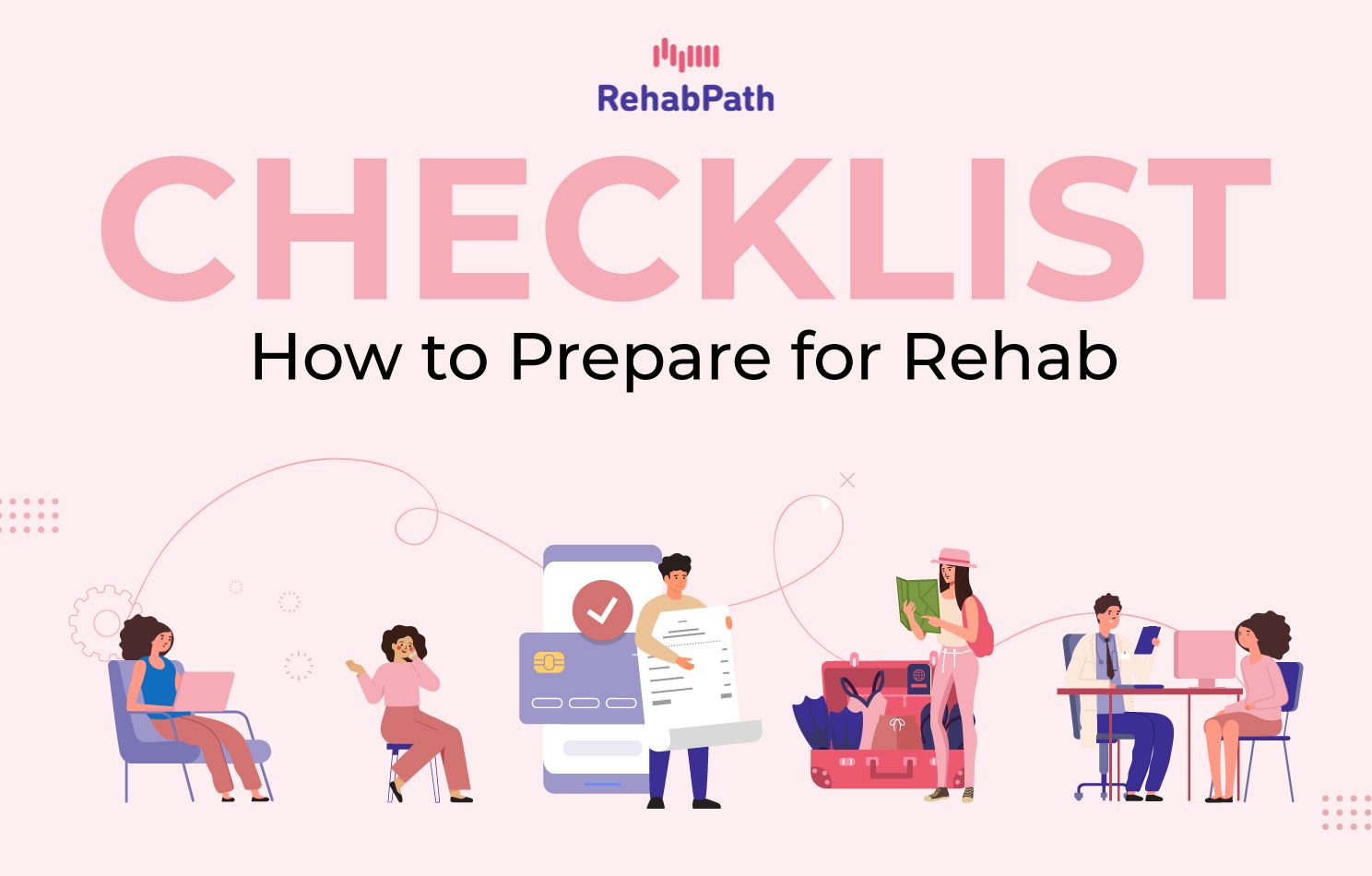
When you decide to go to rehab, you might not have a lot of time to prepare. This is likely an emotionally fraught process, but there are still ways to set yourself up for success. If you can take care of obligations at home before you leave, you won’t have to worry about anything but your recovery while you’re in treatment.
When you’re planning to start an inpatient rehab program, here’s how to prepare for recovery.
Learn More About Rehab
For many people, uncertainty causes a great deal of anxiety.1 So if you’re feeling nervous about treatment, or if you haven’t chosen your program yet, it’s a good idea to do some research about how the process works.
Find the right treatment program for you. Every person’s path to recovery is unique. And if this is your first time seriously considering rehab, you might not even know your options or where to look.
Explore Drug Addiction Treatment Centers
Take Care of Obligations to Your Loved Ones
If you have loved ones who rely on you, like children, dependent adults, or animals, it’s important to make a plan for them before you leave. When you know they’re being cared for, you can focus entirely on your own healing. And with non-dependent loved ones, it’s still helpful to let them know you’re going into treatment. That way they can process their own feelings, and prepare to support you after you come home. This is one way to set your relationship up for success after treatment.
- Tell your loved ones that you’re going to rehab. If it’s difficult for you to talk about, tell just one person that you trust. Then, you can ask them to tell anyone else you’d like to keep informed.
- Offer resources to your support system. If you can empower them to learn more about your addiction or mental health issues, they’ll have more tools to support your recovery.
- Make a care plan for dependents. Know who will take care of them, where they need to go, and how they’ll get there.
- Prepare your home for your sober return, if you’re planning on coming back after rehab. Throw away any drugs or alcohol, drug paraphernalia, and perishable food. Arrange for someone to collect your mail, water your plants, and so on. Turn on your security system if you have one. Do some light cleaning if you feel up to it.
Inform Your Workplace
Aside from your loved ones, it’s also important to let your workplace know that you will be gone.
- Request time off, if you plan on returning to the same job when you come back. If you work in a place where the Family and Medical Leave Act (FMLA) applies, you may be entitled to up to 12 weeks of unpaid leave.2 Check in your employee handbook to see if this applies to you.
- Disclaimer: this post is for general informational purposes only, and should not be construed as legal advice. Do not substitute this information for legal counsel. Speak with a lawyer about your specific rights before taking action.
- You may have special considerations depending on your occupation. If you’re an athlete, executive, or attorney, read more about the different factors that might affect your rehab experience.
Manage Your Financial and Legal Obligations
You may or may not have access to your phone or computer during rehab. And even if you do, you might not have the time or energy to check your email during rehab. If at all possible, it’s best to handle any time-sensitive financial and legal responsibilities before you start treatment.
- Set-up automatic payments for things like your phone, electricity, water, utilities, and credit card bills.
- Contact your legal representative if you have any ongoing legal cases, to make sure they know you’ll be in rehab. If you’re attending rehab because of a court order, you may have to complete paperwork to document the process.
- Talk to your insurance provider to find out if they’ll cover the cost of rehab.
Pack for Residential Treatment
There’s a lot to consider when you’re packing for rehab. Make sure to account for the length of the program, its location, and any special activities, like swimming or yoga. This packing list is an excellent place to start.
- Call your treatment center to ask for specific recommendations.
- Leave the following items at home:
- All drugs and alcohol (including non-approved prescription medications and opened non-prescription medications)
- Pornography
- Weapons of any kind
- Mouthwash, perfumes, or colognes that contain alcohol
- Nail polish or nail polish remover
- Outside food or drinks
Practice Self-Care Throughout Addiction Recovery
Preparing for rehab can be a lot of work. But it’s also an opportunity. You can spend this time centering yourself, and processing how you feel about recovery. Use these skills to meet your emotional needs, even as you take care of practical logistics.
- Use relaxation strategies like breath work or mindful meditation, if you feel anxious about starting treatment.
- Stay present. Once you start treatment, you’ll have plenty of time to plan for the future. And you’ll have professional support while you do. For now, though, thinking too far ahead can be counterproductive. Try your best to stay present. Recovery is an opportunity to create a better life for yourself. Use a journal or other techniques to help you focus on what’s happening right here, right now.
- Stay safe. This can be a stressful time, especially if you’re used to using drugs, alcohol, or self-harming behaviors to cope. But you don’t have to go through it alone. You might want to stay with a friend until your program starts, or ask someone to drive you to rehab. And once you arrive at treatment, you’ll have the support you need.
- Get professional advice before you stop taking drugs. You might feel so motivated to begin recovery that you want to quit cold turkey. However, suddenly quitting some drugs, like opioids or benzos, can be extremely dangerous.3 If you have questions about how to stay safe, talk to a doctor or your rehab center before taking any action.
Start Your Recovery Journey
If you’re ready to find addiction treatment for yourself or a loved one, we’re here to help. Browse top medical detox centers in the US, inpatient addiction treatment facilities, aftercare options, and more to start on the path to recovery. You can search for rehab by insurance carrier, location, amenities, and more for free. Don’t wait. Get help today.
FAQs
-
Grupe, D.W., Nitschke, J.B. (2014, December 24). Uncertainty and Anticipation in Anxiety. https://pmc.ncbi.nlm.nih.gov/articles/PMC4276319/
-
U.S. Department of Labor. (n.d.). Family and Medical Leave (FMLA). https://www.dol.gov/general/topic/benefits-leave/fmla
-
U.S. Food and Drug Administration. (2019, April 9). FDA identifies harm reported from sudden discontinuation of opioid pain medicines and requires label changes to guide prescribers on gradual, individualized tapering. https://www.fda.gov/drugs/drug-safety-and-availability/fda-identifies-harm-reported-sudden-discontinuation-opioid-pain-medicines-and-requires-label-changes

















Our Promise
How Is Recovery.com Different?
We believe everyone deserves access to accurate, unbiased information about mental health and recovery. That's why we have a comprehensive set of treatment providers and don't charge for inclusion. Any center that meets our criteria can list for free. We do not and have never accepted fees for referring someone to a particular center. Providers who advertise with us must be verified by our Research Team and we clearly mark their status as advertisers.
Our goal is to help you choose the best path for your recovery. That begins with information you can trust.