- Addiction
- Mental Health
- About Us
Find Treatment By
Rehabs by Location


Find Treatment By
Learn
About Us
Recovery.com combines independent research with expert guidance on addiction and mental health treatment. Our mission is to help everyone find the best path to recovery through the most comprehensive, helpful network of treatment providers worldwide.
Advisory Council
Our advisory council brings together leaders in behavioral health, technology, and business. Their diverse expertise ensures our resources and product are innovative, evidence-based, and effective. They guide our mission as accomplished individuals dedicated to improving the landscape of addiction recovery and mental wellness.
How to Stop Suicidal Thoughts: Find Support for You or a Loved One

Caroline Beidler, MSW is an author, speaker, and the Managing Editor of Recovery.com. She writes about topics related to addiction, mental health, and trauma recovery, informed by her personal experience and professional expertise.

Dr. Mala, is the Chief Clinical Officer at Recovery.com, where she develops impartial and informative resources for people seeking addiction and mental health treatment.

Caroline Beidler, MSW is an author, speaker, and the Managing Editor of Recovery.com. She writes about topics related to addiction, mental health, and trauma recovery, informed by her personal experience and professional expertise.
Dr. Mala, is the Chief Clinical Officer at Recovery.com, where she develops impartial and informative resources for people seeking addiction and mental health treatment.
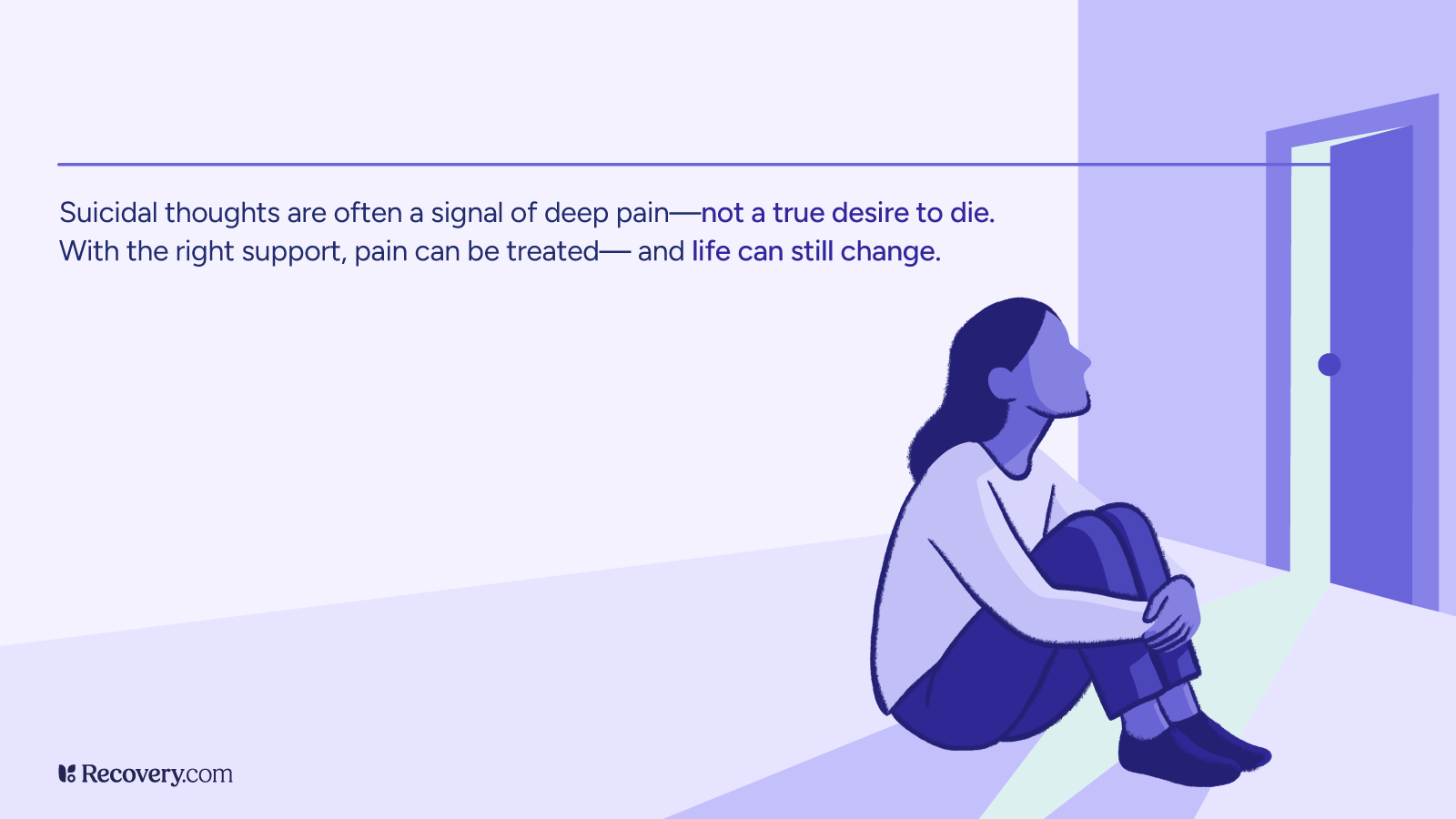
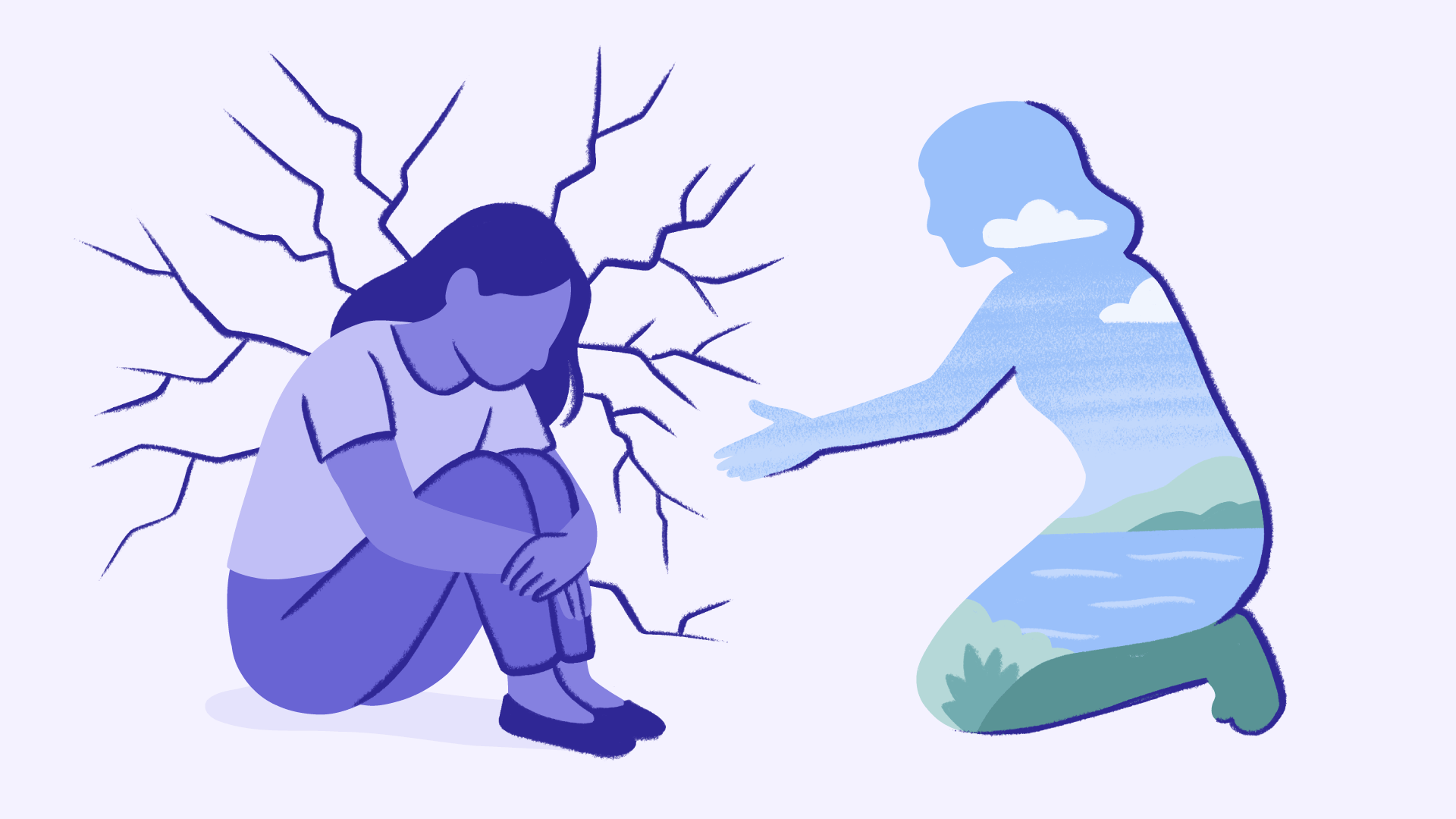
If you’re feeling overwhelmed, hopeless, or unsure how to keep going, please hear this: what you’re feeling is real—and your life deeply matters.
Suicidal thoughts can feel isolating and unbearable, but there is help and there is hope.
Whether you’ve struggled in silence for a long time or these feelings are new and frightening, reaching out for support can be the first step toward relief. Reaching out for help, talking to a mental health professional, or connecting with a support network can make a critical difference.1,2
In your clinical experience, what are the most effective ways to support someone in the midst of a suicidal crisis—and how can everyday people offer meaningful help?

Meeting Yourself Where You Are
When experiencing suicidal thoughts, even basic self-care can feel overwhelming. Instead of setting expectations to immediately build a support network, acknowledge where you are right now. Getting through the next hour, or even the next five minutes, is a valid goal. You can meet yourself where you are with grace and acceptance.
Why Do I Feel Suicidal?
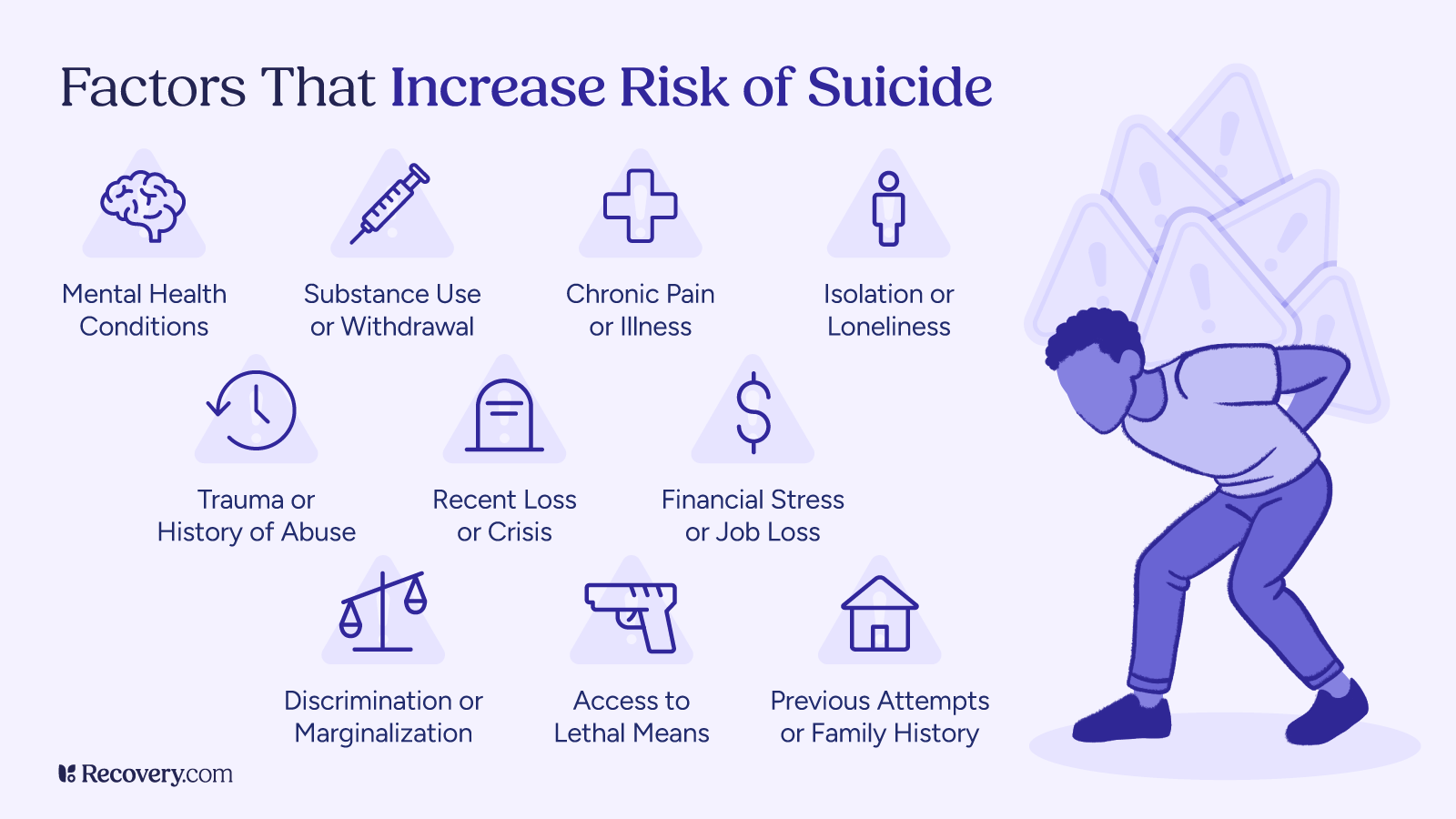
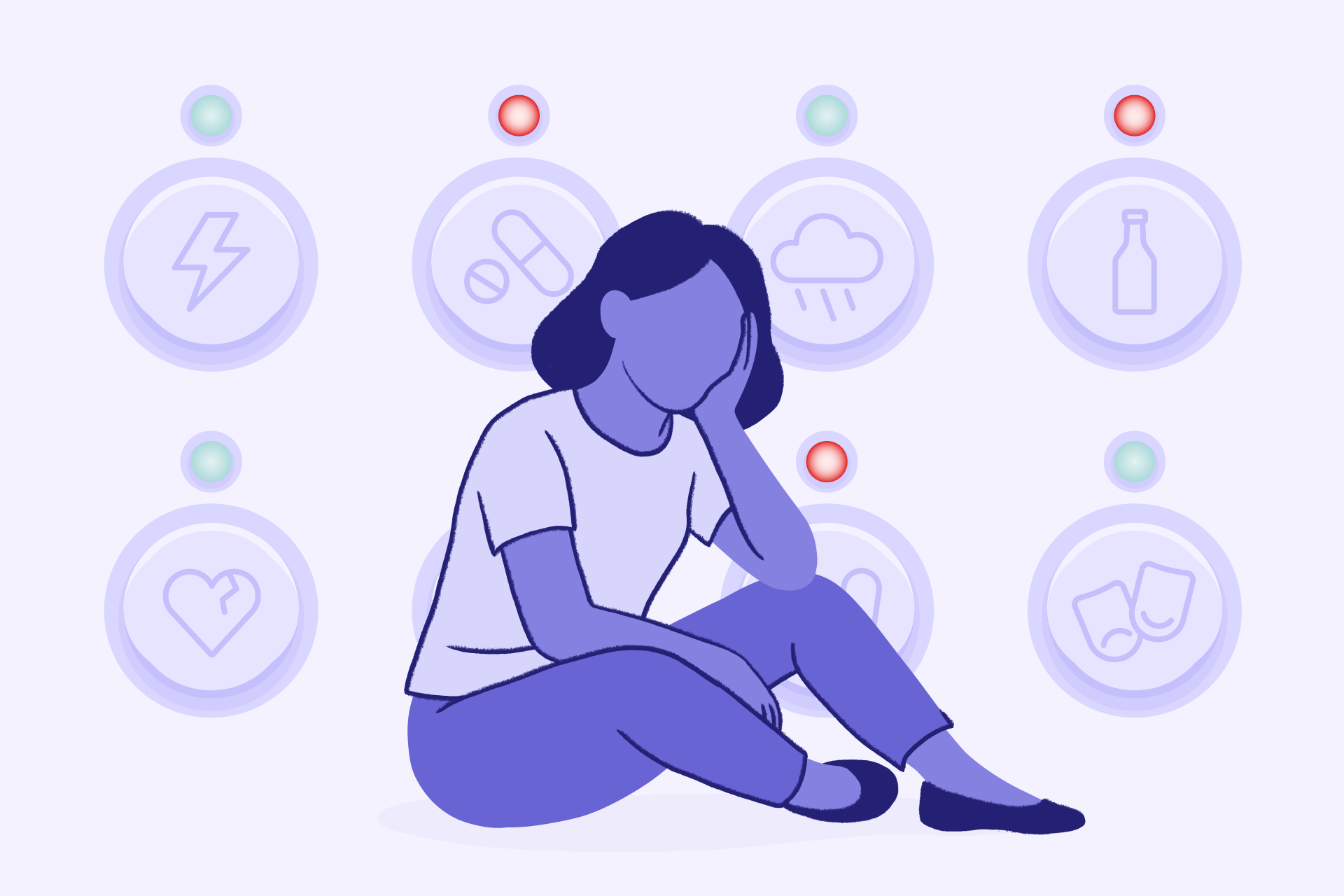
Suicidal feelings often arise from a mix of emotional, psychological, and environmental factors, including:
- Mental health conditions like depression, bipolar disorder, or anxiety3
- Chronic health problems or physical pain4
- Substance use or withdrawal
- Isolation, shame, trauma, or identity-based discrimination
Why Suicide Can Seem Like the Only Option
During a mental health crisis, your ability to think clearly or see alternatives may become impaired. Thoughts of suicide can feel like the only escape from emotional pain, but there are other ways to find relief.
Depression, trauma, or overwhelming stress can cloud your judgment and make it difficult to see beyond your current suffering. This cognitive distortion, where everything feels permanent and hopeless, is a hallmark of suicidal thinking. In these moments, the brain’s ability to process options narrows, making death seem like the only way out.
But suicidal thoughts are symptoms, not truths. With the right support, your perspective can shift, and you can begin to see other ways to reduce pain and reclaim your life.
A Suicidal Crisis Is Almost Always Temporary
Strong suicidal urges often peak and fade. Many people who survive anattempted suicide later report feeling grateful they did not end their lives. Crisis support can help you move through this moment safely.
Intense emotional pain can convince you that it will last forever, but it won’t. Research shows that suicidal thoughts often rise sharply and then fade, much like a wave cresting before it recedes.5
Many people who survive suicide attempts report that they felt differently within minutes, hours, or days. They often express deep relief and gratitude for surviving. If you can ride out the storm—even for a few minutes—it opens the door for healing. Reaching out for help, calling a crisis line, or talking to someone you trust can be the first step toward making it through this moment alive and supported.
Even Problems That Seem Hopeless Have Solutions
You may not see it now, but solutions exist—even if they don’t feel immediately accessible. Talk therapy and peer support can help uncover new ways of coping.6
When you’re overwhelmed, it can feel like your problems are too big or too complex to fix. But even the most painful circumstances like abuse, loss, shame, financial strain, or addiction, can improve with time, care, and support.
Therapies like Cognitive Behavioral Therapy (CBT) and Dialectical Behavior Therapy (DBT) have helped countless people develop tools to manage emotions and rebuild their lives. Peer support groups, faith-based communities, and crisis counselors can also offer perspective and encouragement. You don’t have to solve everything alone, and you don’t have to do it all at once. Small steps can lead to profound change.
If You’re Feeling Suicidal, Take These Immediate Actions
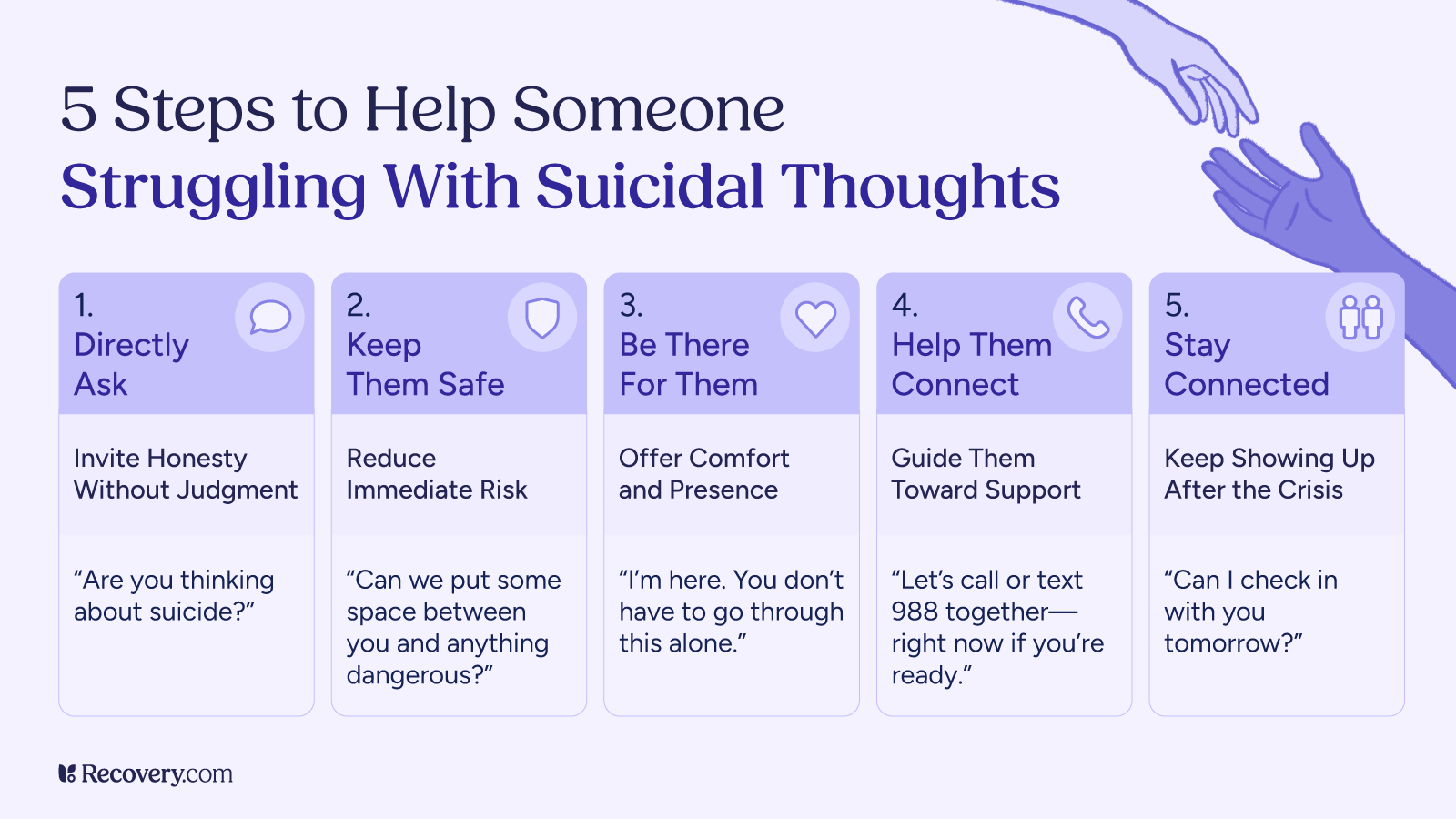
If you are in immediate danger, please call 988 or visit the nearest emergency room. You can also reach out to:
- Aclose friend or family member
- A crisis counselor via988 chat
- A therapist, doctor, or outpatient provider
Small steps can interrupt harmful patterns. Try grounding techniques, journaling, or connecting with someone you trust.
When the urge to self-harm feels strong, commit to waiting—even for just 24 hours. This pause gives you time to access coping strategies and reconnect with support systems.
Suicide Crisis Lines Worldwide
- United States: 988 Suicide & Crisis Lifeline or call/text 9887
- United Kingdom:Samaritans at 116 123
- Canada: Talk Suicide Canada at 1-833-456-4566
- Australia: Lifeline Australia at 13 11 14
- International: Find helplines at Befrienders Worldwide8
Plan Ahead and Create a Suicide Prevention Plan
When you’re struggling with suicidal thoughts—or supporting someone who is—it can be difficult to see a way forward. But creating a suicide prevention plan offers a proactive, lifesaving path through crisis. By identifying support systems, warning signs, and personalized coping tools ahead of time, you can regain a sense of control and safety. The following strategies combine professional care, community support, and daily wellness practices to help prevent suicidal ideation and promote long-term mental health.
- Preventing Suicidal Ideation: Preventing suicidal ideation involves several approaches that address mental health, social connections, and lifestyle factors. Here are some evidence-based strategies:
- Seek Professional Help: Mental health professionals can provide proper diagnosis and treatment for conditions that may contribute to suicidal thoughts, such as depression, anxiety disorders, bipolar disorder, and substance use disorders. This can include therapy, medication, or a combination of both.
- Build a Support Network:9 Maintain regular contact with supportive friends, family members, or support groups who can provide emotional support during difficult times. Having people to talk to openly about feelings can reduce isolation.
- Develop Healthy Coping Skills: Learning healthy ways to manage stress and emotional pain is crucial. This might include mindfulness meditation, deep breathing exercises, physical activity, journaling, or engaging in creative outlets like art or music.
- Create a Safety Plan:10 Having a written plan that outlines warning signs, coping strategies, people to contact for help, and ways to make your environment safe can be invaluable during a crisis. This plan should be easily accessible.
- Limit Access to Means: Reducing access to potentially lethal means, such as firearms or large quantities of medication, is an important preventive measure.11
- Address Substance Use: Alcohol and drugs can worsen suicidal thoughts and impair judgment. Getting help for substance use issues can reduce suicide risk.
- Maintain Physical Health: Regular exercise, adequate sleep, and proper nutrition can positively impact mental health and reduce symptoms that may contribute to suicidal thoughts.
How to Help Someone Who is Suicidal
Experiencing suicidal thoughts or watching a loved one struggle with suicidal feelings can be frightening and overwhelming. It’s important to know that suicidal ideation is often a symptom of underlying mental illness or emotional distress, and help is available.
If someone is showing warning signs such as talking about ending their own life, withdrawing from others, or engaging in self-harm, they may be at immediate risk and need urgent care.
- Encourage them to connect with a mental health professional or call a crisis line like the988 Suicide & Crisis Lifeline can be life-saving. Trained counselors can provide compassionate, non-judgmental support and guide them through mental health crisis situations.
- Offer alternatives like creating a safety plan, joining a support group, or just being part of their support network can reduce their risk of suicide. According to theNational Institute of Mental Health, asking direct questions like “Are you thinking about hurting yourself?” shows concern and does not increase the chance of a suicide attempt—instead, it opens the door for support.
Continued follow-up after a crisis and access to affordable mental health care are essential, especially for those affected by substance abuse or facing barriers to mental health services. Whether you’re a family member, a friend, or a peer, knowing how to help someone by recognizing the signs and connecting them to professional help likeSamaritans or 988 can truly make a difference.
No matter how dark things feel right now, this moment does not define your future.
What do you wish more people understood about the nature of suicidal thoughts, and how can early intervention or mental health literacy reduce stigma and save lives?

It’s okay if reaching out feels impossible right now. When you’re in that kind of pain, asking for help can take more strength than most people will ever understand. Suicidal thoughts can cloud your sense of hope, making it feel like there’s no way out. But, it is important to remember that these thoughts are not permanent. You don’t have to face them alone.
Whether it’s calling a crisis line, confiding in a trusted friend, or simply making it through one more day, every small step is a powerful act of survival. You deserve support. You deserve healing.
There are people who care about you, who want to help you, and who believe in your worth—especially when you’re struggling to see it yourself. Treatment is available that meets you where you are, without judgment or pressure.
FAQs
-
National Institute of Mental Health. (n.d.). Suicide prevention. U.S. Department of Health and Human Services, National Institutes of Health. https://www.nimh.nih.gov/health/topics/suicide-prevention
-
Samaritans. (n.d.). How to support someone you're worried about. https://www.samaritans.org/how-we-can-help/if-youre-worried-about-someone-else/how-support-someone-youre-worried-about/
-
National Institute of Mental Health. (n.d.). Depression. U.S. Department of Health and Human Services, National Institutes of Health. https://www.nimh.nih.gov/health/topics/depression
-
Centers for Disease Control and Prevention. (2024, February 28). Suicide data and statistics. U.S. Department of Health & Human Services. https://www.cdc.gov/suicide/facts/index.html
-
Harvard T.H. Chan School of Public Health. (n.d.). Duration of suicidal crises. Means Matter. https://means-matter.hsph.harvard.edu/means-matter/duration/
-
Samaritans. (n.d.). Campaign with us. https://www.samaritans.org/support-us/campaign/
-
988 Suicide & Crisis Lifeline. (n.d.). 988 Suicide & Crisis Lifeline. https://988lifeline.org/
-
Befrienders Worldwide. (n.d.). Befrienders Worldwide. https://befrienders.org/
-
Deisenhammer, E. A. (2013). Duration of suicidal ideation before suicide attempts. Journal of Affective Disorders, 144(1–2), 112–115. https://doi.org/10.1016/j.jad.2012.05.052
-
Simon, T. R., Swann, A. C., Powell, K. E., Potter, L. B., Kresnow, M., & O’Carroll, P. W. (2001). Characteristics of impulsive suicide attempts and attempters. Suicide and Life-Threatening Behavior, 32(1_suppl), 49–59. https://doi.org/10.1521/suli.32.1.5.49.24212
-
Bostwick, J. M., Pabbati, C., Geske, J. R., & McKean, A. J. (2016). Suicide attempt as a risk factor for completed suicide: Even more lethal than we knew. JAMA, 316(6), 588–589. https://doi.org/10.1001/jama.2016.8490
-
National Institute of Mental Health. (2021, June 21). Understanding the characteristics of suicide in young children. U.S. Department of Health and Human Services, National Institutes of Health. https://www.nimh.nih.gov/news/science-updates/2021/understanding-the-characteristics-of-suicide-in-young-children
-
American Foundation for Suicide Prevention. (n.d.). Policy priority: Disproportionately affected communities and populations. https://afsp.org/policy-priority-disproportionately-affected-communities-and-populations/
-
The Trevor Project. (2025, April 21). Trump administration proposes defunding suicide lifeline for LGBTQ+ youth beginning October 2025. https://www.thetrevorproject.org/blog/trump-administration-proposes-defunding-suicide-lifeline-for-lgbtq-youth-beginning-october-2025/
-
The Trevor Project. (2023, June). Estimate of how often LGBTQ youth attempt suicide in the U.S. https://www.thetrevorproject.org/research-briefs/estimate-of-how-often-lgbtq-youth-attempt-suicide-in-the-u-s/
-
The Trevor Project. (2019, June). Estimating the number of LGBTQ youth who consider suicide in the past year. https://www.thetrevorproject.org/wp-content/uploads/2019/06/Estimating-Number-of-LGBTQ-Youth-Who-Consider-Suicide-In-the-Past-Year-Final.pdf














Our Promise
How Is Recovery.com Different?
We believe everyone deserves access to accurate, unbiased information about mental health and recovery. That's why we have a comprehensive set of treatment providers and don't charge for inclusion. Any center that meets our criteria can list for free. We do not and have never accepted fees for referring someone to a particular center. Providers who advertise with us must be verified by our Research Team and we clearly mark their status as advertisers.
Our goal is to help you choose the best path for your recovery. That begins with information you can trust.