- Addiction
- Mental Health
- About Us
Find Treatment By
Rehabs by Location


Find Treatment By
Learn
About Us
Recovery.com combines independent research with expert guidance on addiction and mental health treatment. Our mission is to help everyone find the best path to recovery through the most comprehensive, helpful network of treatment providers worldwide.
Advisory Council
Our advisory council brings together leaders in behavioral health, technology, and business. Their diverse expertise ensures our resources and product are innovative, evidence-based, and effective. They guide our mission as accomplished individuals dedicated to improving the landscape of addiction recovery and mental wellness.
Learning to Manage OCD in Rehab

Hannah is a holistic wellness writer who explores post-traumatic growth and the mind-body connection through her work for various health and wellness platforms. She is also a licensed massage therapist who has contributed meditations, essays, and blog posts to apps and websites focused on mental health and fitness.

Hannah is a holistic wellness writer who explores post-traumatic growth and the mind-body connection through her work for various health and wellness platforms. She is also a licensed massage therapist who has contributed meditations, essays, and blog posts to apps and websites focused on mental health and fitness.
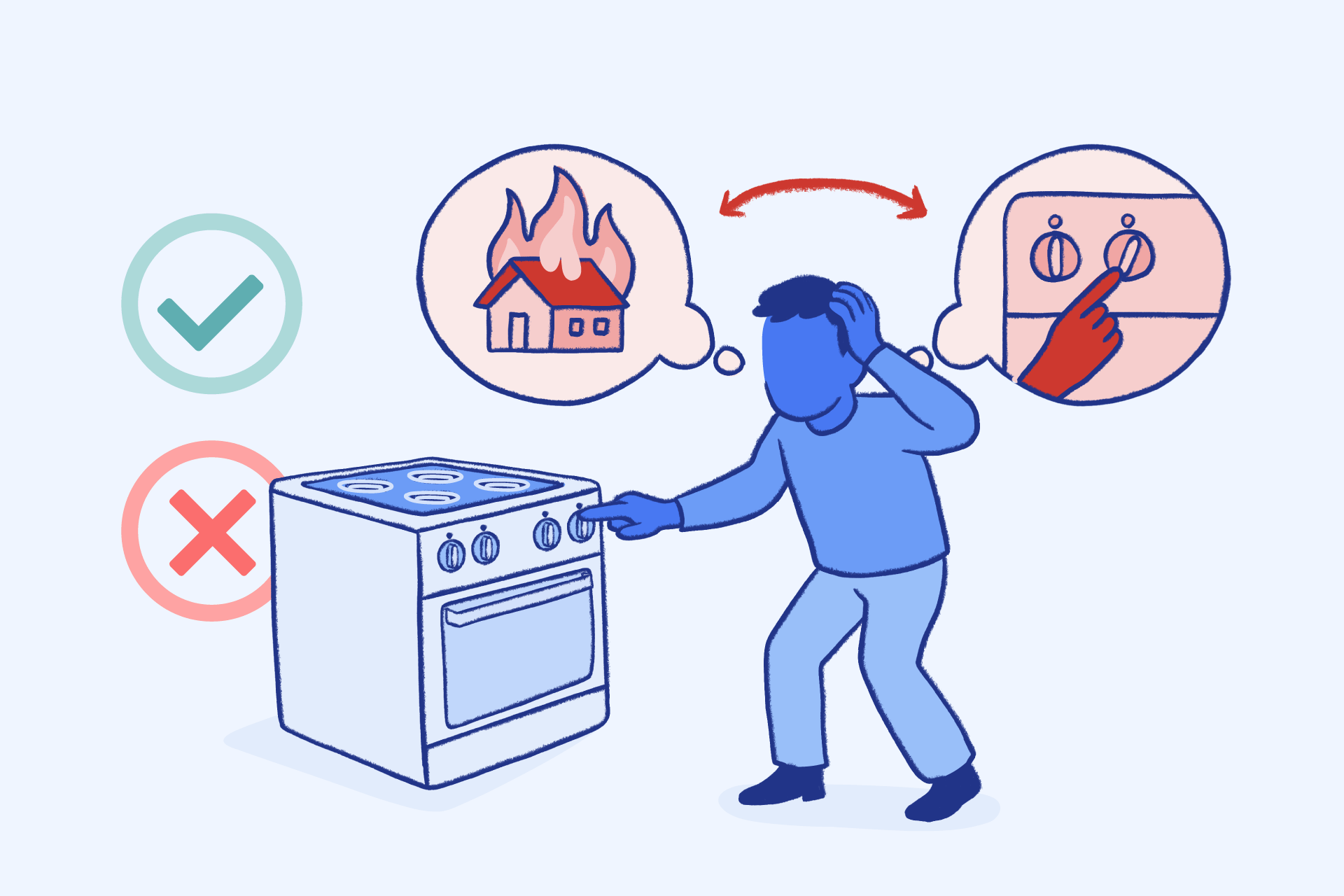
Unmanaged obsessive-compulsive disorder (OCD) is often debilitating. Its unwanted thoughts and repetitive behaviors can take over your life. These symptoms can also damage your relationships, leaving you isolated from support.
Your intrusive thoughts don’t have to define you. With the right treatment, you can find relief from the symptoms of OCD. You can also learn to manage your response to any symptoms that remain. That way, you can live a rich and meaningful life—even if your thoughts are sometimes challenging. For many people, that journey begins in a rehab program that treats OCD.
Types of Treatment for OCD
Treatment for people with OCD usually includes medication, talk therapy, or a combination of the two.1 And according to research, psychotherapy can be just as effective as medication. Your healthcare team can help you choose which options are best for you. And your treatment plan may change over time, as you get better at managing your symptoms.
Inpatient rehab is a highly effective treatment for patients with OCD.2 This is especially true for people with co-occurring disorders. In one study, patients showed improvement after just 3 weeks of residential treatment. During your time in rehab, you might try a number of different therapies.
Explore Obsessive Compulsive Disorder (OCD) Treatment Centers
Cognitive Behavioral Therapy (CBT)
CBT is an extremely popular form of behavioral therapy. It is used as a treatment for several mental health conditions, including addiction. And there is a “wide consensus among researchers and clinicians that CBT is an effective treatment for OCD.”3
This treatment can be accurately described as either talk therapy or behavioral therapy. During a CBT session, you’ll sit in a therapist’s office and have a conversation with them. However, that conversation will focus on specific behaviors to help you through recovery. Over time, you’ll learn practical skills for responding to overwhelming thoughts and feelings.
Exposure and Response Prevention (ERP or EX/RP)
This specialized type of CBT is designed to target OCD symptoms. ERP is currently the best-proven behavioral therapy for OCD treatment.3 In ERP, like most other exposure therapies, patients are exposed to triggering situations. Your therapist will prevent you from responding with compulsive behavior.
For example, you might feel compelled to wash your hands after touching a certain object. In ERP, you’d start by touching that object. Then, you’d talk to your therapist about your intrusive thoughts. This process lets you work through triggers, instead of giving in to your compulsions. If this sounds too intimidating, you can always start small. Your therapist will help you eventually try it in a safe, supervised setting.
Medication
If a doctor prescribes medication to manage your OCD symptoms, such as Prozac.1 SSRIs are some of the most commonly-prescribed drugs for OCD. You may not see improvements right away—it can take up to 8-12 weeks—but these meds can be highly effective.
If you have co-occurring disorders, the right medication can help you heal from more than 1 diagnosis. Research even suggests that SSRIs can help some people with OCD heal from addictions.4 If you’d like to try taking medication for OCD, make sure to share your complete health history with your doctor. They may be able to help you heal from more than 1 diagnosis with a single form of treatment.
Transcranial Magnetic Stimulation (TMS)
TMS is an alternative, non-invasive treatment for OCD.1 If other treatments haven’t worked for you, this might be an effective solution. During each session, your provider attaches an electromagnetic coil to your head. The coil produces a magnetic field that creates changes in targeted areas of the brain. Your doctor will tailor your treatment plan to meet your needs, but you can expect to attend these sessions for several weeks. It may take a number of treatments to see improvements in your OCD symptoms.
Fighting the Stigma of Mental Illness
OCD is often misunderstood. People who don’t have this condition often use the term casually. This can be invalidating and even stigmatizing. There’s a big difference between liking cleanliness and having OCD.
OCD is a serious diagnosis.5 In fact, it’s 1 of the top 10 causes of disability around the world. Obsessive-compulsive disorder consists of unwanted, uncontrollable, and recurring thoughts called “obsessions.”1 These thoughts are often accompanied by repeated or ritualistic behaviors called “compulsions.” You may experience either 1 or both of these sets of symptoms.
Your symptoms may affect your daily life and give you a constant sense of stress or anxiety. Intrusive thoughts can be disturbing, especially if they include hostile or violent imagery. You may feel some relief when you act out a compulsive behavior. But unfortunately, your anxious feelings will most likely come creeping back soon after.
You may also experience motor tics as a symptom of OCD. These are abrupt, involuntary, repetitive movements. Some people may also experience vocal tics, or repeated sounds. Common motor and vocal tics include, but aren’t limited to, the following:
- Eye blinking and other eye movements
- Facial grimacing
- Shoulder shrugging
- Head or shoulder jerking
- Throat-clearing
- Sniffing
- Grunting sounds
These characteristics of OCD are very different from just liking a clean space. Caring about cleanliness doesn’t mean you have unwanted thoughts and compulsive behaviors. OCD can also make you vulnerable to other mental health issues—including addiction.
The Link Between OCD and Drug Addiction
OCD and drug abuse often appear together.6 Their exact rate of co-occurrence is unknown, because OCD is so underreported.7 This may be partly due to the stigma around this condition.
But several studies have estimated the prevalence of addiction among people with OCD. In one, people with OCD appeared almost 7 times more likely to have a drug-related disorder.4 Another study found that almost ⅓ of veterans with OCD also had a history of addiction.8
Why Are People With OCD Vulnerable to Addiction?
There are several theories that may explain why likelihood of addiction and OCD go hand in hand:
- Doctors often prescribe sedatives to people with OCD, which can eventually lead to misuse.4
- Some people may start taking drugs to cope with OCD symptoms.6
- OCD and addiction might affect the reward processing center in the brain.9
- Genetics may play a role in both OCD and addiction.
- People with OCD tend to be more impulsive, which may make them more likely to try substances.
If you attend rehab for OCD, you can get assessed and treated for other issues while you’re there. This is hugely important for people who are also recovering from addiction. It can also be helpful for people with other diagnoses.
OCD and Other Co-Occurring Disorders
OCD also frequently co-occurs with other disorders—not just addiction.6 Research suggests that at least 90% of people with OCD also have at least 1 other diagnosis.
OCD & Behavioral Addictions (BAs)
Behavioral addictions, like internet addiction, can co-occur with OCD.10 A person with a behavioral addiction can’t stop what they’re doing, in spite of obvious negative impacts. Common BAs include internet, gambling, and sex addictions.
These conditions might even look similar to OCD. In either case, you may feel relief when you do a certain activity, even if it causes measurable harm. Both people with BAs and people with OCD show increased impulsivity. And in fact, experts believe this trait might make people with OCD more vulnerable to BAs.
OCD & Other Mental Health Conditions
Because OCD affects so many aspects of your life, it can put you at risk for other mental health conditions.6 You may isolate yourself or stop doing activities you used to enjoy. Being in public, where you can’t control the environment, might make you even more anxious. These are some of the most common mental health issues to occur alongside OCD:
- Depression
- Generalized anxiety disorder
- Social phobia
- Specific phobias
- Panic disorder
- Post-traumatic stress disorder
Like any other diagnosis, the issues on this list can have many causes. However, if they develop because of your OCD, then they won’t heal unless you treat it. And when you’re ready to make that change, inpatient treatment can help.
You Are Not Alone
Mental health struggles can feel isolating, but compassionate care is within reach. Browse our comprehensive list of inpatient mental health facilities and residential treatment centers for depression, trauma, anxiety, and more. Healing is possible; find mental health help for yourself or a loved one today.
FAQs
-
Obsessive-compulsive disorder. (n.d.). National Institute of Mental Health (NIMH). Retrieved June 6, 2022. https://www.nimh.nih.gov/health/topics/obsessive-compulsive-disorder-ocd
-
Grøtte, T., Hansen, B., Haseth, S., Vogel, P. A., Guzey, I. C., & Solem, S. (2018). Three-week inpatient treatment of obsessive-compulsive disorder: A 6-month follow-up study. Frontiers in Psychology, 9, 620. https://doi.org/10.3389/fpsyg.2018.00620
-
Pittenger, C., Kelmendi, B., Bloch, M., Krystal, J. H., & Coric, V. (2005). Clinical treatment of obsessive compulsive disorder. Psychiatry (Edgmont), 2(11), 34–43. https://www.ncbi.nlm.nih.gov/pmc/articles/PMC2993523/
-
Virtanen, S., Kuja-Halkola, R., Sidorchuk, A., Fernández de la Cruz, L., Rück, C., Lundström, S., Suvisaari, J., Larsson, H., Lichtenstein, P., Mataix-Cols, D., & Latvala, A. (2022). Association of obsessive-compulsive disorder and obsessive-compulsive symptoms with substance misuse in 2 longitudinal cohorts in sweden. JAMA Network Open, 5(6), e2214779. https://doi.org/10.1001/jamanetworkopen.2022.14779
-
Sharma, E., & Math, S. B. (2019). Course and outcome of obsessive–compulsive disorder. Indian Journal of Psychiatry, 61(Suppl 1), S43–S50. https://doi.org/10.4103/psychiatry.IndianJPsychiatry_521_18
-
Substance Abuse and Mental Health Services Administration. (2016). Obsessive-Compulsive Disorder and Substance Use Disorders. Advisory, Volume 15, Issue 3.
-
Brock, H., & Hany, M. (2022). Obsessive-compulsive disorder. In StatPearls. StatPearls Publishing. http://www.ncbi.nlm.nih.gov/books/NBK553162/
-
Ecker, A. H., Stanley, M. A., Smith, T. L., Teng, E. J., Fletcher, T. L., Van Kirk, N., Amspoker, A. B., Walder, A., McIngvale, E., & Lindsay, J. A. (2019). Co-occurrence of obsessive-compulsive disorder and substance use disorders among u. S. Veterans: Prevalence and mental health utilization. Journal of Cognitive Psychotherapy, 33(1), 23–32. https://doi.org/10.1891/0889-8391.33.1.23
-
Apa psycnet. (n.d.). Retrieved June 7, 2022. https://psycnet.apa.org/record/2019-72315-006
-
Rai, D., Jaisoorya, T. S., Narayanaswamy, J. C., Arumugham, S. S., & Janardhan Reddy, Y. C. (2022). Behavioural addictions in obsessive compulsive disorder – Prevalence and clinical correlates. Psychiatry Research Communications, 2(1), 100016. https://doi.org/10.1016/j.psycom.2021.100016














Our Promise
How Is Recovery.com Different?
We believe everyone deserves access to accurate, unbiased information about mental health and recovery. That's why we have a comprehensive set of treatment providers and don't charge for inclusion. Any center that meets our criteria can list for free. We do not and have never accepted fees for referring someone to a particular center. Providers who advertise with us must be verified by our Research Team and we clearly mark their status as advertisers.
Our goal is to help you choose the best path for your recovery. That begins with information you can trust.