- Addiction
- Mental Health
- About Us
Find Treatment By
Rehabs by Location


Find Treatment By
Learn
About Us
Recovery.com combines independent research with expert guidance on addiction and mental health treatment. Our mission is to help everyone find the best path to recovery through the most comprehensive, helpful network of treatment providers worldwide.
Advisory Council
Our advisory council brings together leaders in behavioral health, technology, and business. Their diverse expertise ensures our resources and product are innovative, evidence-based, and effective. They guide our mission as accomplished individuals dedicated to improving the landscape of addiction recovery and mental wellness.
Mental Health Test: 10 Questions to Understand Your Symptoms and Find Out If You Need Help

Caroline Beidler, MSW is an author, speaker, and the Managing Editor of Recovery.com. She writes about topics related to addiction, mental health, and trauma recovery, informed by her personal experience and professional expertise.
Caroline Beidler, MSW is an author, speaker, and the Managing Editor of Recovery.com. She writes about topics related to addiction, mental health, and trauma recovery, informed by her personal experience and professional expertise.
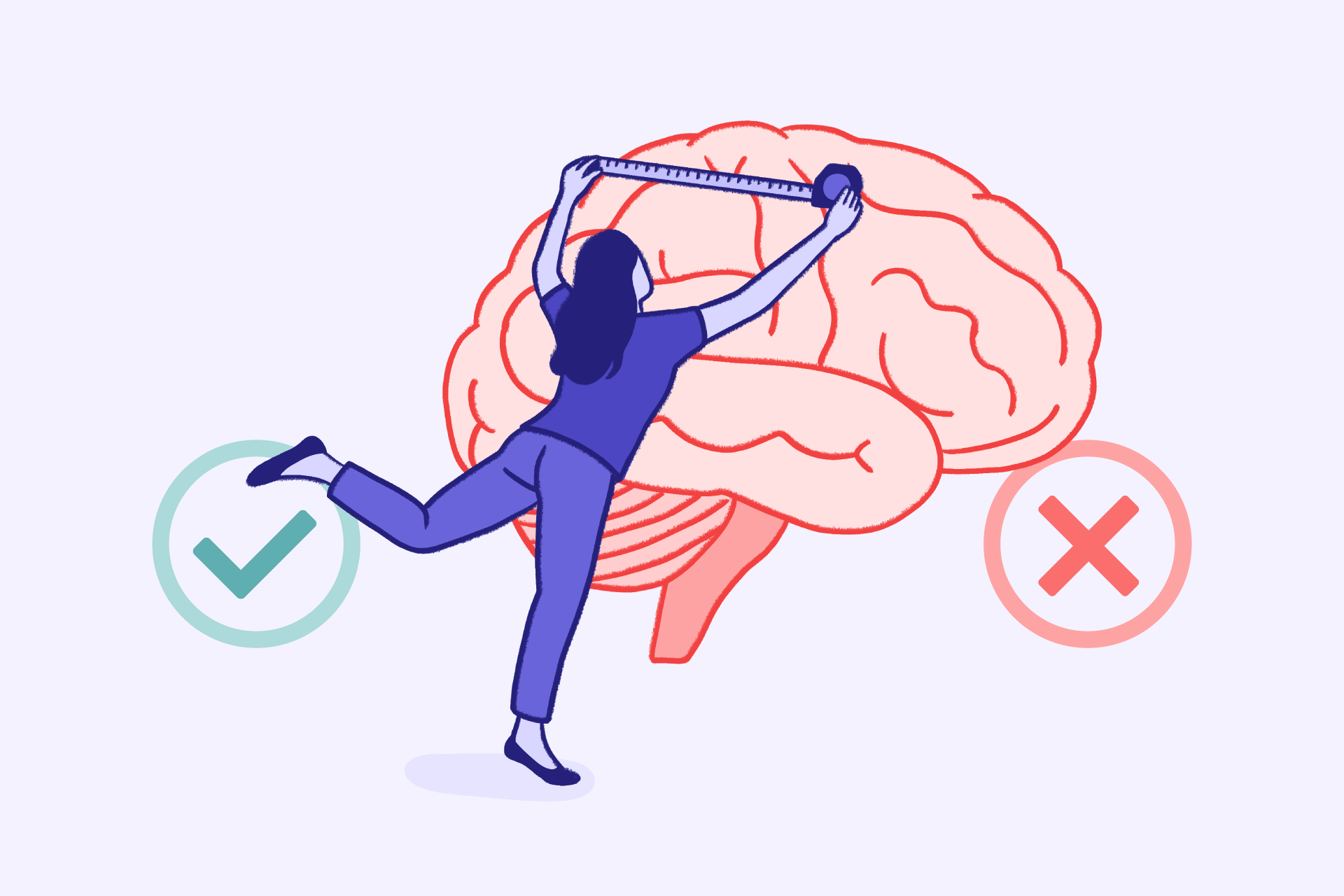
Do you feel overwhelmed, irritable, numb, or unlike yourself, but can’t quite figure out why? Many people experience symptoms of mental health conditions for years without clear direction. That’s where a mental health test can help.
A mental health screening is a simple tool that helps identify symptoms of common mental disorders like depression, anxiety, ADHD, bipolar disorder, and more. These online mental health tests are not diagnostic, but they can be a powerful first step toward understanding what’s going on beneath the surface.
This self-assessment is free, anonymous, and doesn’t require signup.
Disclaimer: This test is intended for informational purposes only. It is not a substitute for a clinical diagnosis or mental health assessment by a licensed professional. If you’re struggling with mental health problems, talk to a qualified healthcare provider or mental health professional for proper evaluation and support.
What Is a Mental Health Test?
A mental health test, or mental health screening, is a questionnaire designed to highlight symptoms associated with mental health issues such as:
- Anxiety disorders
- Depression or mood disorders
- Post-traumatic stress disorder (PTSD)
- Bipolar disorder
- Attention-deficit hyperactivity disorder (ADHD)
- Obsessive-compulsive disorder (OCD)
- Personality disorders
These screening tools don’t provide a diagnosis, but they offer insight into whether your symptoms match those commonly seen in specific mental health conditions.
Who Might Consider Taking One?
Mental health assessments can benefit anyone who:
- Feels “off” emotionally, mentally, or physically for an extended time
- Struggles with concentration, mood swings, or low motivation
- Experiences panic attacks or social anxiety
- Notices changes in appetite, sleep, or energy
- Is concerned about substance use, postpartum depression, or trauma
Even if your symptoms are mild, early awareness can help prevent more serious issues down the line.
Explore Anxiety Treatment Centers
Common Online Mental Health Tests
Online tests often include brief, targeted questionnaires that screen for specific mental health symptoms. Here are some widely used examples from Recovery.com.
1. Anxiety Test
Screens for anxiety. Questions focus on excessive worry, restlessness, and trouble relaxing.
2. Depression Test
Assesses depressive symptoms such as low mood, hopelessness, and suicidal ideation.
3. ADHD Test
Used to identify signs of adult ADHD, including inattention, fidgeting, impulsivity, and poor task management.
4. PTSD Test
Highlights signs of post-traumatic stress disorder like flashbacks, avoidance, and emotional numbness.
5. Bipolar Test
Screens for mood swings between depressive lows and manic or hypomanic highs (elevated energy, risky behavior).
6. OCD Test
Assesses for obsessive thoughts and compulsive behaviors such as repetitive checking or handwashing.
There are additional screening tools that are commonly used by clinicians and healthcare professionals as part of a broader evaluation process, but these Y/N assessments are available for self-reflection online.
What The Mental Health Test Measures
Most mental health assessments ask about your emotional, behavioral, and cognitive experiences over the past two weeks to month. Topics might include:
- Sadness, hopelessness, or irritability
- Anxiety, panic, or physical symptoms (e.g., heart racing)
- Intrusive or unwanted thoughts
- Substance use or alcohol use to cope
- Changes in eating, sleeping, or energy levels
- Difficulty concentrating or following through on tasks
- Mood instability, emotional outbursts, or detachment
- Distorted body image or eating disorder behaviors
- Hallucinations, delusions, or paranoia
Some tests focus on one area; others offer a broader look at general well-being. The results can help guide whether it’s time to speak with a mental health professional.
What a Mental Health Test Can (and Can’t) Tell You
Mental health screenings are valuable, but they’re not comprehensive. A high score may suggest a mental disorder, while a low score doesn’t always mean you’re in the clear.
Here’s what to keep in mind:
A mental health test can:
- Alert you to potential mental health conditions
- Help normalize your experience and reduce stigma
- Encourage seeking professional care
- Start a conversation with a clinician or loved one
It can’t:
- Diagnose a specific disorder
- Capture the full complexity of your emotional and physical health
- Replace personalized care from a licensed mental health provider
- Predict future mental health outcomes
Signs You May Be Experiencing a Mental Health Issue
Even without a formal test, the following symptoms could indicate an underlying mental health condition:
- Persistent sadness, worry, or hopelessness
- Rapid mood changes or emotional outbursts
- Trouble managing work, school, or daily life
- Avoiding social situations or isolating from loved ones
- Thoughts of self-harm or suicidal ideation
- Substance use as a way to cope
- Distorted thoughts, paranoia, or hearing voices
If these experiences interfere with your well-being or quality of life, it’s worth exploring further with a professional.
When to See a Mental Health Professional
If your self-test suggests moderate to severe symptoms, or if your distress is affecting relationships, work, or physical health, reach out for help. Mental health professionals such as therapists, counselors, psychiatrists, and psychologists are trained to:
- Provide formal mental health assessments
- Diagnose mental health disorders
- Offer evidence-based psychotherapy
- Prescribe and manage medications when needed
- Create treatment plans tailored to your specific needs
There is no shame in seeking help—getting the support you need is a sign of strength, not weakness.
You’re Not Alone
Mental health conditions are common—and treatable. Whether you’re dealing with anxiety, depression, trauma, or attention difficulties, healing is possible.
Effective treatments include:
- Psychotherapy (e.g., cognitive behavioral therapy, dialectical behavior therapy)
- Medication for anxiety, depression, bipolar disorder, or ADHD
- Support groups and peer-led recovery programs
- Lifestyle changes that improve physical and mental wellness
- Integrated care that treats both substance use and mental health problems
Mental health recovery looks different for everyone. But the first step is always awareness. A mental health test won’t solve everything, but it can be the light that shows the path forward.
If something feels off, trust that feeling. You don’t need to wait for a crisis to take your mental health seriously. Help is available, healing is real, and you’re worth the effort it takes to feel well.
There Is Hope for Recovery
Addiction is treatable, and a life of freedom is possible. Connect with drug and alcohol treatment centers that specialize in your specific needs, from holistic care to medication-assisted treatment. Don’t wait another day to get help; find a recovery program that works for you.
FAQs


















Our Promise
How Is Recovery.com Different?
We believe everyone deserves access to accurate, unbiased information about mental health and recovery. That's why we have a comprehensive set of treatment providers and don't charge for inclusion. Any center that meets our criteria can list for free. We do not and have never accepted fees for referring someone to a particular center. Providers who advertise with us must be verified by our Research Team and we clearly mark their status as advertisers.
Our goal is to help you choose the best path for your recovery. That begins with information you can trust.