- Addiction
- Mental Health
- About Us
Find Treatment By
Rehabs by Location


Find Treatment By
Learn
About Us
Recovery.com combines independent research with expert guidance on addiction and mental health treatment. Our mission is to help everyone find the best path to recovery through the most comprehensive, helpful network of treatment providers worldwide.
Advisory Council
Our advisory council brings together leaders in behavioral health, technology, and business. Their diverse expertise ensures our resources and product are innovative, evidence-based, and effective. They guide our mission as accomplished individuals dedicated to improving the landscape of addiction recovery and mental wellness.
Starting Your Journey: A Guide to Addiction and Mental Health Recovery

As a Clinical Research Specialist, writer, and person with lived experience in mental health recovery, Grace blends clinical research with honest storytelling to inspire healing and hope. In her free time, she enjoys writing books for young adults, an age when she needed stories the most.

Dr. Mala, is the Chief Clinical Officer at Recovery.com, where she develops impartial and informative resources for people seeking addiction and mental health treatment.

As a Clinical Research Specialist, writer, and person with lived experience in mental health recovery, Grace blends clinical research with honest storytelling to inspire healing and hope. In her free time, she enjoys writing books for young adults, an age when she needed stories the most.
Dr. Mala, is the Chief Clinical Officer at Recovery.com, where she develops impartial and informative resources for people seeking addiction and mental health treatment.
Seeking help for addiction and mental health recovery is one of the most important steps you can take in your journey; however, beginning the process can seem daunting and confusing. This guide can help you know where to start, understand your options, and make informed decisions that are best for your recovery needs.
Explore Licensed for Both Addiction & Mental Health Treatment Centers
Acknowledge the Need for Help
Recognizing the signs of addiction and mental health concerns is a great step towards recovery. The symptoms you experience will vary by your condition and its severity, but you can expect to notice key impacts on your personal and business life if you’re experiencing a mental health concern, eating disorder, addiction, or other behavioral health issue.
Relationships
Your interpersonal relationships may become neglected if you don’t feel mentally well enough to nurture them and spend time with others. For example, you may fall into a pattern of isolation or cut off friends and family.
Employment
Your work performance can decline if you’re suffering from the mental and physical effects of substance use or mental health conditions. It may feel hard to concentrate, meet deadlines, and communicate with your coworkers.
Personality Change
You may not feel like yourself anymore; something seems off and you may feel perpetually down. Friends and loved ones may notice this as well.
Change in Interests
What used to interest, entertain, or excite you may suddenly feel boring or like too much effort. Neglecting hobbies and self-care are both examples of this.
If you notice similar effects and symptoms in your life, know help is available.
Overcoming Barriers to Seeking Help
Remember that getting help and taking care of yourself is never weak—it’s quite the opposite. Stigma can prevent people from seeking treatment, making it seem shameful or weak to get help. When you take care of yourself, you enable yourself to perform better in all areas of life and take care of your loved ones.1
Where you’re at now, even if it’s uncomfortable, is a place you know. Seeking help and going into treatment is a new experience, so it can seem daunting at first. It can even seem easier to stay where you’re at now and hope things get better on their own.
To overcome this resistance to change and inspire hope, you can try making a list of all the reasons you want to go to treatment. Use this list to continually remind yourself of your goals and why getting help is so important for your wellbeing and success. Write down your dreams too, and know getting help can move you one step closer to them becoming reality.
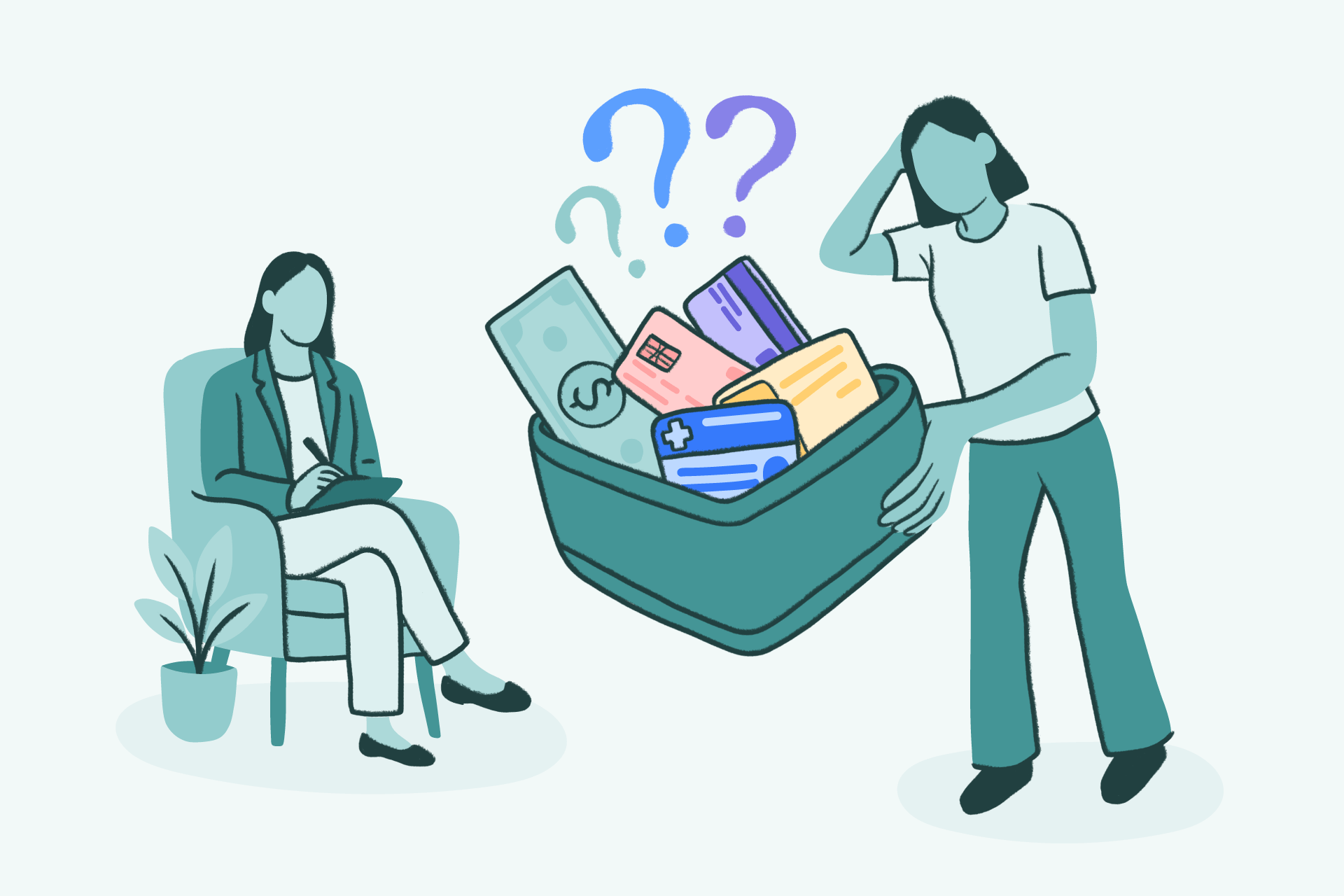
You can navigate treatment costs and insurance coverage by checking if a facility accepts your insurance. They’ll often have a free insurance verification form you can fill out online. If you don’t have insurance or they don’t accept yours, you can set up a payment plan or apply for a treatment scholarship if it’s available.
Finding the Right Support System
Support from others can help you overcome fear and resistance surrounding treatment. Tell a loved one, mentor, or trusted friend you think you need treatment. They can help you research your options, provide emotional support, and even go with you to appointments.
Mental health professionals can and should be part of your support system. You may find support through your therapist, peers in group therapy, or in a peer-led support system like 12-Step groups (Alcoholics Anonymous or Narcotics Anonymous) or SMART recovery groups (non-12-Step-based). Your religious organization, if you have one, can also offer support and spiritual counseling.
Taking the First Steps Toward Recovery
After recognizing your need for help, you can then make the decision to get help. Make this promise to yourself and your support system, if applicable. Let this decision encourage you and offer hope, too.
Make sure you also commit to the journey. It likely won’t be perfect, and that’s okay; aim for progress, not perfection. One way you can do this is through realistic goal-setting. For example, you could set a goal to find a treatment program and set a start date, versus looking to be “cured” in the next 3 weeks. Be kind to yourself and remember each person has their own unique journey with ups and downs.
Your primary care provider can help you start the journey. You can ask them any of the following questions to see what they recommend and how they suggest you begin your recovery:
- What level of care do you think I need?
- What do my symptoms entail? Help me learn more about this condition and its treatment options.
- Would medication benefit me? What may the side effects be?
- Do I need to detox? (Describe what you’ve been taking, how much, and for how long, if applicable.)
- What coping tools or stress-management techniques do you recommend?
- What’s my next step after this appointment?
Then, once you find a program or therapist that’s a good fit for you, you can check to see if they take your insurance and figure out how payments work to offer you peace of mind.
Creating a Recovery Plan
Once you’ve contacted treatment providers, you’ll create a recovery plan with your healthcare professionals. This plan outlines your course of treatment and identifies areas you need specialized care, such as trauma recovery. Your plan will detail the level of care you need, which may include one or all of the options below.
- Residential treatment,where you live on-site and participate in daily activities, therapy, and peer groups with 24/7 monitoring. You may also detox in this level of care.
- Day treatment, with 30+ hours of weekly treatment during the day; you go home or to sober living in the evenings.
- Intensive outpatient, with 20+ hours of weekly therapy typically offered in the morning, afternoon, or evening to accommodate work schedule and personal obligations.
- General outpatient, which includes 1-3 group sessions weekly.
Your care plan will include skill building and resources to address triggers and potential relapse risks that you may encounter on your road to recovery. Coping tools and relapse prevention strategies can sustain recovery post-treatment. You may also create a safety plan to manage suicidal thoughts and self-harm.
Implementing Healthy Coping Mechanisms
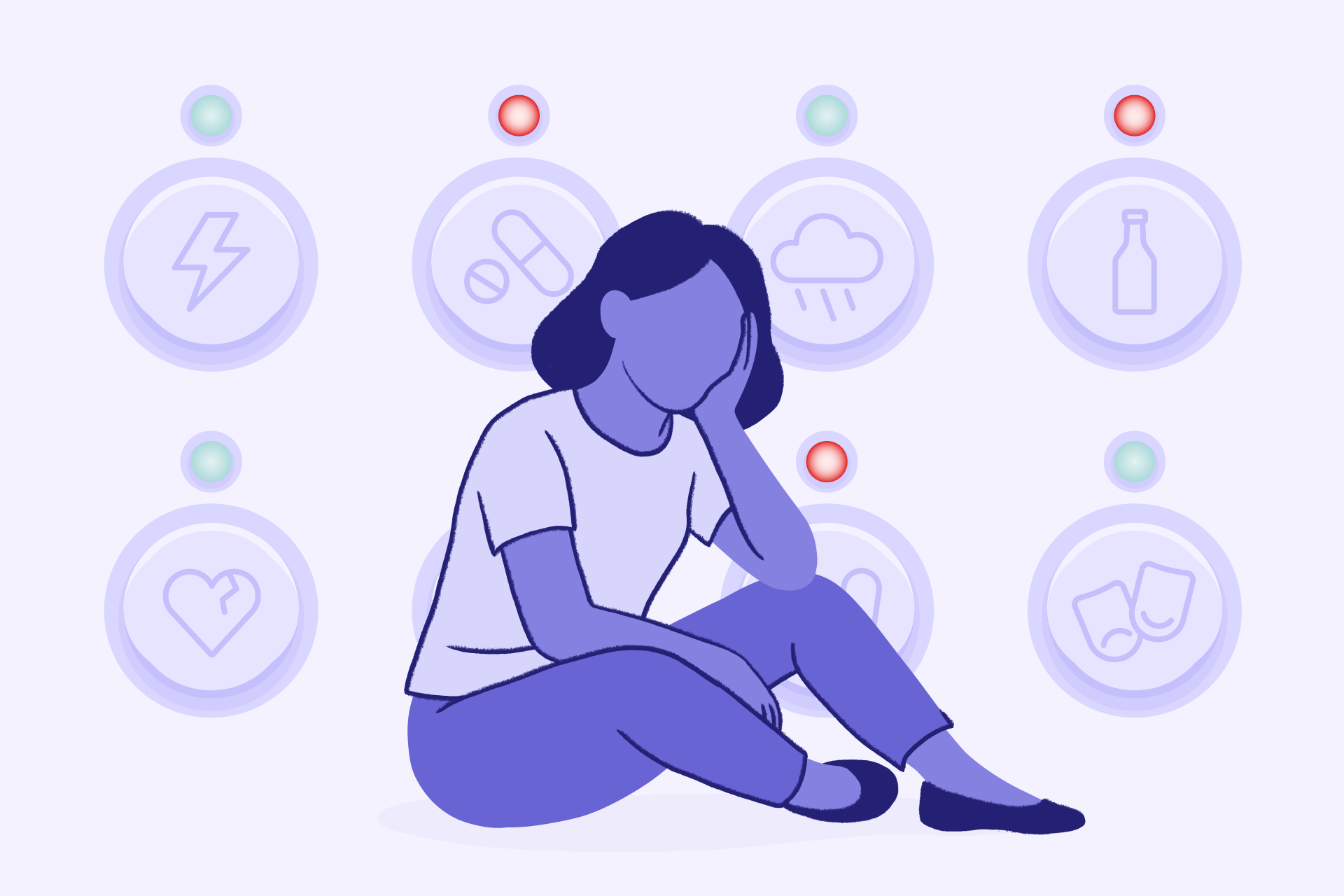
Negative and intense emotions are both normal and expected in recovery. Having coping mechanisms in-hand can prepare you for low moments and inspire resiliency. A few stress-management and coping strategies you can use (plus the personalized ones you’ll learn in treatment) include:
- Daily routines to establish structure and normalcy.
- Exercise to strengthen your mind and body, and to process strong emotions.
- Self-care such as journaling, hygiene, and resting to manage discomfort and negativity.
- Creative outlets like drawing, painting, making music, or writing to release and process emotions.
- Talking to friends or loved ones when you feel overwhelmed or alone.
- Setting time aside to enjoy hobbies and relaxing activities, like reading or watching a movie.
- Mindfulness practices like meditation, prayer, and yoga to navigate intense emotions and connect with your body.
Building a Supportive Environment
A supportive environment can benefit you before, during, and after treatment. Surround yourself with people who have your best interests in mind. If you’re seeking treatment for addiction, be sure your friends and social circles support recovery. Distance yourself from people who cause turmoil and set boundaries as needed to maintain your mental and physical health.
You can strengthen your support by staying in communication with your friends and family about your recovery process and any needs you have. Let them know how you’re doing and how they can support you. For example, you may call a friend after encountering a trigger to discuss your experience and how it made you feel. Talking through emotions can prevent rumination and relapse.
Celebrating Milestones and Progress
Make sure you’re celebrating your progress! Every positive change, or even just a step toward it, deserves celebration. Milestones may include “X” days, weeks, months, or years sober, or reaching a goal you and your therapist set in treatment. Let your support system know each time you reach a milestone so they can share your joy.
You can also celebrate the evidence of learning coping skills in treatment. For example, you may notice you identified a distorted thought and didn’t let it bring your mood down. Celebrate that skill you learned and take encouragement from its benefits.
As you go through your journey of ups and downs, keep your long-term goals in mind. Progress and achieving short-term goals can motivate you to keep pursuing larger goals, like being sober for a decade or finishing out a tough degree. Write down your long and short-term goals to reflect on what you accomplish and keep them top of mind.
Get Help For Yourself or A Loved One Today
Recovery may seem daunting, but effective help is available. Explore residential drug rehabs or specialized alcohol addiction treatment programs to find the right environment for healing. Use our free tool to search for addiction treatment by insurance, location, and amenities now.
FAQs
-
Farhoudian, Ali, et al. “Barriers and Facilitators to Substance Use Disorder Treatment: An Overview of Systematic Reviews.” Substance Abuse: Research and Treatment, vol. 16, Aug. 2022, p. 11782218221118462. PubMed Central, . https://doi.org/10.1177/11782218221118462
















Our Promise
How Is Recovery.com Different?
We believe everyone deserves access to accurate, unbiased information about mental health and recovery. That's why we have a comprehensive set of treatment providers and don't charge for inclusion. Any center that meets our criteria can list for free. We do not and have never accepted fees for referring someone to a particular center. Providers who advertise with us must be verified by our Research Team and we clearly mark their status as advertisers.
Our goal is to help you choose the best path for your recovery. That begins with information you can trust.