- Addiction
- Mental Health
- About Us
Find Treatment By
Rehabs by Location


Find Treatment By
Learn
About Us
Recovery.com combines independent research with expert guidance on addiction and mental health treatment. Our mission is to help everyone find the best path to recovery through the most comprehensive, helpful network of treatment providers worldwide.
Advisory Council
Our advisory council brings together leaders in behavioral health, technology, and business. Their diverse expertise ensures our resources and product are innovative, evidence-based, and effective. They guide our mission as accomplished individuals dedicated to improving the landscape of addiction recovery and mental wellness.
What Is Harm Reduction For People Who Use Drugs?

Wes Arnett is based out of Madison, Wisconsin and is the Category Manager of Recovery Coaching at Recovery.com, where he aspires to spread hope to those seeking addiction and mental health treatment through increasing awareness of recovery coaching and peer support.

Wes Arnett is based out of Madison, Wisconsin and is the Category Manager of Recovery Coaching at Recovery.com, where he aspires to spread hope to those seeking addiction and mental health treatment through increasing awareness of recovery coaching and peer support.
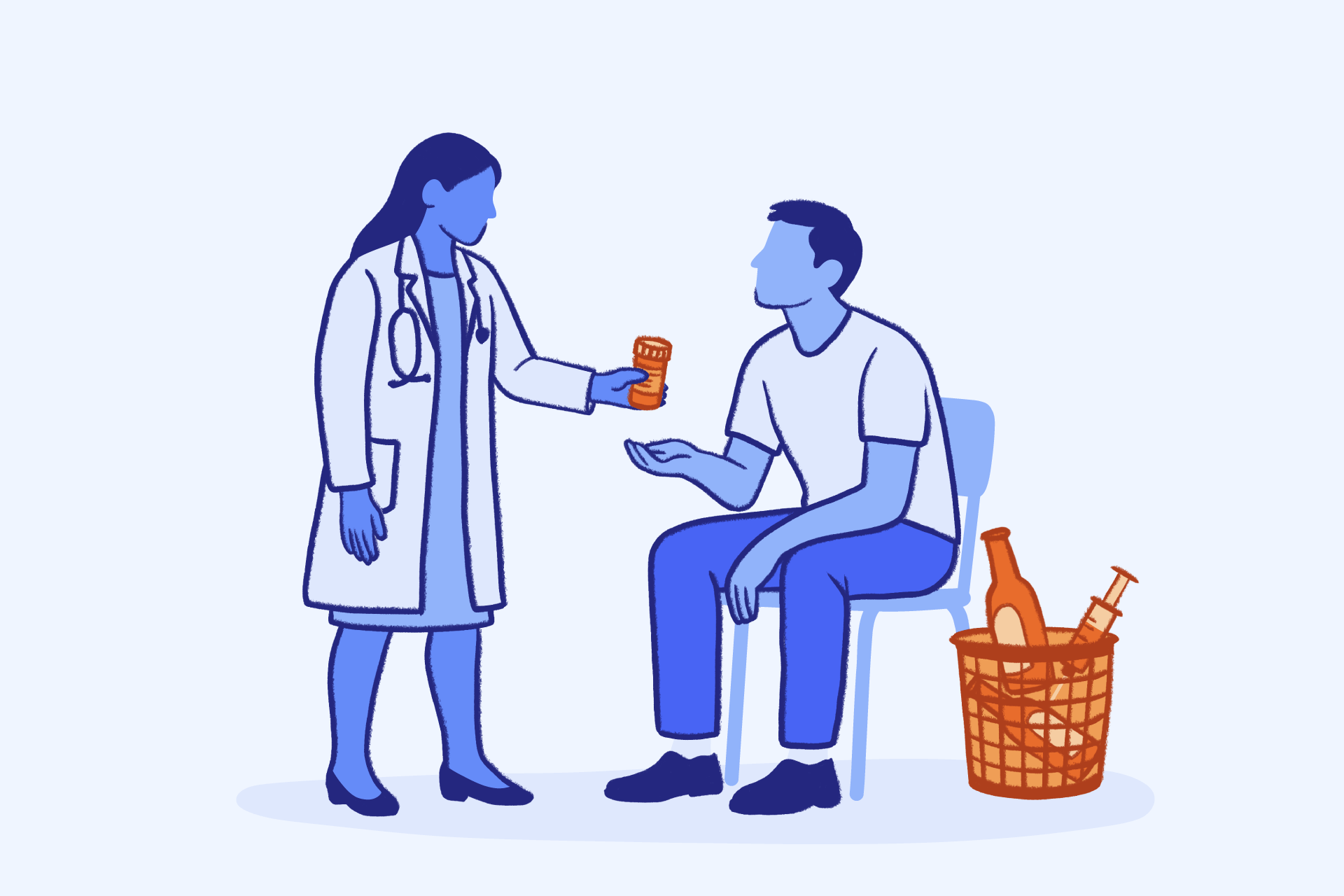
Harm reduction is a practical and compassionate approach to helping people who use drugs. It focuses on reducing the negative effects of substance use, rather than demanding total abstinence. For people with substance use disorder, harm reduction meets them where they are at and supports them in staying safer, healthier, and more informed. Instead of judging or punishing people for their choices, harm reduction provides resources and care to improve their well-being.
What Does Harm Reduction Mean?
Harm reduction recognizes that not everyone is ready or able to stop using drugs right away. Instead of pushing for immediate change, it focuses on smaller, realistic steps to make substance use less risky. These steps aim to:
- Prevent overdoses.
- Reduce the spread of diseases, like HIV or hepatitis.
- Improve physical and mental health.
- Connect people to support and services.
Harm reduction doesn’t mean encouraging drug use—it’s about reducing harm while treating people with dignity and respect.
Explore Medication-Assisted Treatment Treatment Centers
Why Is Harm Reduction Important?
Substance use disorder is a complex issue, and people often face barriers to quitting, like stigma, mental health challenges, or lack of resources. Harm reduction provides help without judgment, which makes it more likely that people will seek support. Here’s why it matters:
- Saves Lives: Programs like naloxone distribution (to reverse overdoses) and supervised consumption sites prevent deaths caused by drug use.
- Builds Trust: Offering nonjudgmental help encourages people to engage with health services and seek more support when they’re ready.
- Reduces Costs: Preventing overdoses and diseases lowers healthcare expenses for communities.
- Empowers Individuals: Harm reduction respects personal choice while offering tools to stay safe.
Examples of Harm Reduction Strategies
Harm reduction can take many forms. Here are some common strategies:
1. Naloxone Distribution
- Naloxone is a medication that reverses opioid overdoses. Harm reduction programs provide it to individuals and families, teaching them how to use it in emergencies.
2. Syringe Exchange Programs
- These programs give people access to clean needles and syringes, reducing the spread of infections like HIV or hepatitis. They also offer a safe way to dispose of used needles.
3. Safe Consumption Sites
- These are supervised places where people can use drugs in a safer environment. Medical staff are available to prevent overdoses and provide care if needed.
4. Education on Safer Use
- Harm reduction programs teach people about safer drug use, like not sharing needles or using test strips to check for fentanyl contamination.
5. Access to Healthcare
- Many harm reduction programs connect people to doctors, mental health support, and social services, improving overall well-being.
Harm Reduction and Recovery
Harm reduction doesn’t conflict with recovery—it supports it. For many people, harm reduction is the first step toward recovery. By reducing risks and building trust, these programs create opportunities for people to seek help when they’re ready.
For example:
- Someone who accesses a syringe exchange program might later decide to enter treatment.
- A person using naloxone to prevent overdoses may feel motivated to explore recovery options after connecting with a harm reduction worker.
Recovery looks different for everyone, and harm reduction provides the foundation for change.
Breaking Stigma with Harm Reduction
One of the biggest barriers people with substance use disorder face is stigma—judgment or negative attitudes from others. Harm reduction helps fight this stigma by treating people with respect and compassion, no matter where they are in their journey. It sends a powerful message: everyone deserves care and dignity.
Harm Reduction Saves Lives
Harm reduction is about more than just safety—it’s about meeting people where they are at and helping them move forward, one step at a time. It saves lives, protects communities, and provides hope for a better future. By focusing on reducing harm, we can support people with substance use disorder in ways that are practical, respectful, and life-changing.
Start Your Recovery Journey
If you’re ready to find addiction treatment for yourself or a loved one, we’re here to help. Browse top medical detox centers in the US, inpatient addiction treatment facilities, aftercare options, and more to start on the path to recovery. You can search for rehab by insurance carrier, location, amenities, and more for free. Don’t wait. Get help today.
FAQs















Our Promise
How Is Recovery.com Different?
We believe everyone deserves access to accurate, unbiased information about mental health and recovery. That's why we have a comprehensive set of treatment providers and don't charge for inclusion. Any center that meets our criteria can list for free. We do not and have never accepted fees for referring someone to a particular center. Providers who advertise with us must be verified by our Research Team and we clearly mark their status as advertisers.
Our goal is to help you choose the best path for your recovery. That begins with information you can trust.