- Addiction
- Mental Health
- About Us
Find Treatment By
Rehabs by Location


Find Treatment By
Learn
About Us
Recovery.com combines independent research with expert guidance on addiction and mental health treatment. Our mission is to help everyone find the best path to recovery through the most comprehensive, helpful network of treatment providers worldwide.
Advisory Council
Our advisory council brings together leaders in behavioral health, technology, and business. Their diverse expertise ensures our resources and product are innovative, evidence-based, and effective. They guide our mission as accomplished individuals dedicated to improving the landscape of addiction recovery and mental wellness.
Passages Alaska
Treatment Focus
At this center, you receive personalized care for mental health conditions. They provide therapy and tailor treatment to your unique needs, diagnoses, and preferences.
Primary Level of Care
Offers a structured, immersive environment for intensive healing and personal growth, combining therapy, wellness activities, and peer support in a peaceful, distraction-free setting
This provider hasn't verified their profile's information. Are you the owner of this center? Claim your listing to better manage your presence on Recovery.com.
Treatment Focus
At this center, you receive personalized care for mental health conditions. They provide therapy and tailor treatment to your unique needs, diagnoses, and preferences.
Primary Level of Care
Offers a structured, immersive environment for intensive healing and personal growth, combining therapy, wellness activities, and peer support in a peaceful, distraction-free setting
Private Pay
You pay directly for treatment out of pocket. This approach can offer enhanced privacy and flexibility, without involving insurance. Exact costs vary based on program and length of stay. Contact the center for specific details.
Passages Alaska
Passages Alaska
About Passages Alaska
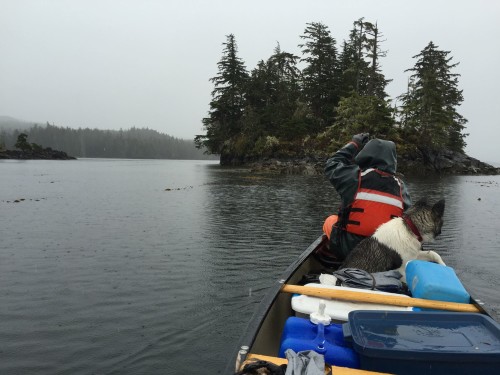
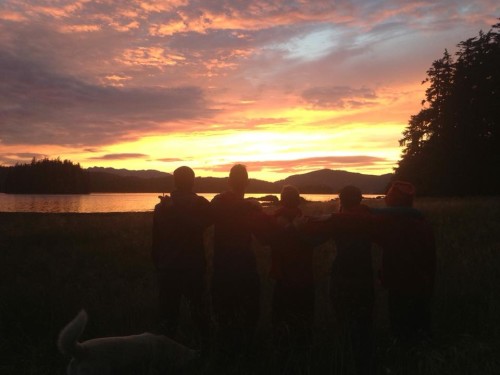
Anchored in Klawock, Alaska, Passages Alaska leads wilderness therapy for adolescents and adults with depression, anxiety, ADHD, and other mental health conditions.
Therapy
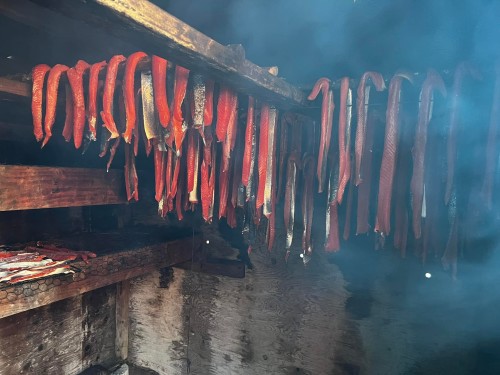
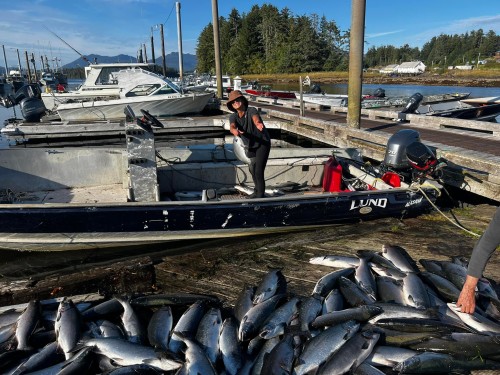
They blend expeditions like fishing and camping with evidence-based acceptance and commitment therapy (ACT) and mindfulness-based cognitive therapy (MBCT), as well as opportunities to serve by cleaning up the parks. They finish the day with group discussions of the day and the lessons people learned. For clients recovering from trauma, they also incorporate eye movement desensitization and reprocessing (EMDR), brain spotting, and somatic experiencing.
Clientele
Passages Alaska runs a co-ed program that welcomes anyone seeing wilderness therapy for mental health treatment, but they specialize in treating adolescent boys and young adult males 14-24.
Program Team
Sean Tomkinson, a licensed clinical social worker, leads the expeditions. They also employ field guides with various backgrounds, including some with naval and counseling backgrounds.
Length
Passages Alaska's expeditions last 8 to 12 weeks, and then they cap the expeditions with a graduation. Clients can stay for additional expeditions after the 12-week mark.

Center Overview
Treatment Focus
At this center, you receive personalized care for mental health conditions. They provide therapy and tailor treatment to your unique needs, diagnoses, and preferences.
Pricing and Program Length
Estimated Center Costs
The cost listed here (Call for Rates), is an estimate of program cost. Center price can vary based on program and length of stay. Contact the center for more information. Recovery.com strives for price transparency so you can make an informed decision.
Levels of Care


Your Care Options
Specializations
Adolescents
Teens receive the treatment they need for mental health disorders and addiction, with the added support of educational and vocational services.
Anxiety
Anxiety is a common mental health condition that can include excessive worry, panic attacks, physical tension, and increased blood pressure.
Depression
Symptoms of depression may include fatigue, a sense of numbness, and loss of interest in activities. This condition can range from mild to severe.
Young Adults
Emerging adults ages 18-25 receive treatment catered to the unique challenges of early adulthood, like college, risky behaviors, and vocational struggles.
Internet Addiction
Internet addiction is common among children teens. This compulsive disorder can damage relationships, school performance, sleep habits, and physical health.
Who We Treat
Adolescents
Teens receive the treatment they need for mental health disorders and addiction, with the added support of educational and vocational services.
Men and Women
Men and women attend treatment for addiction in a co-ed setting, going to therapy groups together to share experiences, struggles, and successes.
Approaches
Evidence-Based
A combination of scientifically rooted therapies and treatments make up evidence-based care, defined by their measured and proven results.
Experiential
Expressive tools and therapies help patients process past situations, learn more about themselves, and find healing through action.
Individual Treatment
Individual care meets the needs of each patient, using personalized treatment to provide them the most relevant care and greatest chance of success.
Therapies
1-on-1 Counseling
Patient and therapist meet 1-on-1 to work through difficult emotions and behavioral challenges in a personal, private setting.
Acceptance and Commitment Therapy (ACT)
This cognitive behavioral therapy teaches patients to accept challenging feelings and make the appropriate changes to reach personal goals.
Adventure Therapy
This experiential approach uses the physical and emotional challenges of outdoor activities as tools for personal growth.
Eye Movement Therapy (EMDR)
Lateral, guided eye movements help reduce the emotional reactions of retelling and reprocessing trauma, allowing intense feelings to dissipate.
Life Skills
Teaching life skills like cooking, cleaning, clear communication, and even basic math provides a strong foundation for continued recovery.
Meditation & Mindfulness
A practiced state of mind that brings patients to the present. It allows them to become fully aware of themselves, their feelings, and the present moment.
Mindfulness-Based Cognitive Therapy
MBCT combines mindfulness practices—like meditation—with cognitive therapy techniques to help patients work through negative thought patterns.
Recreation Therapy
In recreation therapy, recovery can be joyful. Patients practice social skills and work through emotional triggers by engaging in fun activities.
Languages
Conditions We Treat
ADHD, ADD
ADHD is a common mental health condition caused by dopamine imbalance. Common symptoms include inattention, hyperactivitiy, and impulsivity.
Anxiety
Anxiety is a common mental health condition that can include excessive worry, panic attacks, physical tension, and increased blood pressure.
Depression
Symptoms of depression may include fatigue, a sense of numbness, and loss of interest in activities. This condition can range from mild to severe.
Internet Addiction
Internet addiction is common among children teens. This compulsive disorder can damage relationships, school performance, sleep habits, and physical health.
Care Designed for Your Needs
Special Considerations
Young Adults Program
Programs for young adults bring teens 18+ together to discuss age-specific challenges, vocational and educational progress, and successes in treatment.