- Addiction
- Mental Health
- About Us
Find Treatment By
Rehabs by Location


Find Treatment By
Learn
About Us
Recovery.com combines independent research with expert guidance on addiction and mental health treatment. Our mission is to help everyone find the best path to recovery through the most comprehensive, helpful network of treatment providers worldwide.
Advisory Council
Our advisory council brings together leaders in behavioral health, technology, and business. Their diverse expertise ensures our resources and product are innovative, evidence-based, and effective. They guide our mission as accomplished individuals dedicated to improving the landscape of addiction recovery and mental wellness.
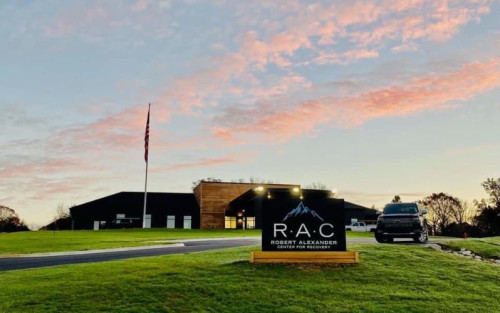

Robert Alexander Center for Recovery
Verified Center
This provider's information has been quality-checked by Recovery.com's Research Team for accuracy and completeness, including center verification through appropriate third-party organizations.
Treatment Focus
This center treats substance use disorders and co-occurring mental health conditions. Your treatment plan addresses each condition at once with personalized, compassionate care for comprehensive healing.
Primary Level of Care
Offering intensive care with 24/7 monitoring, residential treatment is typically 30 days and can cover multiple levels of care. Length can range from 14 to 90 days typically.
Treatment Focus
This center treats substance use disorders and co-occurring mental health conditions. Your treatment plan addresses each condition at once with personalized, compassionate care for comprehensive healing.
Primary Level of Care
Offering intensive care with 24/7 monitoring, residential treatment is typically 30 days and can cover multiple levels of care. Length can range from 14 to 90 days typically.
Provider's Policy
The Robert Alexander Center for Recovery is dedicated to providing evidence-based, high-quality addiction treatment for residents in Kentucky and beyond. They accept most major insurances. Robert Alexander Center for Recovery is unable to accept state insurance, Medicaid or Medicare.
Robert Alexander Center for Recovery
Robert Alexander Center for Recovery
About Robert Alexander Center for Recovery
Robert Alexander Center for Recovery (RAC) provides comprehensive, evidence-based treatment to redefine the experience of addiction treatment. Located on 10 acres of beautiful countryside in Mt. Washington, one of the safest cities in Kentucky, the Robert Alexander Center for Recovery provides a safe and peaceful place for individuals to begin their journey of healing. Their mission is simple yet passionate: to make a lasting impact on those affected by the disease of addiction in Kentucky and beyond.
Clinically Monitored Detox
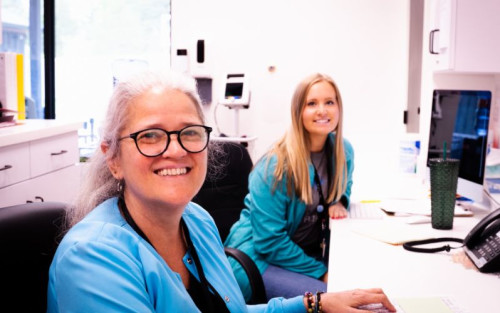
Clients detox on an as-needed basis at RAC, under expert clinical supervision and care. A team of nurses and doctoral staff help clients remain at-ease during detox. Comfortable living areas, housekeeping, TVs, and daily individual counseling add to the comforts RAC aims to provide. Once clients leave detox, they attend one-on-one counseling 3 times a week, with 6 hours of group therapy each day. Doing so allows for an immediate and deep immersion in healing and support.
Personalized Treatment Plans
RAC offers unique, tailor-made treatment plans that cater to the specific needs of their clients. Instead of a one-size-fits-all approach, they can then effectively address the root cause of the addiction in each client. They offer a variety of evidence-based and holistic therapies, including cognitive behavioral therapy (CBT), 12-Step facilitation, family counseling, art and music therapy, and neurofeedback.
Recover in Comfort And Safety
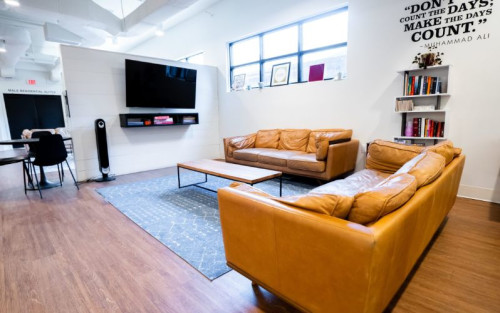
Robert Alexander Center for Recovery combines top-notch facilities with high-quality, expert care. Their modern facility boasts luxury amenities, semi-private rooms, recreational activities, copper tub therapy, an on-site cafe, flat-screen TVs, and more to offer a once-in-a-lifetime treatment experience. RAC has over 25+ years of combined experience treating addiction and improving lives. Their team has dedicated their lives to helping those who struggle with substance use and co-occurring mental illness.
Alumni Program

Center Overview
Treatment Focus
This center treats substance use disorders and co-occurring mental health conditions. Your treatment plan addresses each condition at once with personalized, compassionate care for comprehensive healing.
Joint Commission Accredited
The Joint Commission accreditation is a voluntary, objective process that evaluates and accredits healthcare organizations (like treatment centers) based on performance standards designed to improve quality and safety for patients. To be accredited means the treatment center has been found to meet the Commission's standards for quality and safety in patient care.

Insurance Accepted



Cash Pay Rates
Estimated Cash Pay Rate
Center pricing can vary based on program and length of stay. Contact the center for more information. Recovery.com strives for price transparency so you can make an informed decision.
Meet Your Care Team

Carson Economy McCall
Clinical Director
PhD, LPCC-S, LCADC

Brian Thornsberry
Executive Director

Hannah Naiser
Director of Nursing
RN, BSN

Katie Rose
Therapist
CSW
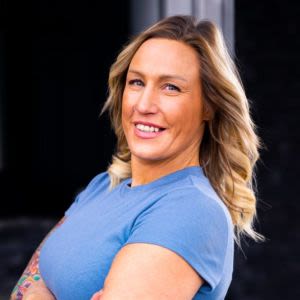
Erin Willinger
Therapist
LPCA

Alaina Phelps
Family Therapist
LPCA

Douglas Donaldson
Counselor
TCADC
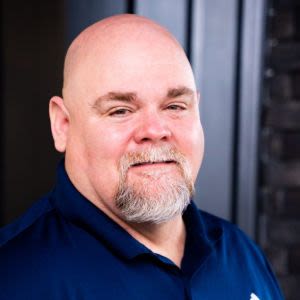
Eric Moore
Director of Operations


Levels of Care


Your Care Options
Specializations
Alcohol
Using alcohol as a coping mechanism, or drinking excessively throughout the week, signals an alcohol use disorder.
Chronic Relapse
Consistent relapse occurs repeatedly, after partial recovery from addiction. This condition requires long-term treatment.
Cocaine
Cocaine is a stimulant with euphoric effects. Agitation, muscle ticks, psychosis, and heart issues are common symptoms of cocaine abuse.
Opioids
Opioids produce pain-relief and euphoria, which can lead to addiction. This class of drugs includes prescribed medication and the illegal drug heroin.
Trauma
Some traumatic events are so disturbing that they cause long-term mental health problems. Those ongoing issues can also be referred to as "trauma."
Who We Treat
Executives
Executive treatment programs typically directly support the needs of people who manage businesses and may provide flexible schedules and office space to allow work during treatment.
Young Adults
Emerging adults ages 18-25 receive treatment catered to the unique challenges of early adulthood, like college, risky behaviors, and vocational struggles.
LGBTQ+
Addiction and mental illnesses in the LGBTQ+ community must be treated with an affirming, safe, and relevant approach, which many centers provide.
Professionals
Busy, high-ranking professionals get the personalized treatment they need with greater accommodations for work, privacy, and outside communication.
Approaches
Evidence-Based
A combination of scientifically rooted therapies and treatments make up evidence-based care, defined by their measured and proven results.
Experiential
Expressive tools and therapies help patients process past situations, learn more about themselves, and find healing through action.
Family Involvement
Providers involve family in the treatment of their loved one through family therapy, visits, or both–because addiction is a family disease.
Holistic
A non-medicinal, wellness-focused approach that aims to align the mind, body, and spirit for deep and lasting healing.
Individual Treatment
Individual care meets the needs of each patient, using personalized treatment to provide them the most relevant care and greatest chance of success.
Medical
Medical addiction treatment uses approved medications to manage withdrawals and cravings, and to treat contributing mental health conditions.
Non 12 Step
Non-12-Step philosophies veer from the spiritual focus of the 12-Steps and instead treat the disease of addiction with holistic or secular modalities.
Personalized Treatment
The specific needs, histories, and conditions of individual patients receive personalized, highly relevant care throughout their recovery journey.
Twelve Step
Incorporating spirituality, community, and responsibility, 12-Step philosophies prioritize the guidance of a Higher Power and a continuation of 12-Step practices.
Therapies
1-on-1 Counseling
Patient and therapist meet 1-on-1 to work through difficult emotions and behavioral challenges in a personal, private setting.
Acceptance and Commitment Therapy (ACT)
This cognitive behavioral therapy teaches patients to accept challenging feelings and make the appropriate changes to reach personal goals.
Adventure Therapy
This experiential approach uses the physical and emotional challenges of outdoor activities as tools for personal growth.
Animal Therapy
Animals can inspire trust and self-worth. In this experiential therapy, guided interactions are used to improve social skills and emotion regulation.
Aromatherapy
Inhaling or topically applying essential oils can help relieve stress, soothe pains, and relieve emotional distress.
Art Therapy
Visual art invites patients to examine the emotions within their work, focusing on the process of creativity and its gentle therapeutic power.
Attachment-Based Family Therapy
ABFT is a trauma-focused therapy that teaches you to form healthy relationships by rebuilding trust and healing attachment issues formed in childhood.
Languages
Conditions We Treat
Anxiety
Anxiety is a common mental health condition that can include excessive worry, panic attacks, physical tension, and increased blood pressure.
Depression
Symptoms of depression may include fatigue, a sense of numbness, and loss of interest in activities. This condition can range from mild to severe.
Grief and Loss
Grief is a natural reaction to loss, but severe grief can interfere with your ability to function. You can get treatment for this condition.
Post Traumatic Stress Disorder
PTSD is a long-term mental health issue caused by a disturbing event or events. Symptoms include anxiety, dissociation, flashbacks, and intrusive thoughts.
Trauma
Some traumatic events are so disturbing that they cause long-term mental health problems. Those ongoing issues can also be referred to as "trauma."
Substances We Treat
Alcohol
Using alcohol as a coping mechanism, or drinking excessively throughout the week, signals an alcohol use disorder.
Benzodiazepines
Benzodiazepines are prescribed to treat anxiety and sleep issues. They are highly habit forming, and their abuse can cause mood changes and poor judgement.
Chronic Relapse
Consistent relapse occurs repeatedly, after partial recovery from addiction. This condition requires long-term treatment.
Co-Occurring Disorders
A person with multiple mental health diagnoses, such as addiction and depression, has co-occurring disorders also called dual diagnosis.
Cocaine
Cocaine is a stimulant with euphoric effects. Agitation, muscle ticks, psychosis, and heart issues are common symptoms of cocaine abuse.
Drug Addiction
Drug addiction is the excessive and repetitive use of substances, despite harmful consequences to a person's life, health, and relationships.
Ecstasy
Ecstasy is a stimulant that causes intense euphoria and heightened awareness. Abuse of this drug can trigger depression, insomnia, and memory problems.
Heroin
Heroin is a highly addictive and illegal opioid. It can cause insomnia, collapsed veins, heart issues, and additional mental health issues.
Aftercare
Care Designed for Your Needs
Personal Amenities
Amenities
Special Considerations
Center Pets
Addiction and mental health facilities with pets allow patients to interact with friendly dogs, cats, horses, and in some cases, even dolphins.
Gender-specific groups
Patients in gender-specific groups gain the opportunity to discuss challenges unique to their gender in a comfortable, safe setting conducive to healing.
First Responders Program
Paramedics, police officers, firefighters, and others join in a specific First Responders program, usually focused on trauma, grief, and work-life balance.
Activities
Off-Site Activities
Off-Site Amenities
What people are saying
Treatment
4.8
Accommodations
4.8
Food & Nutrition
4.6
Value
4.7
Pros
- Friendly & Competent Staff (84)
- Excellent & Effective Treatment Programming (77)
- Treated With Respect (77)
- Beautiful Location (74)
Cons
- Not Enough Time With Therapist (12)
- Limited Time to Work (6)
- Poor Cell Service (6)
- Generalized Program (5)
Jody G
Treatment in 2022 • (30 days) • Reviewed 10/25/22
Former Client
•disability
•KY
C.W.
Treatment in 2022 • (30 days) • Reviewed 09/18/22
Loved One of a Former Client
•United States
JBB
Treatment in 2022 • (45 days) • Reviewed 08/28/22
Loved One of a Former Client
•Kentucky
Kullman Intervetion and Coaching
Reviewed 08/25/22
Referring Professional
•Interventionist
Johnny D
Reviewed 08/24/22
Referring Professional
•Business Development