- Addiction
- Mental Health
- About Us
Find Treatment By
Rehabs by Location


Find Treatment By
Learn
About Us
Recovery.com combines independent research with expert guidance on addiction and mental health treatment. Our mission is to help everyone find the best path to recovery through the most comprehensive, helpful network of treatment providers worldwide.
Advisory Council
Our advisory council brings together leaders in behavioral health, technology, and business. Their diverse expertise ensures our resources and product are innovative, evidence-based, and effective. They guide our mission as accomplished individuals dedicated to improving the landscape of addiction recovery and mental wellness.




Safe Haven Recovery
Verified Center
This provider's information has been quality-checked by Recovery.com's Research Team for accuracy and completeness, including center verification through appropriate third-party organizations.
Treatment Focus
This center primarily treats substance use disorders, helping you stabilize, create relapse-prevention plans, and connect to compassionate support.
Primary Level of Care
Offering intensive care with 24/7 monitoring, residential treatment is typically 30 days and can cover multiple levels of care. Length can range from 14 to 90 days typically.
Treatment Focus
This center primarily treats substance use disorders, helping you stabilize, create relapse-prevention plans, and connect to compassionate support.
Primary Level of Care
Offering intensive care with 24/7 monitoring, residential treatment is typically 30 days and can cover multiple levels of care. Length can range from 14 to 90 days typically.
Provider's Policy
We accept most major insurance providers on an out-of-network basis. We are not in network with Medicare, Medicaid, or Medi-Cal at this time. If your insurance is not listed, please contact our admissions team. We may still accept your plan. Flexible self-pay and financing options are available.
Safe Haven Recovery
Safe Haven Recovery
About Safe Haven Recovery
Safe Haven Recovery combines luxury amenities with medical excellence. Their team of addiction therapy specialists helps clients find the right treatment combination to turn their lives around for good. Clients receive 24/7 care, private accommodations, holistic therapies, and access to top clinicians—all in a serene Beverly Hills setting. It’s ideal for those seeking a structured approach to recovery, complete with education, therapy, and a focus on long-term well-being.
Recover Using a Blend of Proven Methods
Safe Haven clients follow a structured, personalized schedule that includes evidence-based therapy, holistic healing, and wellness activities. Each client participates in six hours of group therapy daily and meets twice weekly for individual sessions, plus weekly appointments with a psychiatrist and medical practitioner. Cognitive behavioral therapy (CBT) teaches clients to identify triggers and reshape unhelpful thought patterns, while eye movement desensitization and reprocessing (EMDR) reduces distress from past trauma. Rational emotive behavior therapy (REBT) helps clients challenge irrational fears through grounding and self-awareness. For those who need it, medication-assisted treatment (MAT) safely supports recovery from substance dependence under professional supervision.
Relax in Private Suites & Spa-Like Comfort
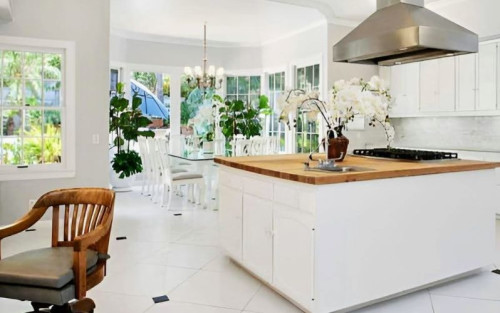
Safe Haven’s homelike facility in Beverly Hills is close to the hustle and bustle, yet it feels a million miles away. Every detail intentionally supports comfort, privacy, and emotional well-being. Clients relax in private suites, unwind in serene gardens, and enjoy spa-inspired amenities, a therapeutic sauna, and chef-prepared meals. Saturday outings—like movies, bowling, and beach trips—offer balance, connection, and a joyful sense of normalcy in recovery.
Stay Supported Beyond Residential Care
Continued care is key to long-term success, and Safe Haven Recovery’s clinical team helps clients stay supported after residential treatment. Each client leaves with a custom aftercare plan designed to maintain addiction recovery progress. This may include outpatient therapy, sober living support, alumni groups, or virtual counseling.
Highlights from the Center
Highlights
These highlights are provided by and paid for by the center.
Bespoke With Exclusive Staff
Utmost Confidentiality
Private Rooms Only
Executive Treatment
Center Overview
Treatment Focus
This center primarily treats substance use disorders, helping you stabilize, create relapse-prevention plans, and connect to compassionate support.
Joint Commission Accredited
The Joint Commission accreditation is a voluntary, objective process that evaluates and accredits healthcare organizations (like treatment centers) based on performance standards designed to improve quality and safety for patients. To be accredited means the treatment center has been found to meet the Commission's standards for quality and safety in patient care.
Recently helped 2 people via Recovery.com

Insurance Accepted









Cash Pay Rates
Estimated Cash Pay Rate
Center pricing can vary based on program and length of stay. Contact the center for more information. Recovery.com strives for price transparency so you can make an informed decision.




Recovery.com Verified Listing
Recovery.com verified that the name, location, contact information and license to operate for this treatment provider are valid and up-to-date.
Licensed by California DHCS
Joint Commission Accredited
Recovery.com is an independent, third-party mental health resource. Verification does not imply endorsement and does not guarantee the quality of treatment services.
Meet Your Care Team

Lusine Ayvazyan
CEO & Founder
Dr. Jason Giles
Physician
M.D.
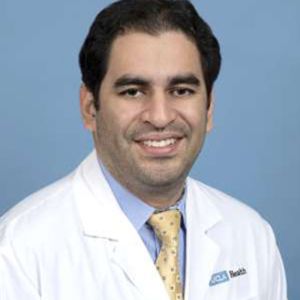
Dr. Julio Meza
Psychiatrist
MD
Your Care Options
Specializations
Executives
Executive treatment programs typically directly support the needs of people who manage businesses and may provide flexible schedules and office space to allow work during treatment.
Opioids
Opioids produce pain-relief and euphoria, which can lead to addiction. This class of drugs includes prescribed medication and the illegal drug heroin.
Holistic
A non-medicinal, wellness-focused approach that aims to align the mind, body, and spirit for deep and lasting healing.
Medication-Assisted Treatment
Combined with behavioral therapy, prescribed medications can enhance treatment by relieving withdrawal symptoms and focus patients on their recovery.
Detox
Detox fully and safely removes toxic substances from the body, allowing the next steps in treatment to begin with a clean slate.
Alcohol
Using alcohol as a coping mechanism, or drinking excessively throughout the week, signals an alcohol use disorder.
Who We Treat
Older Adults
Addiction and mental health treatment caters to adults 55+ and the age-specific challenges that can come with recovery, wellness, and overall happiness.
Executives
Executive treatment programs typically directly support the needs of people who manage businesses and may provide flexible schedules and office space to allow work during treatment.
Men and Women
Men and women attend treatment for addiction in a co-ed setting, going to therapy groups together to share experiences, struggles, and successes.
Midlife Adults
For adults ages 40+, treatment shifts to focus on the unique challenges, blocks, and risk factors of their age group, and unites peers in a similar community.
Mild Disabilities
Adults with mild physical or intellectual disabilities receive treatment catered to their specific needs in a safe and clinically supportive environment.
Professionals
Busy, high-ranking professionals get the personalized treatment they need with greater accommodations for work, privacy, and outside communication.
Treatment Services
Detox
Detox fully and safely removes toxic substances from the body, allowing the next steps in treatment to begin with a clean slate.
Detox (on-site with residential)
This is often the first step of addiction treatment. For many people, it's dangerous to detox without proper medical support.
Prescribes Medications for Alcohol Use Disorder
The provider prescribes medications for addiction treatment, also known as Medication-Assisted Treatment (MAT), for alcohol use.
Prescribes Medications for Opioid Use Disorder
The provider prescribes medications for addiction treatment, also known as Medication-Assisted Treatment (MAT), for opioid use.
Residential
In a residential rehab program, patients live onsite, with access to daily treatment and 24-hour care. An average stay is 30-90 days.
Approaches
Evidence-Based
A combination of scientifically rooted therapies and treatments make up evidence-based care, defined by their measured and proven results.
Holistic
A non-medicinal, wellness-focused approach that aims to align the mind, body, and spirit for deep and lasting healing.
Medical
Medical addiction treatment uses approved medications to manage withdrawals and cravings, and to treat contributing mental health conditions.
Non 12 Step
Non-12-Step philosophies veer from the spiritual focus of the 12-Steps and instead treat the disease of addiction with holistic or secular modalities.
Twelve Step
Incorporating spirituality, community, and responsibility, 12-Step philosophies prioritize the guidance of a Higher Power and a continuation of 12-Step practices.
Wellness
Wellness philosophies focus on the physical, mental, and spiritual wellness of each patient, helping them restore purpose with natural remedies.
Therapies
Acceptance and Commitment Therapy (ACT)
This cognitive behavioral therapy teaches patients to accept challenging feelings and make the appropriate changes to reach personal goals.
Art Therapy
Visual art invites patients to examine the emotions within their work, focusing on the process of creativity and its gentle therapeutic power.
Couples Counseling
Partners work to improve their communication patterns, using advice from their therapist to better their relationship and make healthy changes.
Experiential Therapy
With this approach, patients heal by doing. Therapists help patients process difficult emotions to speak, using guided activities like art or dance.
Eye Movement Therapy (EMDR)
Lateral, guided eye movements help reduce the emotional reactions of retelling and reprocessing trauma, allowing intense feelings to dissipate.
Family Therapy
Family therapy addresses group dynamics within a family system, with a focus on improving communication and interrupting unhealthy relationship patterns.
Languages
Conditions We Treat
ADHD, ADD
ADHD is a common mental health condition caused by dopamine imbalance. Common symptoms include inattention, hyperactivitiy, and impulsivity.
Anger
Although anger itself isn't a disorder, it can get out of hand. If this feeling interferes with your relationships and daily functioning, treatment can help.
Anxiety
Anxiety is a common mental health condition that can include excessive worry, panic attacks, physical tension, and increased blood pressure.
Bipolar
This mental health condition is characterized by extreme mood swings between depression, mania, and remission.
Burnout
Burnout entails mental and physical exhaustion, and leads to a severe lack of fulfillment. This condition is often caused by overwork.
Chronic Pain Management
Long-term physical pain can have an affect on mental health. Without support, it can also impact your daily life and even lead to addiction.
Codependency
Codependency is a pattern of emotional dependence and controlling behavior. It's most common among people with addicted loved ones.
Depression
Symptoms of depression may include fatigue, a sense of numbness, and loss of interest in activities. This condition can range from mild to severe.
Grief and Loss
Grief is a natural reaction to loss, but severe grief can interfere with your ability to function. You can get treatment for this condition.
Substances We Treat
Alcohol
Using alcohol as a coping mechanism, or drinking excessively throughout the week, signals an alcohol use disorder.
Benzodiazepines
Benzodiazepines are prescribed to treat anxiety and sleep issues. They are highly habit forming, and their abuse can cause mood changes and poor judgement.
Chronic Relapse
Consistent relapse occurs repeatedly, after partial recovery from addiction. This condition requires long-term treatment.
Cocaine
Cocaine is a stimulant with euphoric effects. Agitation, muscle ticks, psychosis, and heart issues are common symptoms of cocaine abuse.
Drug Addiction
Drug addiction is the excessive and repetitive use of substances, despite harmful consequences to a person's life, health, and relationships.
Ecstasy
Ecstasy is a stimulant that causes intense euphoria and heightened awareness. Abuse of this drug can trigger depression, insomnia, and memory problems.
Heroin
Heroin is a highly addictive and illegal opioid. It can cause insomnia, collapsed veins, heart issues, and additional mental health issues.
Aftercare
Care Designed for Your Needs
Personal Amenities
Amenities
Special Considerations
Healthy Meals are provided
Great food meets great treatment, with providers serving healthy meals to restore nutrition, wellbeing, and health.
Flexible technology policies
Centers with flexible technology policies allow professionals to stay in touch with work and give patients a greater sense of connection and normalcy.
Executive Program
Addiction and mental health treatment for executives typically involves high discretion, greater technology access, and more private, 1-on-1 care.
Activities
Yoga
Yoga is both a physical and spiritual practice. It includes a flow of movement, breathing techniques, and meditation.
Off-Site Activities
Off-Site Amenities
Smoking and Vaping Policy
Learn More About the Center
Complementary Therapies
Discover how body-based therapies like Reiki, NAD⁺, and fitness training enhance whole-person recovery.
Addiction Treatment Therapy Modalities
Explore Safe Haven’s blend of evidence-based and holistic therapies that guide lasting recovery.
Medication Assisted Treatment (MAT)
Learn how medically supervised MAT supports long-term sobriety while easing withdrawal and cravings safely.
Non-12-Step Programs
Find empowerment and mindfulness through SMART and Refuge Recovery, Safe Haven’s non-12-Step paths.