- Addiction
- Mental Health
- About Us
Find Treatment By
Rehabs by Location


Find Treatment By
Learn
About Us
Recovery.com combines independent research with expert guidance on addiction and mental health treatment. Our mission is to help everyone find the best path to recovery through the most comprehensive, helpful network of treatment providers worldwide.
Advisory Council
Our advisory council brings together leaders in behavioral health, technology, and business. Their diverse expertise ensures our resources and product are innovative, evidence-based, and effective. They guide our mission as accomplished individuals dedicated to improving the landscape of addiction recovery and mental wellness.

Samarpan
Verified Center
This provider's information has been quality-checked by Recovery.com's Research Team for accuracy and completeness, including center verification through appropriate third-party organizations.
Treatment Focus
This center treats substance use disorders and mental health conditions. You'll receive individualized care catered to your unique situation and diagnosis, learn practical skills for recovery, and make new connections in a restorative environment.
Primary Level of Care
Offering intensive care with 24/7 monitoring, residential treatment is typically 30 days and can cover multiple levels of care. Length can range from 14 to 90 days typically.
Treatment Focus
This center treats substance use disorders and mental health conditions. You'll receive individualized care catered to your unique situation and diagnosis, learn practical skills for recovery, and make new connections in a restorative environment.
Primary Level of Care
Offering intensive care with 24/7 monitoring, residential treatment is typically 30 days and can cover multiple levels of care. Length can range from 14 to 90 days typically.
Private Pay
You pay directly for treatment out of pocket. This approach can offer enhanced privacy and flexibility, without involving insurance. Exact costs vary based on program and length of stay. Contact the center for specific details.
Samarpan
Samarpan
About Samarpan
An exclusive, private facility staffed by qualified professionals, Samarpan provides comprehensive care with de-addiction, co-occurring mental health conditions, and wellness services. Samarpan addresses addiction through a holistic blend of evidence-based and holistic practices supplemented by expert guidance on health, yoga, nutrition, and meditation. Family support programs include loved ones in the healing process and teach coping skills and communication techniques.
Renewing Days And Expert Care
Samarpan’s primary treatment program is a minimum 28-day residential stay, followed by an additional two months of continuing care post-discharge. The program offers evidence-based treatments delivered by experienced therapists with substance use backgrounds and highly qualified healthcare professionals. Samparpan’s program includes 12-Step facilitation, process groups, and relapse prevention training. Therapists utilize dialectical behavioral therapy (DBT), acceptance and commitment therapy (ACT), cognitive behavioral therapy (CBT), and more. For a blended approach, therapies are complemented by art therapy, yoga, mindfulness, massage therapy, Reiki, and physical therapy.
Samarpan Phase Work
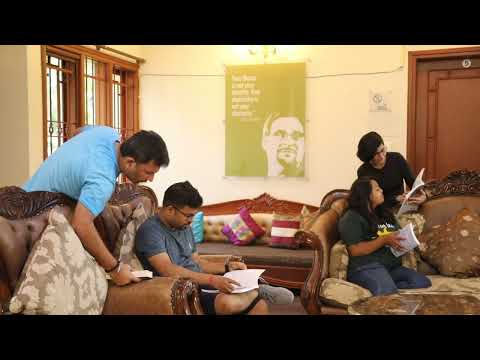
Clients at Samarpan work through 5 Phases of the treatment process designed to provide a comprehensive understanding of addiction, equip them with essential tools, and help track their recovery progress.
- Phase 1: Clients explore and determine their primary motivations to become sober and live healthier lives.
- Phase 2: To increase insight and awareness about the self and the nature of addiction, clients are educated on issues such as dual diagnoses, relapse prevention, family dynamics, sober socializing, communication skills, and more.
- Phase 3: Clients work on developing and maintaining a sober support system during and after treatment by identifying individuals with positive influence, local mental healthcare providers, and other community resources.
- Phase 4: This phase assists clients in identifying triggering people, places, and things and creating a relapse prevention plan. Samarpan’s team helps clients understand the relapse process and create a plan for their lifestyle.
- Phase 5: All clients receive a comprehensive discharge plan prior to completing the program. Staff collaborates with clients to develop a 3-month plan.
Privacy And Luxury At Samarpan
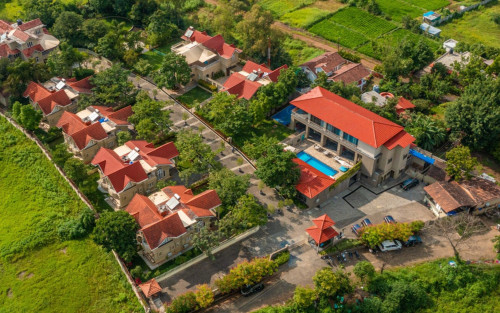
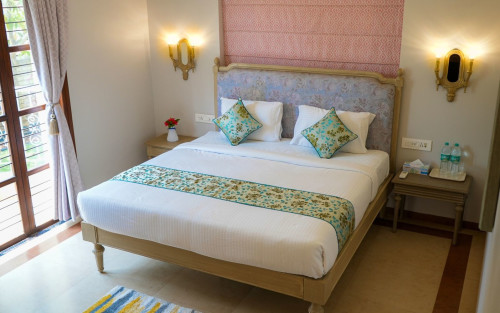
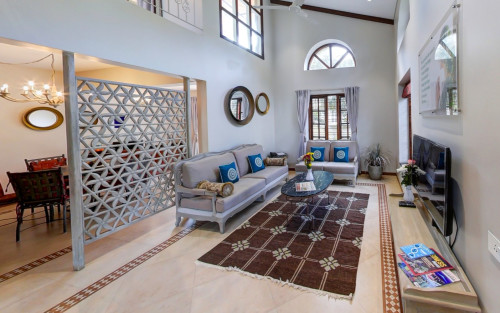
Samarpan offers bespoke, luxury care and accommodations, featuring 25 well-appointed single-occupancy rooms with ensuites and air conditioning. Clients can enjoy beautiful views of the surrounding lush landscape. The facility boasts top-notch amenities, including a refreshing pool, on-site gym, walking trails, recreation room, and tranquil gardens. Samarpan treatment focuses on the whole mind, body, and soul while providing resort-like amenities.
Highlights from the Center
Highlights
These highlights are provided by and paid for by the center.
1-on-1 Counseling
CARF Accredited
Dietary Accommodations
Private Villa
Center Overview
Treatment Focus
This center treats substance use disorders and mental health conditions. You'll receive individualized care catered to your unique situation and diagnosis, learn practical skills for recovery, and make new connections in a restorative environment.
Pricing and Program Length
Estimated Center Costs
The cost listed here ($4,500 - $8,000 per month), is an estimate of program cost. Center price can vary based on program and length of stay. Contact the center for more information. Recovery.com strives for price transparency so you can make an informed decision.
Meet Your Care Team

Martin Peters
Chief Operations Officer

Obi Unaka
Director of Residential Service

Dr. Ashish Deshpande
Consulting Psychiatrist

Dr. Dnyaneshwar Patharwat
Medical Officer

Ishita Akula
Senior Therapist

Mridula Mishra
Art Therapist

Sanket Swami
Substance Misuse Practitioner

Shivani Vadali
Therapist

Saumya Sunny
Lead Nurse

Nuzhat Khan
Intake Coordinator
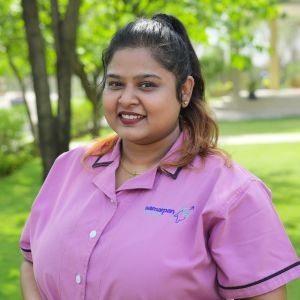
Neethu Georgekutty
Nurse

Kalyani Jagade
Nurse
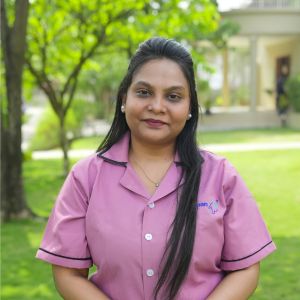
Glory Petras
Nurse

Alisha More
Nurse


Levels of Care


Your Care Options
Specializations
Alcohol
Using alcohol as a coping mechanism, or drinking excessively throughout the week, signals an alcohol use disorder.
Chronic Relapse
Consistent relapse occurs repeatedly, after partial recovery from addiction. This condition requires long-term treatment.
Co-Occurring Disorders
A person with multiple mental health diagnoses, such as addiction and depression, has co-occurring disorders also called dual diagnosis.
Drug Addiction
Drug addiction is the excessive and repetitive use of substances, despite harmful consequences to a person's life, health, and relationships.
Gambling
Excessive, repetitive gambling causes financial and interpersonal problems. This addiction can interfere with work, friendships, and familial relationships.
Trauma
Some traumatic events are so disturbing that they cause long-term mental health problems. Those ongoing issues can also be referred to as "trauma."
Who We Treat
Older Adults
Addiction and mental health treatment caters to adults 55+ and the age-specific challenges that can come with recovery, wellness, and overall happiness.
Co-Occurring Disorders
A person with multiple mental health diagnoses, such as addiction and depression, has co-occurring disorders also called dual diagnosis.
Executives
Executive treatment programs typically directly support the needs of people who manage businesses and may provide flexible schedules and office space to allow work during treatment.
Young Adults
Emerging adults ages 18-25 receive treatment catered to the unique challenges of early adulthood, like college, risky behaviors, and vocational struggles.
LGBTQ+
Addiction and mental illnesses in the LGBTQ+ community must be treated with an affirming, safe, and relevant approach, which many centers provide.
Men and Women
Men and women attend treatment for addiction in a co-ed setting, going to therapy groups together to share experiences, struggles, and successes.
Midlife Adults
For adults ages 40+, treatment shifts to focus on the unique challenges, blocks, and risk factors of their age group, and unites peers in a similar community.
Approaches
Evidence-Based
A combination of scientifically rooted therapies and treatments make up evidence-based care, defined by their measured and proven results.
Family Involvement
Providers involve family in the treatment of their loved one through family therapy, visits, or both–because addiction is a family disease.
Therapies
1-on-1 Counseling
Patient and therapist meet 1-on-1 to work through difficult emotions and behavioral challenges in a personal, private setting.
Acceptance and Commitment Therapy (ACT)
This cognitive behavioral therapy teaches patients to accept challenging feelings and make the appropriate changes to reach personal goals.
Art Therapy
Visual art invites patients to examine the emotions within their work, focusing on the process of creativity and its gentle therapeutic power.
Craniosacral Therapy
A practitioner uses light touch around the head, neck, and back to improve the flow of fluids in the central nervous system, relieving tension and pain.
Experiential Therapy
With this approach, patients heal by doing. Therapists help patients process difficult emotions to speak, using guided activities like art or dance.
Languages
Conditions We Treat
Gambling
Excessive, repetitive gambling causes financial and interpersonal problems. This addiction can interfere with work, friendships, and familial relationships.
Personality Disorders
Personality disorders destabilize the way a person thinks, feels, and behaves. If untreated, they can undermine relationships and lead to severe distress.
Sex Addiction
Compulsively seeking out sex can easily become a problem. This addiction is detrimental to relationships, physical health, and self-esteem.
Trauma
Some traumatic events are so disturbing that they cause long-term mental health problems. Those ongoing issues can also be referred to as "trauma."
Substances We Treat
Alcohol
Using alcohol as a coping mechanism, or drinking excessively throughout the week, signals an alcohol use disorder.
Benzodiazepines
Benzodiazepines are prescribed to treat anxiety and sleep issues. They are highly habit forming, and their abuse can cause mood changes and poor judgement.
Chronic Relapse
Consistent relapse occurs repeatedly, after partial recovery from addiction. This condition requires long-term treatment.
Co-Occurring Disorders
A person with multiple mental health diagnoses, such as addiction and depression, has co-occurring disorders also called dual diagnosis.
Cocaine
Cocaine is a stimulant with euphoric effects. Agitation, muscle ticks, psychosis, and heart issues are common symptoms of cocaine abuse.
Drug Addiction
Drug addiction is the excessive and repetitive use of substances, despite harmful consequences to a person's life, health, and relationships.
Heroin
Heroin is a highly addictive and illegal opioid. It can cause insomnia, collapsed veins, heart issues, and additional mental health issues.
Methamphetamine
Methamphetamine, or meth, increases energy, agitation, and paranoia. Long-term use can result in severe physical and mental health issues.
Aftercare
Care Designed for Your Needs
Personal Amenities
Amenities
Special Considerations
Gender-specific groups
Patients in gender-specific groups gain the opportunity to discuss challenges unique to their gender in a comfortable, safe setting conducive to healing.
Flexible technology policies
Centers with flexible technology policies allow professionals to stay in touch with work and give patients a greater sense of connection and normalcy.
Activities
Yoga
Yoga is both a physical and spiritual practice. It includes a flow of movement, breathing techniques, and meditation.
What people are saying
Treatment
4.8
Accommodations
5.0
Food & Nutrition
4.5
Value
4.6
Pros
- Supportive Aftercare (4)
- Beautiful Location (4)
- Excellent & Effective Treatment Programming (3)
- Confidential (3)
Raj
Treatment in 2022 • (45 days) • Reviewed 08/06/24
Former Client
•Businessman
•Mumbai
Shalini
Treatment in 2023 • (30 days) • Reviewed 08/13/24
Loved One of a Former Client
Tanaaya
Treatment in 2022 • (45 days) • Reviewed 08/12/24
Former Client
•Mumbai
Lulama
Treatment in 2024 • (60 days) • Reviewed 08/09/24
Loved One of a Former Client
•Abu Dhabi
Anonymous
Treatment in 2023 • (30 days) • Reviewed 08/10/24
Former Client