- Addiction
- Mental Health
- About Us
Find Treatment By
Rehabs by Location


Find Treatment By
Learn
About Us
Recovery.com combines independent research with expert guidance on addiction and mental health treatment. Our mission is to help everyone find the best path to recovery through the most comprehensive, helpful network of treatment providers worldwide.
Advisory Council
Our advisory council brings together leaders in behavioral health, technology, and business. Their diverse expertise ensures our resources and product are innovative, evidence-based, and effective. They guide our mission as accomplished individuals dedicated to improving the landscape of addiction recovery and mental wellness.
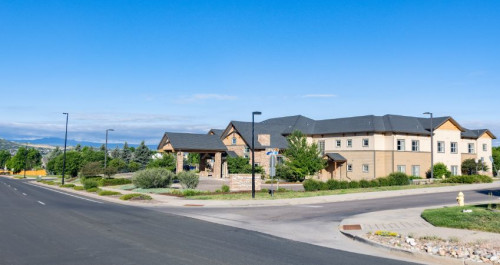

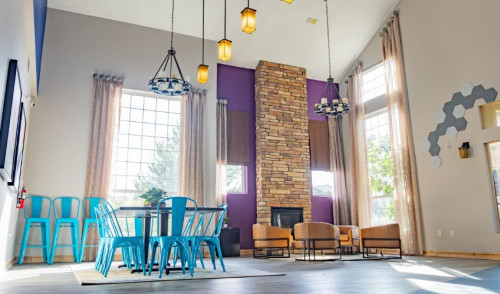
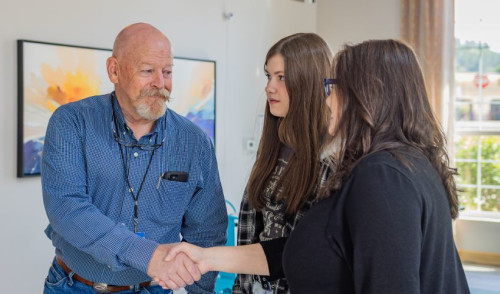

Sandstone Care Teen Center at Castle Rock
Verified Center
This provider's information has been quality-checked by Recovery.com's Research Team for accuracy and completeness, including center verification through appropriate third-party organizations.
Treatment Focus
This center treats mental health conditions and co-occurring substance use. You receive collaborative, individualized treatment that addresses both issues for whole-person healing.
Primary Level of Care
Offering intensive care with 24/7 monitoring, residential treatment is typically 30 days and can cover multiple levels of care. Length can range from 14 to 90 days typically.
Treatment Focus
This center treats mental health conditions and co-occurring substance use. You receive collaborative, individualized treatment that addresses both issues for whole-person healing.
Primary Level of Care
Offering intensive care with 24/7 monitoring, residential treatment is typically 30 days and can cover multiple levels of care. Length can range from 14 to 90 days typically.
Provider's Policy
At Sandstone Care, we accept all major insurance companies. Our experts will contact your insurance provider and provide a free and confidential verification of benefits. This will allow us to determine any deductible amounts, coinsurance, or co-pays to be collected. No one likes a surprise when it comes to insurance coverage and billing. We will ensure you have a clear picture of what the costs of treatment would be and how to maximize your insurance benefits.
Sandstone Care Teen Center at Castle Rock
Sandstone Care Teen Center at Castle Rock
About Sandstone Care Teen Center at Castle Rock
Sandstone Care Teen Center at Castle Rock provides age-appropriate treatment that helps teens change the trajectory of their lives. For teens struggling with mental health and co-occurring issues, their holistic, trauma-informed treatment approach gets to the bottom of what’s hurting a teen’s well-being. They offer residential treatment with small group sizes and a focus on strengthening the family unit. Academic support is also provided to help teens stay on track with coursework.
Improve Values, Habits, and Relationships
Sandstone Care relies on its CLICC Framework—Commitment, Life Skills, Integrity, Connection, Community—to identify areas that need attention for each teen. Through individual and group sessions using scientifically proven therapies, teens are able to recognize their strengths and improve any areas that are holding them back. The goal is to get to the root of problems and have each teen experience a game-changing moment that sets the stage for lasting recovery.
Find Comfort in a Stable Environment
Sandstone Care is situated about 45 minutes north of Denver, near the iconic castle rock formation. Teens stay in a secure lodge with semi-private, comfortable bedrooms and a large deck with beautiful views. With a structured sleep schedule and chef-prepared meals, teens are ready to engage at their best during therapy and activities.
Keep Moving Forward
After residential treatment, Sandstone Care’s dedicated aftercare team ensures teens stay supported with ongoing resources and connections. Their discharge planners offer personalized aftercare planning for continued behavioral health support without the hassle of starting over elsewhere—helping clients maintain momentum and stability.

Highlights from the Center
Highlights
These highlights are provided by and paid for by the center.
1-on-1 Counseling
Equine Therapy
Nature Lovers
Adolescents
Center Overview
Treatment Focus
This center treats mental health conditions and co-occurring substance use. You receive collaborative, individualized treatment that addresses both issues for whole-person healing.
Joint Commission Accredited
The Joint Commission accreditation is a voluntary, objective process that evaluates and accredits healthcare organizations (like treatment centers) based on performance standards designed to improve quality and safety for patients. To be accredited means the treatment center has been found to meet the Commission's standards for quality and safety in patient care.
Insurance Accepted










Cash Pay Rates
Estimated Cash Pay Rate
Center pricing can vary based on program and length of stay. Contact the center for more information. Recovery.com strives for price transparency so you can make an informed decision.



Recovery.com Verified Listing
Recovery.com verified that the name, location, contact information and license to operate for this treatment provider are valid and up-to-date.
Joint Commission Accredited

NAATP Member
Recovery.com is an independent, third-party mental health resource. Verification does not imply endorsement and does not guarantee the quality of treatment services.
Meet Your Care Team

Amanda Porter
Program Director
LPC, LAC

Katelyn Rusk
Primary Therapist
MA, LPC

Pamela Weisman
Family Therapist
MA, LPC, CAS

Ashley Keckeisen
Residential Therapist
MA, LPCC, EMDR, BST
Your Care Options
Specializations
Adolescents
Teens receive the treatment they need for mental health disorders and addiction, with the added support of educational and vocational services.
Anxiety
Anxiety is a common mental health condition that can include excessive worry, panic attacks, physical tension, and increased blood pressure.
Bipolar
This mental health condition is characterized by extreme mood swings between depression, mania, and remission.
Co-Occurring Disorders
A person with multiple mental health diagnoses, such as addiction and depression, has co-occurring disorders also called dual diagnosis.
Depression
Symptoms of depression may include fatigue, a sense of numbness, and loss of interest in activities. This condition can range from mild to severe.
Licensed Primary Mental Health
Some primary care providers offer mental health diagnosis and treatment. This can prevent patients from developing more serious conditions.
Residential
In a residential rehab program, patients live onsite, with access to daily treatment and 24-hour care. An average stay is 30-90 days.
Trauma
Some traumatic events are so disturbing that they cause long-term mental health problems. Those ongoing issues can also be referred to as "trauma."
Who We Treat
Adolescents
Teens receive the treatment they need for mental health disorders and addiction, with the added support of educational and vocational services.
LGBTQ+
Addiction and mental illnesses in the LGBTQ+ community must be treated with an affirming, safe, and relevant approach, which many centers provide.
Treatment Services
Residential
In a residential rehab program, patients live onsite, with access to daily treatment and 24-hour care. An average stay is 30-90 days.
Approaches
Evidence-Based
A combination of scientifically rooted therapies and treatments make up evidence-based care, defined by their measured and proven results.
Individual Treatment
Individual care meets the needs of each patient, using personalized treatment to provide them the most relevant care and greatest chance of success.
Minnesota Model
The Minnesota Model encourages abstinence and family-wide healing through the 12-Steps, group therapy, and individualized, psychological treatment.
Personalized Treatment
The specific needs, histories, and conditions of individual patients receive personalized, highly relevant care throughout their recovery journey.
Therapies
1-on-1 Counseling
Patient and therapist meet 1-on-1 to work through difficult emotions and behavioral challenges in a personal, private setting.
Acceptance and Commitment Therapy (ACT)
This cognitive behavioral therapy teaches patients to accept challenging feelings and make the appropriate changes to reach personal goals.
Attachment-Based Family Therapy
ABFT is a trauma-focused therapy that teaches you to form healthy relationships by rebuilding trust and healing attachment issues formed in childhood.
Equine Therapy
Guided interactions with trained horses, their handler, and a therapist can help patients improve their self-esteem, trust, empathy, and social skills.
Experiential Therapy
With this approach, patients heal by doing. Therapists help patients process difficult emotions to speak, using guided activities like art or dance.
Eye Movement Therapy (EMDR)
Lateral, guided eye movements help reduce the emotional reactions of retelling and reprocessing trauma, allowing intense feelings to dissipate.
Languages
Conditions We Treat
ADHD, ADD
ADHD is a common mental health condition caused by dopamine imbalance. Common symptoms include inattention, hyperactivitiy, and impulsivity.
Anxiety
Anxiety is a common mental health condition that can include excessive worry, panic attacks, physical tension, and increased blood pressure.
Bipolar
This mental health condition is characterized by extreme mood swings between depression, mania, and remission.
Codependency
Codependency is a pattern of emotional dependence and controlling behavior. It's most common among people with addicted loved ones.
Depression
Symptoms of depression may include fatigue, a sense of numbness, and loss of interest in activities. This condition can range from mild to severe.
Obsessive Compulsive Disorder (OCD)
OCD is characterized by intrusive and distressing thoughts that drive repetitive behaviors. This pattern disrupts daily life and relationships.
Personality Disorders
Personality disorders destabilize the way a person thinks, feels, and behaves. If untreated, they can undermine relationships and lead to severe distress.
Post Traumatic Stress Disorder
PTSD is a long-term mental health issue caused by a disturbing event or events. Symptoms include anxiety, dissociation, flashbacks, and intrusive thoughts.
Self-Harm
The act of intentionally harming oneself, also called self-injury, is associated with mental health issues like depression.
Substances We Treat
Co-Occurring Disorders
A person with multiple mental health diagnoses, such as addiction and depression, has co-occurring disorders also called dual diagnosis.
Aftercare
Care Designed for Your Needs
Personal Amenities
Amenities
Special Considerations
Healthy Meals are provided
Great food meets great treatment, with providers serving healthy meals to restore nutrition, wellbeing, and health.
Family Member Stays
Treatment providers welcome family members to stay on-site to better the experience and success of patients and their families as a whole.
Off-Site Activities
Learn More About the Center
5 Reasons Teens Use Drugs
Discover what’s driving risky choices beneath the surface of teen behavior.
Social Media Effects on Teens
Read 8 things you didn’t know about social media and teen mental health.
Adderall Side Effects In Teens
Learn how this commonly prescribed drug can impact mood, sleep, and long-term health.
Why Is It Important To Talk About Cyberbullying?
Understand how cyberbullying affects identity, connection, and mental health over time.