- Addiction
- Mental Health
- About Us
Find Treatment By
Rehabs by Location


Find Treatment By
Learn
About Us
Recovery.com combines independent research with expert guidance on addiction and mental health treatment. Our mission is to help everyone find the best path to recovery through the most comprehensive, helpful network of treatment providers worldwide.
Advisory Council
Our advisory council brings together leaders in behavioral health, technology, and business. Their diverse expertise ensures our resources and product are innovative, evidence-based, and effective. They guide our mission as accomplished individuals dedicated to improving the landscape of addiction recovery and mental wellness.
Serenity Lane Coburg
Treatment Focus
This center treats substance use disorders and co-occurring mental health conditions. Your treatment plan addresses each condition at once with personalized, compassionate care for comprehensive healing.
Primary Level of Care
Offering intensive care with 24/7 monitoring, residential treatment is typically 30 days and can cover multiple levels of care. Length can range from 14 to 90 days typically.
Claimed
Recovery.com has connected directly with this treatment provider to validate the information in their profile.
Treatment Focus
This center treats substance use disorders and co-occurring mental health conditions. Your treatment plan addresses each condition at once with personalized, compassionate care for comprehensive healing.
Primary Level of Care
Offering intensive care with 24/7 monitoring, residential treatment is typically 30 days and can cover multiple levels of care. Length can range from 14 to 90 days typically.
Provider's Policy
Serenity Lane is in-network with most major insurance providers. Their admissions team will guide you through the insurance process and work to ensure maximum coverage and reimbursement for your treatment.
Serenity Lane Coburg
Serenity Lane Coburg
About Serenity Lane Coburg
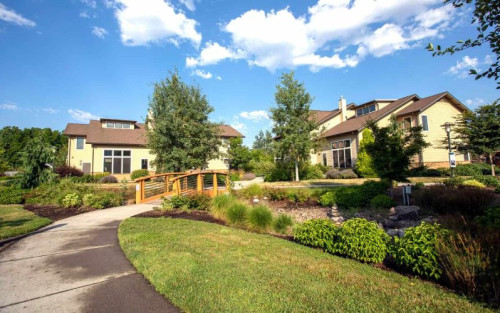
Serenity Lane’s detox and residential program is located in Coburg, Oregon, known for its National Historic District and small town attributes. The center was co-founded by Tom Kerns, who was inspired after he lost his dad at a young age to alcoholism to make addiction treatment services accessible to all. Serenity Lane admits patients 7 days a week with the possibility of same day admission. They treat individuals with substance use disorders and those with dual diagnosis of substance use disorder with a mental health concern.
To start treatment, clients undergo a safe withdrawal from alcohol and/or drugs through medically supported detox, before the nursing staff, physicians, psychiatrists, mental health professionals, and counselors collaborate to develop individualized treatment plans. After detox, clients enter the day treatment or residential program, which offers stabilization and care planning, group and individual therapy, education about substance use disorders, medication management, and a family program.
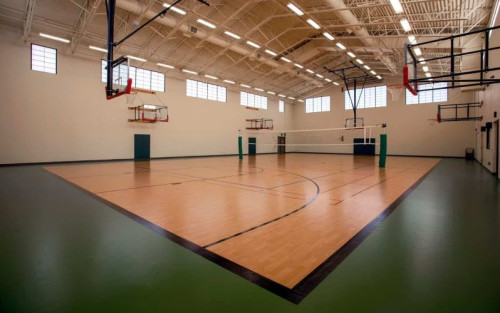
Serenity Lane’s day treatment program is typically 5-7 days a week for 6-8 hours a day but can be a minimum of 4 hours a day and 20 hours a week total. The program is highly structured and the majority of a patient’s day is spent in group therapy with 1 hour dedicated to lunch and 1 hour dedicated to an engaging activity. Staff will create an individualized treatment plan for all patients and additional programming can be added based on individuals' needs. In the program, patients will learn to manage their responsibilities and create schedules that balance their professional and personal lives. Patients in the day treatment program can choose to stay at Serenity Lane’s residential facility during treatment and can apply for weekend passes to visit loved ones or take care of other duties.
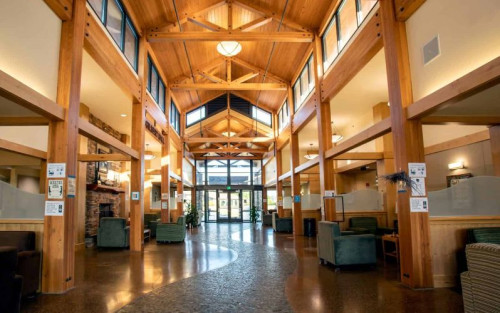
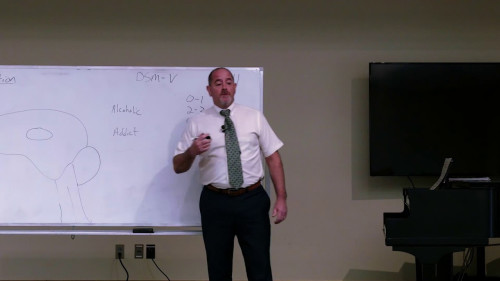
During residential care, individuals will be assigned a counselor to work with throughout their residential stay along with a “buddy” from their group therapy group. Individuals will attend group therapy twice daily, work closely with a patient advocate, and participate in lectures from staff and alumni, readings, and discussion groups. Personal devices and electronic communication are allowed on a case by case basis by the patient’s counselor. For patients without access to their personal cell phones, there are phones available for use in the common areas. Residential treatment typically lasts 30-60 days.
Long-term residential treatment is available for those who are prone to relapse or patients who are required to undergo a specified duration of treatment, for example, professionals in occupational safety and healthcare fields. Duration of stay is based on an individual’s needs. Treatment during long-term residential care will focus on identifying core issues like trauma, and strategies to reduce probability of relapse.
Family Program
Serenity Lane offers a family program, which incorporates education, therapy, and support to rebuild family relationships and communication. They also offer support groups for families. Family visitation during residential treatment takes place on Sundays from 3-5PM.
Tailored Programs
Serenity Lane offers a first responders program that offers specialized clinical and group therapy components to address the unique needs of first responders with a substance use disorder. They offer trauma-informed treatment services that consider first responders’ experiences. The center also provides comprehensive services for healthcare professionals with a substance use disorder. The program includes evaluation, planning, treatment, case management, and advocacy with licensing boards or employers.
Alumni Services
Serenity Lane offers fun events, alumni recovery support meetings, service opportunities, and helpful tips for growing in recovery through their alumni services with some virtual options. In addition, individuals will have access to recovery support for one full year after completion of outpatient treatment.
Driving Under the Influence of Intoxicants (DUII) Programming
The DUII education and diversion programs at Serenity Lane are certified by the state of Oregon and fulfill all court and DMV requirements. Serenity Lane offers DMV certified diversion, treatment groups, and education groups. For individuals who are mandated to treatment, they offer a “Blue Flag” program where patients' progress and attendance can be monitored and reported.
Employer/EAP Services
This center offers special training for business and industry through their employer services program. Training options include recognizing signs of substance abuse, coordinating FMLA, reintegrating employees into the workplace, and more.

Highlights from the Center
Highlights
These highlights are provided by and paid for by the center.
CARF Accredited
Center Overview
Treatment Focus
This center treats substance use disorders and co-occurring mental health conditions. Your treatment plan addresses each condition at once with personalized, compassionate care for comprehensive healing.
CARF Accredited
CARF stands for the Commission on Accreditation of Rehabilitation Facilities. It's an independent, non-profit organization that provides accreditation services for a variety of healthcare services. To be accredited means that the program meets their standards for quality, effectiveness, and person-centered care.

Insurance Accepted






Cash Pay Rates
Estimated Cash Pay Rate
Center pricing can vary based on program and length of stay. Contact the center for more information. Recovery.com strives for price transparency so you can make an informed decision.
Levels of Care


Your Care Options
Specializations
Alcohol
Using alcohol as a coping mechanism, or drinking excessively throughout the week, signals an alcohol use disorder.
Drug Addiction
Drug addiction is the excessive and repetitive use of substances, despite harmful consequences to a person's life, health, and relationships.
Methamphetamine
Methamphetamine, or meth, increases energy, agitation, and paranoia. Long-term use can result in severe physical and mental health issues.
First Responders Program
Paramedics, police officers, firefighters, and others join in a specific First Responders program, usually focused on trauma, grief, and work-life balance.
Who We Treat
Men and Women
Men and women attend treatment for addiction in a co-ed setting, going to therapy groups together to share experiences, struggles, and successes.
Approaches
Family Involvement
Providers involve family in the treatment of their loved one through family therapy, visits, or both–because addiction is a family disease.
Medical
Medical addiction treatment uses approved medications to manage withdrawals and cravings, and to treat contributing mental health conditions.
Personalized Treatment
The specific needs, histories, and conditions of individual patients receive personalized, highly relevant care throughout their recovery journey.
Twelve Step
Incorporating spirituality, community, and responsibility, 12-Step philosophies prioritize the guidance of a Higher Power and a continuation of 12-Step practices.
Therapies
1-on-1 Counseling
Patient and therapist meet 1-on-1 to work through difficult emotions and behavioral challenges in a personal, private setting.
Eye Movement Therapy (EMDR)
Lateral, guided eye movements help reduce the emotional reactions of retelling and reprocessing trauma, allowing intense feelings to dissipate.
Family Therapy
Family therapy addresses group dynamics within a family system, with a focus on improving communication and interrupting unhealthy relationship patterns.
Life Skills
Teaching life skills like cooking, cleaning, clear communication, and even basic math provides a strong foundation for continued recovery.
Medication-Assisted Treatment
Combined with behavioral therapy, prescribed medications can enhance treatment by relieving withdrawal symptoms and focus patients on their recovery.
Psychoeducation
This method combines treatment with education, teaching patients about different paths toward recovery. This empowers them to make more effective decisions.
Languages
Conditions We Treat
Anxiety
Anxiety is a common mental health condition that can include excessive worry, panic attacks, physical tension, and increased blood pressure.
Codependency
Codependency is a pattern of emotional dependence and controlling behavior. It's most common among people with addicted loved ones.
Depression
Symptoms of depression may include fatigue, a sense of numbness, and loss of interest in activities. This condition can range from mild to severe.
Post Traumatic Stress Disorder
PTSD is a long-term mental health issue caused by a disturbing event or events. Symptoms include anxiety, dissociation, flashbacks, and intrusive thoughts.
Stress
Stress is a natural reaction to challenges, and it can even help you adapt. However, chronic stress can cause physical and mental health issues.
Trauma
Some traumatic events are so disturbing that they cause long-term mental health problems. Those ongoing issues can also be referred to as "trauma."
Substances We Treat
Alcohol
Using alcohol as a coping mechanism, or drinking excessively throughout the week, signals an alcohol use disorder.
Benzodiazepines
Benzodiazepines are prescribed to treat anxiety and sleep issues. They are highly habit forming, and their abuse can cause mood changes and poor judgement.
Chronic Relapse
Consistent relapse occurs repeatedly, after partial recovery from addiction. This condition requires long-term treatment.
Co-Occurring Disorders
A person with multiple mental health diagnoses, such as addiction and depression, has co-occurring disorders also called dual diagnosis.
Cocaine
Cocaine is a stimulant with euphoric effects. Agitation, muscle ticks, psychosis, and heart issues are common symptoms of cocaine abuse.
Drug Addiction
Drug addiction is the excessive and repetitive use of substances, despite harmful consequences to a person's life, health, and relationships.
Heroin
Heroin is a highly addictive and illegal opioid. It can cause insomnia, collapsed veins, heart issues, and additional mental health issues.
Methamphetamine
Methamphetamine, or meth, increases energy, agitation, and paranoia. Long-term use can result in severe physical and mental health issues.
Aftercare
Care Designed for Your Needs
Personal Amenities
Special Considerations
First Responders Program
Paramedics, police officers, firefighters, and others join in a specific First Responders program, usually focused on trauma, grief, and work-life balance.
Flexible technology policies
Centers with flexible technology policies allow professionals to stay in touch with work and give patients a greater sense of connection and normalcy.
Activities
What people are saying
Treatment
0.5
Accommodations
0.5
Food & Nutrition
0.5
Value
0.5
Dennis
Treatment in 2025 • (1 day) • Reviewed 04/02/25
Loved One of a Former Client
•Roseburg