- Addiction
- Mental Health
- About Us
Find Treatment By
Rehabs by Location


Find Treatment By
Learn
About Us
Recovery.com combines independent research with expert guidance on addiction and mental health treatment. Our mission is to help everyone find the best path to recovery through the most comprehensive, helpful network of treatment providers worldwide.
Advisory Council
Our advisory council brings together leaders in behavioral health, technology, and business. Their diverse expertise ensures our resources and product are innovative, evidence-based, and effective. They guide our mission as accomplished individuals dedicated to improving the landscape of addiction recovery and mental wellness.
Serenity Springs Recovery Center
Treatment Focus
This center treats substance use disorders and co-occurring mental health conditions. Your treatment plan addresses each condition at once with personalized, compassionate care for comprehensive healing.
Primary Level of Care
Offering intensive care with 24/7 monitoring, residential treatment is typically 30 days and can cover multiple levels of care. Length can range from 14 to 90 days typically.
Claimed
Recovery.com has connected directly with this treatment provider to validate the information in their profile.
Treatment Focus
This center treats substance use disorders and co-occurring mental health conditions. Your treatment plan addresses each condition at once with personalized, compassionate care for comprehensive healing.
Primary Level of Care
Offering intensive care with 24/7 monitoring, residential treatment is typically 30 days and can cover multiple levels of care. Length can range from 14 to 90 days typically.
Provider's Policy
We Accept All Commercial Insurance Plans with Out-of-Networt Behavioral Health Benefits
Serenity Springs Recovery Center
Serenity Springs Recovery Center
About Serenity Springs Recovery Center
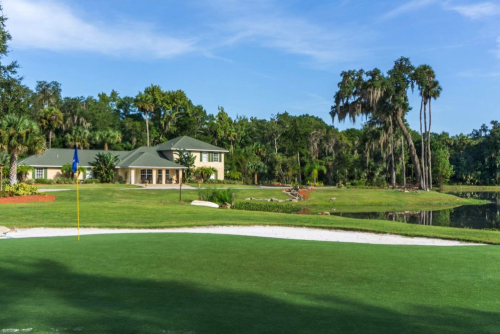
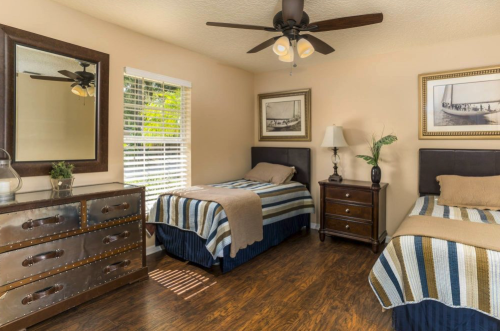
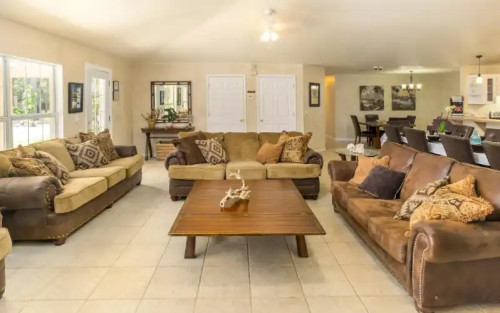
Serenity Springs Recovery Center is a men's-only, dual-accredited, dual-diagnosis rehab specializing in the 12-Steps while incorporating up-to-date clinical and medical services. They offer residential, PHP (Day Treatment), and IOP (intensive outpatient) levels of care on a 38-acre campus. Residential treatment takes place in a private “spiritual sanctuary” in Edgewater, Florida. Spirituality is at the heart of Serenity Springs. Clients begin the day with daily meditation, emotional review, and the development of a relationship with a Higher Power. Healing is structured through a 12-Step foundation of recovery. Serenity Springs Recovery focuses on healing the mind, body, and spirit through a variety of therapies, like eye-movement therapy (EMDR), cognitive behavioral therapy (CBT), acceptance and commitment therapy (ACT), adventure therapy, and life skills. They’re committed to providing the best possible outcomes for each client, through a high level of support and a 2:1 client-to-staff ratio.
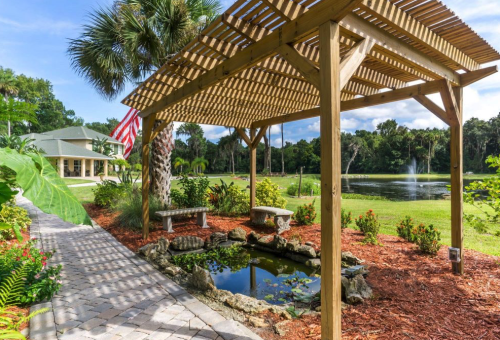
Serenity Springs has water gardens for meditation, a 3-acre lake used for kayaking and fishing, a mile-long walking path around the property, a driving range, and a 700 sq/ft fitness center. Amenities include a full gym for working out, 2 ponds for bass fishing, and a basketball court and driving range. The gym is where yoga, karate, and boxing sessions are led by Serenity Spring’s own nationally certified personal trainer. Nutrition is also an important part of the healing process, which is why they provide gourmet, healthy meals for clients. Off-campus outings and meetings are part of their regular programming, and an acupuncturist comes to campus every week. Serenity Springs was founded in 2011 and is accredited by the Joint Commission. They accept most private insurance.
Center Overview
Treatment Focus
This center treats substance use disorders and co-occurring mental health conditions. Your treatment plan addresses each condition at once with personalized, compassionate care for comprehensive healing.
Joint Commission Accredited
The Joint Commission accreditation is a voluntary, objective process that evaluates and accredits healthcare organizations (like treatment centers) based on performance standards designed to improve quality and safety for patients. To be accredited means the treatment center has been found to meet the Commission's standards for quality and safety in patient care.
Insurance Accepted






Cash Pay Rates
Estimated Cash Pay Rate
Center pricing can vary based on program and length of stay. Contact the center for more information. Recovery.com strives for price transparency so you can make an informed decision.
Meet Your Care Team

Dr. Edda Casanova
Medical Director
MD

Dr. Carmen Sanz
Medical Director
MD

Jose Vera
Nurse Practitioner
APRN

Victoria Waicus
Family Nurse Practitioner
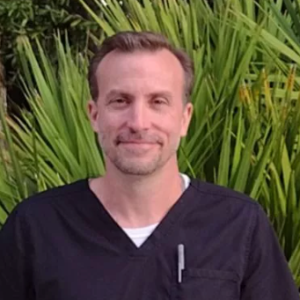
John Saunders
Nurse
LPN
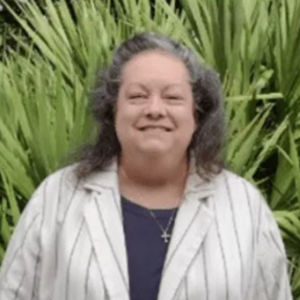
Melissa Gad
Psychiatric Nurse Practitioner/Therapist
APRN
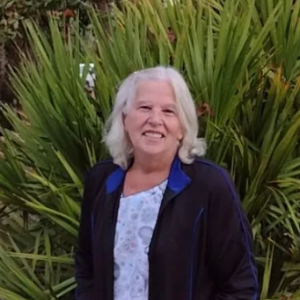
Abbi Marsh
Nurse
LPN
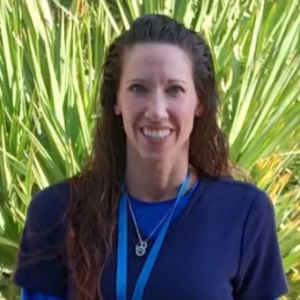
Jacquee Schmiege
Director of Nursing
RN
Michelle Dwyer
Nurse
LPN
Levels of Care


Your Care Options
Specializations
Who We Treat
Therapies
1-on-1 Counseling
Patient and therapist meet 1-on-1 to work through difficult emotions and behavioral challenges in a personal, private setting.
Acceptance and Commitment Therapy (ACT)
This cognitive behavioral therapy teaches patients to accept challenging feelings and make the appropriate changes to reach personal goals.
Adventure Therapy
This experiential approach uses the physical and emotional challenges of outdoor activities as tools for personal growth.
Experiential Therapy
With this approach, patients heal by doing. Therapists help patients process difficult emotions to speak, using guided activities like art or dance.
Eye Movement Therapy (EMDR)
Lateral, guided eye movements help reduce the emotional reactions of retelling and reprocessing trauma, allowing intense feelings to dissipate.
Family Therapy
Family therapy addresses group dynamics within a family system, with a focus on improving communication and interrupting unhealthy relationship patterns.
Gestalt Therapy
This treatment teaches self-awareness, interrupts negative thought patterns, and gives patients insight into how their environment impacts mental health.
Languages
Conditions We Treat
ADHD, ADD
ADHD is a common mental health condition caused by dopamine imbalance. Common symptoms include inattention, hyperactivitiy, and impulsivity.
Anger
Although anger itself isn't a disorder, it can get out of hand. If this feeling interferes with your relationships and daily functioning, treatment can help.
Anxiety
Anxiety is a common mental health condition that can include excessive worry, panic attacks, physical tension, and increased blood pressure.
Bipolar
This mental health condition is characterized by extreme mood swings between depression, mania, and remission.
Codependency
Codependency is a pattern of emotional dependence and controlling behavior. It's most common among people with addicted loved ones.
Depression
Symptoms of depression may include fatigue, a sense of numbness, and loss of interest in activities. This condition can range from mild to severe.
Gambling
Excessive, repetitive gambling causes financial and interpersonal problems. This addiction can interfere with work, friendships, and familial relationships.
Grief and Loss
Grief is a natural reaction to loss, but severe grief can interfere with your ability to function. You can get treatment for this condition.
Internet Addiction
Internet addiction is common among children teens. This compulsive disorder can damage relationships, school performance, sleep habits, and physical health.
Substances We Treat
Alcohol
Using alcohol as a coping mechanism, or drinking excessively throughout the week, signals an alcohol use disorder.
Benzodiazepines
Benzodiazepines are prescribed to treat anxiety and sleep issues. They are highly habit forming, and their abuse can cause mood changes and poor judgement.
Chronic Relapse
Consistent relapse occurs repeatedly, after partial recovery from addiction. This condition requires long-term treatment.
Co-Occurring Disorders
A person with multiple mental health diagnoses, such as addiction and depression, has co-occurring disorders also called dual diagnosis.
Cocaine
Cocaine is a stimulant with euphoric effects. Agitation, muscle ticks, psychosis, and heart issues are common symptoms of cocaine abuse.
Drug Addiction
Drug addiction is the excessive and repetitive use of substances, despite harmful consequences to a person's life, health, and relationships.
Heroin
Heroin is a highly addictive and illegal opioid. It can cause insomnia, collapsed veins, heart issues, and additional mental health issues.
Methamphetamine
Methamphetamine, or meth, increases energy, agitation, and paranoia. Long-term use can result in severe physical and mental health issues.
Opioids
Opioids produce pain-relief and euphoria, which can lead to addiction. This class of drugs includes prescribed medication and the illegal drug heroin.
Care Designed for Your Needs
Personal Amenities
Amenities
Special Considerations
Gender-specific groups
Patients in gender-specific groups gain the opportunity to discuss challenges unique to their gender in a comfortable, safe setting conducive to healing.