- Addiction
- Mental Health
- About Us
Find Treatment By
Rehabs by Location


Find Treatment By
Learn
About Us
Recovery.com combines independent research with expert guidance on addiction and mental health treatment. Our mission is to help everyone find the best path to recovery through the most comprehensive, helpful network of treatment providers worldwide.
Advisory Council
Our advisory council brings together leaders in behavioral health, technology, and business. Their diverse expertise ensures our resources and product are innovative, evidence-based, and effective. They guide our mission as accomplished individuals dedicated to improving the landscape of addiction recovery and mental wellness.



Summit Estate
Verified Center
This provider's information has been quality-checked by Recovery.com's Research Team for accuracy and completeness, including center verification through appropriate third-party organizations.
Treatment Focus
This center treats substance use disorders and co-occurring mental health conditions. Your treatment plan addresses each condition at once with personalized, compassionate care for comprehensive healing.
Primary Level of Care
Offering intensive care with 24/7 monitoring, residential treatment is typically 30 days and can cover multiple levels of care. Length can range from 14 to 90 days typically.
Treatment Focus
This center treats substance use disorders and co-occurring mental health conditions. Your treatment plan addresses each condition at once with personalized, compassionate care for comprehensive healing.
Primary Level of Care
Offering intensive care with 24/7 monitoring, residential treatment is typically 30 days and can cover multiple levels of care. Length can range from 14 to 90 days typically.
Provider's Policy
Our inpatient and outpatient treatment programs accept most employer-provided PPO insurance. Summit Estate offers a substantial “prompt payment” discount for those who would prefer not to use insurance or to private pay. Summit is unable to accept State, County, or Kaiser insurance at this time.
Summit Estate
Summit Estate
About Summit Estate
Summit Estate treats addiction and co-occurring mental health conditions with a full continuum of evidence-based and holistic care to address the mind, body, and spirit. Clients can progress through detox, residential treatment, and outpatient care. Outpatient includes day treatment, intensive outpatient, and aftercare. Outpatient levels of care are available through telehealth for greater access and convenience.
Comprehensive Treatment Delivered by Professionals
Summit Estate’s experienced staff includes partner physicians, therapists, counselors, and nursing staff. Medical staff monitor detox 24/7 for added safety and comfort. They have a 3:1 staff-to-client ratio for an intimate, personalized recovery experience throughout treatment. Clients receive at least one weekly individual therapy session and group therapy twice daily. Summit Estate’s therapies include:
•Cognitive behavioral therapy (CBT)
•Dialectical behavioral therapy (DBT)
•Family therapy
•Mindfulness techniques
•Art therapy
A Full Continuum of Dual-Diagnosis Care
Summit Estate treats co-occurring anxiety, depression, trauma/PTSD, and bipolar disorder. Their 3-pronged treatment approach addresses the whole person using holistic activities, therapeutic counseling, and a non-12-Step approach. After residential treatment, clients can attend outpatient care in Summit Estate’s San Jose location. There, they can join day treatment and meet Monday-Friday from 12-9pm. In their intensive outpatient program (IOP), clients meet for 2-3 hours a day 3-5 times weekly.
Private, Luxury Center and Supportive Aftercare
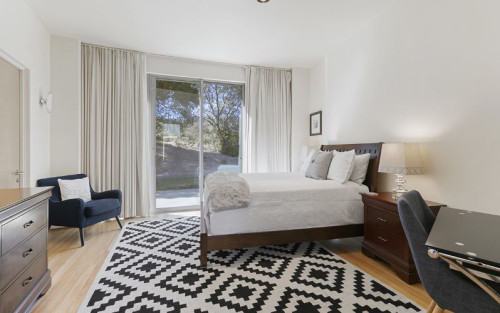
Summit Estate has private and semi-private bedrooms, a gym and personal trainer, a sauna, a hot tub, and yoga sessions. Massage and acupuncture are available for an additional cost. Clients and Summit Estate’s team go on weekly sober outings to beaches, museums, sporting events, and more. After completing treatment, clients in aftercare can attend weekly group sessions for 52 continuous weeks.

Center Overview
Treatment Focus
This center treats substance use disorders and co-occurring mental health conditions. Your treatment plan addresses each condition at once with personalized, compassionate care for comprehensive healing.
Joint Commission Accredited
The Joint Commission accreditation is a voluntary, objective process that evaluates and accredits healthcare organizations (like treatment centers) based on performance standards designed to improve quality and safety for patients. To be accredited means the treatment center has been found to meet the Commission's standards for quality and safety in patient care.

Insurance Accepted





Cash Pay Rates
Estimated Cash Pay Rate
Center pricing can vary based on program and length of stay. Contact the center for more information. Recovery.com strives for price transparency so you can make an informed decision.
Luxury rehab centers offer a unique blend of luxurious amenities and high-quality treatment. From private suites to gourmet dining, personal trainers to spa treatments, these facilities provide a high level of comfort and discretion.
Top 50 Rehabs in the World
Meet Your Care Team

Tyler Fitzgerald
Clinical Director
LMFT

Sergei Vidov
Chief Executive Officer

Dr. Lisa Benya D.O.
Internal Medicine

Dr. William Stanley
Health Care Practitioner
MD

Roshin Kaduthanath Abraham
Therapist
LPCC, LAADC
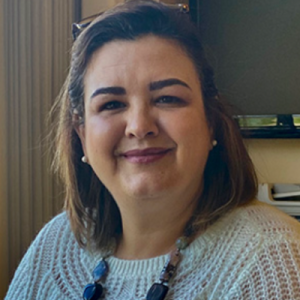
Angela Goncalves
Director of Operations

Megan Duffy
Outpatient Coordinator/Therapist
LCSW
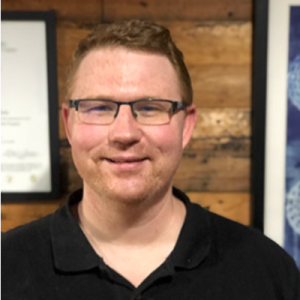
David Jordan
Therapist
M.S., LMFT
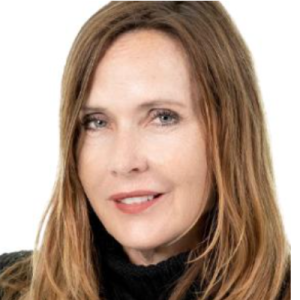
Jeannine Hayden
Health Care Practitioner
NP
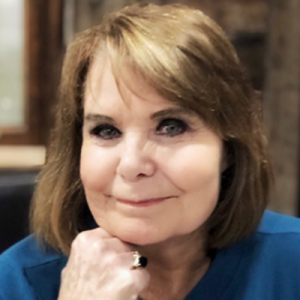
Shelley E. McAlpine
Counselor
M.A., LAADC

Judy Isaac
Administration Coordinator
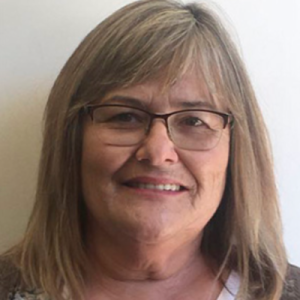
Debbie Clarke
Councelor
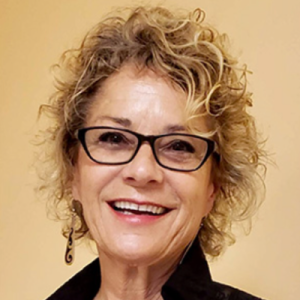
Annee Delaware
Group Facilitator

Martha Sanchez
Chef

Sergio Guzman
Chef
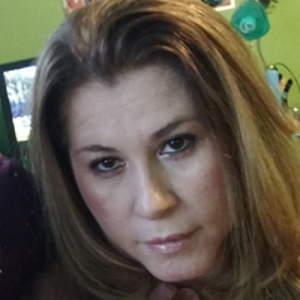
Angelica Chavez
Housekeeping

Amanda Smith
Licensed Vocational Nurse
LVN


Levels of Care


Your Care Options
Specializations
Alcohol
Using alcohol as a coping mechanism, or drinking excessively throughout the week, signals an alcohol use disorder.
Benzodiazepines
Benzodiazepines are prescribed to treat anxiety and sleep issues. They are highly habit forming, and their abuse can cause mood changes and poor judgement.
Heroin
Heroin is a highly addictive and illegal opioid. It can cause insomnia, collapsed veins, heart issues, and additional mental health issues.
Psychedelics
Hallucinogenic drugs—like LSD—cause euphoria and increased sensory experiences. When abused, they can lead to depression and psychosis.
Prescription Drugs
It's possible to abuse any drug, even prescribed ones. If you crave a medication, or regularly take it more than directed, you may have an addiction.
Who We Treat
Executives
Executive treatment programs typically directly support the needs of people who manage businesses and may provide flexible schedules and office space to allow work during treatment.
Men and Women
Men and women attend treatment for addiction in a co-ed setting, going to therapy groups together to share experiences, struggles, and successes.
Professionals
Busy, high-ranking professionals get the personalized treatment they need with greater accommodations for work, privacy, and outside communication.
Approaches
Evidence-Based
A combination of scientifically rooted therapies and treatments make up evidence-based care, defined by their measured and proven results.
Holistic
A non-medicinal, wellness-focused approach that aims to align the mind, body, and spirit for deep and lasting healing.
Individual Treatment
Individual care meets the needs of each patient, using personalized treatment to provide them the most relevant care and greatest chance of success.
Non 12 Step
Non-12-Step philosophies veer from the spiritual focus of the 12-Steps and instead treat the disease of addiction with holistic or secular modalities.
Therapies
1-on-1 Counseling
Patient and therapist meet 1-on-1 to work through difficult emotions and behavioral challenges in a personal, private setting.
Adventure Therapy
This experiential approach uses the physical and emotional challenges of outdoor activities as tools for personal growth.
Art Therapy
Visual art invites patients to examine the emotions within their work, focusing on the process of creativity and its gentle therapeutic power.
Equine Therapy
Guided interactions with trained horses, their handler, and a therapist can help patients improve their self-esteem, trust, empathy, and social skills.
Family Therapy
Family therapy addresses group dynamics within a family system, with a focus on improving communication and interrupting unhealthy relationship patterns.
Interpersonal Therapy
This brief and structured therapy addresses present relationships and improves overall communication at work, home, and other social settings.
Massage Therapy
Massage therapy relieves physical and emotional tension, reduces pain, promotes relaxation, and improves emotion regulation.
Languages
Conditions We Treat
ADHD, ADD
ADHD is a common mental health condition caused by dopamine imbalance. Common symptoms include inattention, hyperactivitiy, and impulsivity.
Anger
Although anger itself isn't a disorder, it can get out of hand. If this feeling interferes with your relationships and daily functioning, treatment can help.
Anxiety
Anxiety is a common mental health condition that can include excessive worry, panic attacks, physical tension, and increased blood pressure.
Bipolar
This mental health condition is characterized by extreme mood swings between depression, mania, and remission.
Codependency
Codependency is a pattern of emotional dependence and controlling behavior. It's most common among people with addicted loved ones.
Depression
Symptoms of depression may include fatigue, a sense of numbness, and loss of interest in activities. This condition can range from mild to severe.
Personality Disorders
Personality disorders destabilize the way a person thinks, feels, and behaves. If untreated, they can undermine relationships and lead to severe distress.
Post Traumatic Stress Disorder
PTSD is a long-term mental health issue caused by a disturbing event or events. Symptoms include anxiety, dissociation, flashbacks, and intrusive thoughts.
Trauma
Some traumatic events are so disturbing that they cause long-term mental health problems. Those ongoing issues can also be referred to as "trauma."
Substances We Treat
Alcohol
Using alcohol as a coping mechanism, or drinking excessively throughout the week, signals an alcohol use disorder.
Benzodiazepines
Benzodiazepines are prescribed to treat anxiety and sleep issues. They are highly habit forming, and their abuse can cause mood changes and poor judgement.
Co-Occurring Disorders
A person with multiple mental health diagnoses, such as addiction and depression, has co-occurring disorders also called dual diagnosis.
Cocaine
Cocaine is a stimulant with euphoric effects. Agitation, muscle ticks, psychosis, and heart issues are common symptoms of cocaine abuse.
Drug Addiction
Drug addiction is the excessive and repetitive use of substances, despite harmful consequences to a person's life, health, and relationships.
Ecstasy
Ecstasy is a stimulant that causes intense euphoria and heightened awareness. Abuse of this drug can trigger depression, insomnia, and memory problems.
Heroin
Heroin is a highly addictive and illegal opioid. It can cause insomnia, collapsed veins, heart issues, and additional mental health issues.
Methamphetamine
Methamphetamine, or meth, increases energy, agitation, and paranoia. Long-term use can result in severe physical and mental health issues.
Aftercare
Care Designed for Your Needs
Personal Amenities
Amenities
Special Considerations
Activities
Off-Site Activities
What people are saying
Treatment
4.6
Accommodations
4.5
Food & Nutrition
4.4
Value
4.3
Pros
- Beautiful Location (5)
- Supportive Aftercare (5)
- Treated My Loved One With Respect (4)
- Very Informative (3)
Cons
- Not Enough Time With Therapist (2)
Melissa R
Treatment in 2023 • (30 days) • Reviewed 10/27/23
Former Client
•Retired teacher
Frank F
Treatment in 2020 • (30 days) • Reviewed 10/30/23
Former Client
•Vice President
Susan
(30 days) • Reviewed 10/28/23
Loved One of a Former Client
DTR
Treatment in 2023 • (30 days) • Reviewed 11/12/23
Former Client
•Finance
Robin
Treatment in 2021 • (30 days) • Reviewed 12/21/23
Loved One of a Former Client