- Addiction
- Mental Health
- About Us
Find Treatment By
Rehabs by Location


Find Treatment By
Learn
About Us
Recovery.com combines independent research with expert guidance on addiction and mental health treatment. Our mission is to help everyone find the best path to recovery through the most comprehensive, helpful network of treatment providers worldwide.
Advisory Council
Our advisory council brings together leaders in behavioral health, technology, and business. Their diverse expertise ensures our resources and product are innovative, evidence-based, and effective. They guide our mission as accomplished individuals dedicated to improving the landscape of addiction recovery and mental wellness.
Teen Challenge Adventure Ranch for Boys
Verified Center
This provider's information has been quality-checked by Recovery.com's Research Team for accuracy and completeness, including center verification through appropriate third-party organizations.
Treatment Focus
This center treats substance use disorders and mental health conditions. You'll receive individualized care catered to your unique situation and diagnosis, learn practical skills for recovery, and make new connections in a restorative environment.
Primary Level of Care
Offering intensive care with 24/7 monitoring, residential treatment is typically 30 days and can cover multiple levels of care. Length can range from 14 to 90 days typically.
Treatment Focus
This center treats substance use disorders and mental health conditions. You'll receive individualized care catered to your unique situation and diagnosis, learn practical skills for recovery, and make new connections in a restorative environment.
Primary Level of Care
Offering intensive care with 24/7 monitoring, residential treatment is typically 30 days and can cover multiple levels of care. Length can range from 14 to 90 days typically.
Provider's Policy
Teen Challenge Adventure Ranch works with most major medical insurance providers. Our team can run a free, confidential verification of benefits and provide you with an accurate out of pocket cost for treatment services with your insurance benefits.
Teen Challenge Adventure Ranch for Boys
Teen Challenge Adventure Ranch for Boys
About Teen Challenge Adventure Ranch for Boys
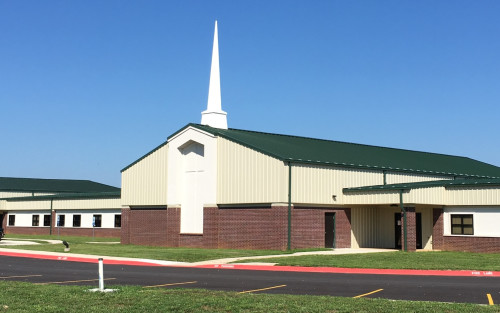
Teen Challenge Adventure Ranch offers a holistic and Christ-centered residential program for boys aged 14-17, designed to address a wide range of challenges. Combining trauma-informed care, professional therapy, academic support, and outdoor adventure, the program focuses on helping at-risk boys overcome issues such as trauma, adoption-related struggles, negative peer influences, physical abuse, and addictions to substances, gaming, or pornography. With a commitment to mental wellness, behavioral growth, and academic success, the program prepares young men for a positive and hopeful future.
Family-First Healing Approach
At Teen Challenge Adventure Ranch, family is central to the healing journey. Every 8 weeks, Family Reconnect Day combines meaningful visitation with intensive therapy, while weekly virtual check-ins keep everyone aligned and engaged. With 24/7 mentorship from a dedicated team and personalized care, each teen receives up to five individual therapy sessions weekly, plus group and addiction recovery services. Flexible stays, from 90 days to 9-10 months, ensure support is tailored to every boy's unique needs, fostering lasting transformation.
Daily Life & Adventure-Based Therapy
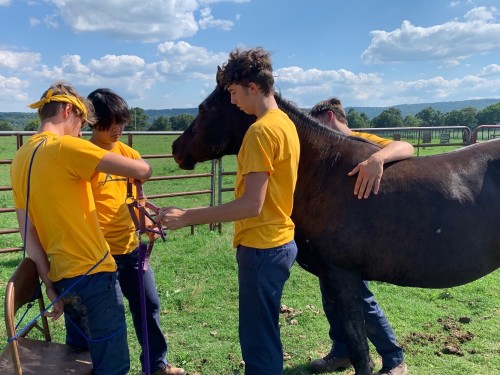
A structured weekday schedule balances academics, therapy, and physical activities. Mornings begin with breakfast, devotions, and classes, followed by group sessions, life skills training, and evening chapel services. Weekends offer more relaxed recreation, church outings, and downtime. Adventure therapy activities, including hiking, rappelling, canoeing, and equine therapy, encourage active engagement and personal growth.
Academic Recovery
Teen Challenge Adventure Ranch provides accredited, GED-tract, or personal-growth academic options tailored to meet the individual needs of each student. Their therapeutic classroom environment provides the flexibility for self-paced study supported by one-on-one tutoring with certified teachers, helping teens learn and build skills for the future.
Campus & Amenities
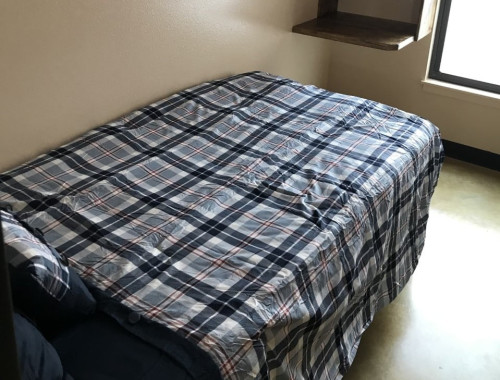
Set on a serene 31-acre campus in the Ozark Mountains, the center provides a safe and supportive environment. Boys enjoy private bedrooms equipped with a bed, desk, and window, alongside shared bathrooms designed for privacy. Dorms feature common areas with ping pong tables, kitchenettes, sofas, and TVs.
The campus boasts extensive amenities, including:
Recreational Facilities: CrossFit gym, indoor basketball court, game room, and outdoor adventure areas. Equestrian Center: A newly built space for equine-assisted therapy.Dining & Health: On-site chef, full cafeteria, and 24/7 nurse availability for medication management.Outdoor Spaces: Fire pits, hammocks, picnic tables, and serene natural surroundings.

Highlights from the Center
Highlights
These highlights are provided by and paid for by the center.
Nature Lovers
Trauma-Informed Care
Adolescents
Spiritual Emphasis
Center Overview
Treatment Focus
This center treats substance use disorders and mental health conditions. You'll receive individualized care catered to your unique situation and diagnosis, learn practical skills for recovery, and make new connections in a restorative environment.
CARF Accredited
CARF stands for the Commission on Accreditation of Rehabilitation Facilities. It's an independent, non-profit organization that provides accreditation services for a variety of healthcare services. To be accredited means that the program meets their standards for quality, effectiveness, and person-centered care.

Insurance Accepted






Cash Pay Rates
Estimated Cash Pay Rate
Center pricing can vary based on program and length of stay. Contact the center for more information. Recovery.com strives for price transparency so you can make an informed decision.
Meet Your Care Team

Abigail Johnson
APRN, PMHNP-BC, MSN

Adam Persenaire
MSW, LCSW, A.R.T., EMDR Trauma Trained

Cheryl Comfort
MS, LPC, TF-CBT, ART

Katie Carney
LPC

Ryan Sylvester
MS, LAC, NCC, ART, Trauma Therapy Trained


Levels of Care


Your Care Options
Specializations
Adolescents
Teens receive the treatment they need for mental health disorders and addiction, with the added support of educational and vocational services.
Adventure Therapy
This experiential approach uses the physical and emotional challenges of outdoor activities as tools for personal growth.
Co-Occurring Disorders
A person with multiple mental health diagnoses, such as addiction and depression, has co-occurring disorders also called dual diagnosis.
Drug Addiction
Drug addiction is the excessive and repetitive use of substances, despite harmful consequences to a person's life, health, and relationships.
Gaming
Compulsive gaming is most often a problem for children and teens. The disorder can affect physical health, sleep, and the ability to focus at school.
Christian
Through surrender and commitment to Christ, patients refocus the efforts and source of their recovery with clinical and spiritual care.
Trauma
Some traumatic events are so disturbing that they cause long-term mental health problems. Those ongoing issues can also be referred to as "trauma."
Who We Treat
Adolescents
Teens receive the treatment they need for mental health disorders and addiction, with the added support of educational and vocational services.
Approaches
Christian
Through surrender and commitment to Christ, patients refocus the efforts and source of their recovery with clinical and spiritual care.
Evidence-Based
A combination of scientifically rooted therapies and treatments make up evidence-based care, defined by their measured and proven results.
Experiential
Expressive tools and therapies help patients process past situations, learn more about themselves, and find healing through action.
Gender-Specific
Separate treatment for men or women can create strong peer connections and remove barriers related to trauma, shame, and gender-specific nuances.
Therapies
1-on-1 Counseling
Patient and therapist meet 1-on-1 to work through difficult emotions and behavioral challenges in a personal, private setting.
Adventure Therapy
This experiential approach uses the physical and emotional challenges of outdoor activities as tools for personal growth.
Animal Therapy
Animals can inspire trust and self-worth. In this experiential therapy, guided interactions are used to improve social skills and emotion regulation.
Equine Therapy
Guided interactions with trained horses, their handler, and a therapist can help patients improve their self-esteem, trust, empathy, and social skills.
Experiential Therapy
With this approach, patients heal by doing. Therapists help patients process difficult emotions to speak, using guided activities like art or dance.
Eye Movement Therapy (EMDR)
Lateral, guided eye movements help reduce the emotional reactions of retelling and reprocessing trauma, allowing intense feelings to dissipate.
Family Therapy
Family therapy addresses group dynamics within a family system, with a focus on improving communication and interrupting unhealthy relationship patterns.
Languages
Conditions We Treat
ADHD, ADD
ADHD is a common mental health condition caused by dopamine imbalance. Common symptoms include inattention, hyperactivitiy, and impulsivity.
Anger
Although anger itself isn't a disorder, it can get out of hand. If this feeling interferes with your relationships and daily functioning, treatment can help.
Anxiety
Anxiety is a common mental health condition that can include excessive worry, panic attacks, physical tension, and increased blood pressure.
Bipolar
This mental health condition is characterized by extreme mood swings between depression, mania, and remission.
Codependency
Codependency is a pattern of emotional dependence and controlling behavior. It's most common among people with addicted loved ones.
Depression
Symptoms of depression may include fatigue, a sense of numbness, and loss of interest in activities. This condition can range from mild to severe.
Gambling
Excessive, repetitive gambling causes financial and interpersonal problems. This addiction can interfere with work, friendships, and familial relationships.
Gaming
Compulsive gaming is most often a problem for children and teens. The disorder can affect physical health, sleep, and the ability to focus at school.
Grief and Loss
Grief is a natural reaction to loss, but severe grief can interfere with your ability to function. You can get treatment for this condition.
Substances We Treat
Alcohol
Using alcohol as a coping mechanism, or drinking excessively throughout the week, signals an alcohol use disorder.
Benzodiazepines
Benzodiazepines are prescribed to treat anxiety and sleep issues. They are highly habit forming, and their abuse can cause mood changes and poor judgement.
Chronic Relapse
Consistent relapse occurs repeatedly, after partial recovery from addiction. This condition requires long-term treatment.
Co-Occurring Disorders
A person with multiple mental health diagnoses, such as addiction and depression, has co-occurring disorders also called dual diagnosis.
Cocaine
Cocaine is a stimulant with euphoric effects. Agitation, muscle ticks, psychosis, and heart issues are common symptoms of cocaine abuse.
Drug Addiction
Drug addiction is the excessive and repetitive use of substances, despite harmful consequences to a person's life, health, and relationships.
Ecstasy
Ecstasy is a stimulant that causes intense euphoria and heightened awareness. Abuse of this drug can trigger depression, insomnia, and memory problems.
Methamphetamine
Methamphetamine, or meth, increases energy, agitation, and paranoia. Long-term use can result in severe physical and mental health issues.
Aftercare
Care Designed for Your Needs
Personal Amenities
Amenities
Special Considerations
Young Adults Program
Programs for young adults bring teens 18+ together to discuss age-specific challenges, vocational and educational progress, and successes in treatment.
Center Pets
Addiction and mental health facilities with pets allow patients to interact with friendly dogs, cats, horses, and in some cases, even dolphins.
Gender-specific groups
Patients in gender-specific groups gain the opportunity to discuss challenges unique to their gender in a comfortable, safe setting conducive to healing.
Religion-Based Track
Patients can join faith-based recovery tracks to approach recovery with others in their faith, healing in a like-minded group with similar goals.
Activities
Off-Site Activities
What people are saying
Treatment
5.0
Accommodations
5.0
Food & Nutrition
5.0
Value
5.0
Sevi & Yiannis Kakos
Treatment in 2025 • (180+ days) • Reviewed 10/18/25
Former Client
•Teacher
•New York city