- Addiction
- Mental Health
- About Us
Find Treatment By
Rehabs by Location


Find Treatment By
Learn
About Us
Recovery.com combines independent research with expert guidance on addiction and mental health treatment. Our mission is to help everyone find the best path to recovery through the most comprehensive, helpful network of treatment providers worldwide.
Advisory Council
Our advisory council brings together leaders in behavioral health, technology, and business. Their diverse expertise ensures our resources and product are innovative, evidence-based, and effective. They guide our mission as accomplished individuals dedicated to improving the landscape of addiction recovery and mental wellness.

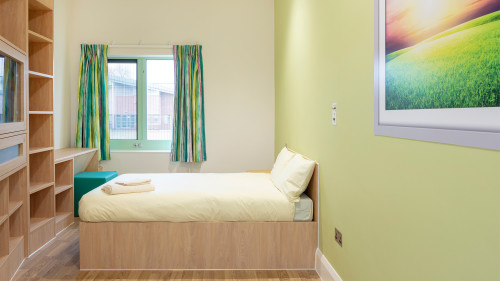
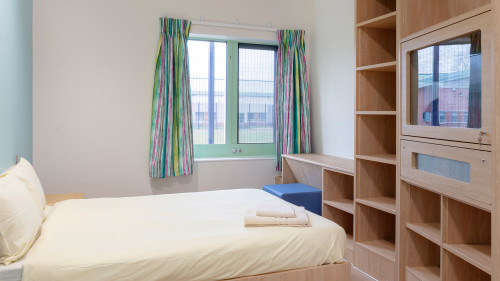

Priory Middleton St. George Hospital
Treatment Focus
This center treats mental health conditions and co-occurring substance use. You receive collaborative, individualized treatment that addresses both issues for whole-person healing.
Primary Level of Care
Offering intensive care with 24/7 monitoring, residential treatment is typically 30 days and can cover multiple levels of care. Length can range from 14 to 90 days typically.
Claimed
Recovery.com has connected directly with this treatment provider to validate the information in their profile.
Treatment Focus
This center treats mental health conditions and co-occurring substance use. You receive collaborative, individualized treatment that addresses both issues for whole-person healing.
Primary Level of Care
Offering intensive care with 24/7 monitoring, residential treatment is typically 30 days and can cover multiple levels of care. Length can range from 14 to 90 days typically.
Provider's Policy
We are a registered and approved provider for all of the UK’s leading private medical insurers, including Aviva, AXA Health, Bupa, Cigna, Healix, Vitality and WPA.
Priory Middleton St. George Hospital
Priory Middleton St. George Hospital
About Priory Middleton St. George Hospital
Set in a peaceful rural environment, Priory Hospital Middleton St. George provides specialist treatment for mental health conditions, substance use disorders, and eating disorders. The hospital features 104 beds across acute care, rehab and recovery (R&R), and psychiatric intensive care (PICU). Patients benefit from a therapeutic setting with landscaped gardens, a gym, shared lounges, and a female-only space. Free parking is available for visitors.
Personalised Treatment for Lasting Recovery
A multidisciplinary team of clinicians tailors individualised treatment plans, supporting clients in achieving personal goals and long-term independence. Treatment incorporates dialectical behaviour therapy (DBT) and other evidence-based therapies designed to help clients manage emotions and develop healthy coping strategies. The hospital fosters a structured and supportive environment, promoting emotional stability and sustainable recovery.
Admission Criteria and Inclusivity
Priory Hospital Middleton St. George welcomes both men and women, ensuring equal access to high-quality care. However, the hospital does not admit clients with a history of arson or those at risk of absconding. This commitment to safety and structured care ensures a secure and therapeutic environment for all residents.
Center Overview
Treatment Focus
This center treats mental health conditions and co-occurring substance use. You receive collaborative, individualized treatment that addresses both issues for whole-person healing.
Insurance Accepted

Cash Pay Rates
Estimated Cash Pay Rate
Center pricing can vary based on program and length of stay. Contact the center for more information. Recovery.com strives for price transparency so you can make an informed decision.
Levels of Care


Your Care Options
Specializations
Schizophrenia
Schizophrenia is a serious mental health condition that causes hallucinations, delusions, and disordered thinking.
Personality Disorders
Personality disorders destabilize the way a person thinks, feels, and behaves. If untreated, they can undermine relationships and lead to severe distress.
Self-Harm
The act of intentionally harming oneself, also called self-injury, is associated with mental health issues like depression.
Who We Treat
Men and Women
Men and women attend treatment for addiction in a co-ed setting, going to therapy groups together to share experiences, struggles, and successes.
Approaches
Evidence-Based
A combination of scientifically rooted therapies and treatments make up evidence-based care, defined by their measured and proven results.
Gender-Specific
Separate treatment for men or women can create strong peer connections and remove barriers related to trauma, shame, and gender-specific nuances.
Individual Treatment
Individual care meets the needs of each patient, using personalized treatment to provide them the most relevant care and greatest chance of success.
Personalized Treatment
The specific needs, histories, and conditions of individual patients receive personalized, highly relevant care throughout their recovery journey.
Therapies
1-on-1 Counseling
Patient and therapist meet 1-on-1 to work through difficult emotions and behavioral challenges in a personal, private setting.
Languages
Conditions We Treat
Anxiety
Anxiety is a common mental health condition that can include excessive worry, panic attacks, physical tension, and increased blood pressure.
Bipolar
This mental health condition is characterized by extreme mood swings between depression, mania, and remission.
Depression
Symptoms of depression may include fatigue, a sense of numbness, and loss of interest in activities. This condition can range from mild to severe.
Eating Disorders
An eating disorder is a long-term pattern of unhealthy behavior relating to food. Most people with eating disorders have a distorted self-image.
Personality Disorders
Personality disorders destabilize the way a person thinks, feels, and behaves. If untreated, they can undermine relationships and lead to severe distress.
Schizophrenia
Schizophrenia is a serious mental health condition that causes hallucinations, delusions, and disordered thinking.
Self-Harm
The act of intentionally harming oneself, also called self-injury, is associated with mental health issues like depression.
Trauma
Some traumatic events are so disturbing that they cause long-term mental health problems. Those ongoing issues can also be referred to as "trauma."
Substances We Treat
Alcohol
Using alcohol as a coping mechanism, or drinking excessively throughout the week, signals an alcohol use disorder.
Co-Occurring Disorders
A person with multiple mental health diagnoses, such as addiction and depression, has co-occurring disorders also called dual diagnosis.
Drug Addiction
Drug addiction is the excessive and repetitive use of substances, despite harmful consequences to a person's life, health, and relationships.
Smoking Cessation
Quitting smoking—i.e., ceasing to smoke—means giving up smoking nicotine and tobacco products. This process has very important health benefits.
Care Designed for Your Needs
Personal Amenities
Amenities
Special Considerations
Gender-specific groups
Patients in gender-specific groups gain the opportunity to discuss challenges unique to their gender in a comfortable, safe setting conducive to healing.