- Addiction
- Mental Health
- About Us
Find Treatment By
Rehabs by Location


Find Treatment By
Learn
About Us
Recovery.com combines independent research with expert guidance on addiction and mental health treatment. Our mission is to help everyone find the best path to recovery through the most comprehensive, helpful network of treatment providers worldwide.
Advisory Council
Our advisory council brings together leaders in behavioral health, technology, and business. Their diverse expertise ensures our resources and product are innovative, evidence-based, and effective. They guide our mission as accomplished individuals dedicated to improving the landscape of addiction recovery and mental wellness.
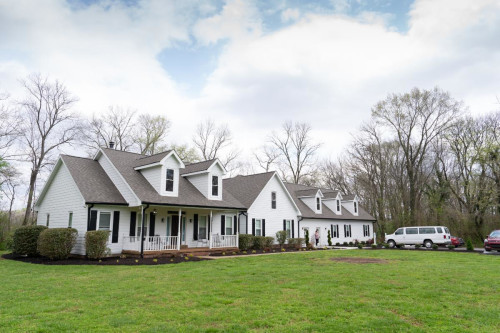



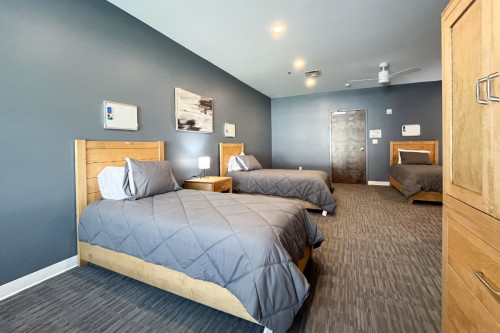
The Ranch Tennessee
Verified Center
This provider's information has been quality-checked by Recovery.com's Research Team for accuracy and completeness, including center verification through appropriate third-party organizations.
Treatment Focus
This center treats substance use disorders and mental health conditions. You'll receive individualized care catered to your unique situation and diagnosis, learn practical skills for recovery, and make new connections in a restorative environment.
Primary Level of Care
Offering intensive care with 24/7 monitoring, residential treatment is typically 30 days and can cover multiple levels of care. Length can range from 14 to 90 days typically.
Treatment Focus
This center treats substance use disorders and mental health conditions. You'll receive individualized care catered to your unique situation and diagnosis, learn practical skills for recovery, and make new connections in a restorative environment.
Primary Level of Care
Offering intensive care with 24/7 monitoring, residential treatment is typically 30 days and can cover multiple levels of care. Length can range from 14 to 90 days typically.
Provider's Policy
We are in-network with many major insurance carriers and accept most PPO insurance carriers. Please call our admissions team for a free insurance benefits check. We’ll work directly with your insurance company to determine your coverage eligibility and maximize the benefits potentially available to you.
The Ranch Tennessee
The Ranch Tennessee
About The Ranch Tennessee
Recovery Ranch pairs skilled clinical care for substance use and a wide range of mental-health conditions with a warm approach that actually feels like coming home. They offer residential/inpatient care and outpatient options so people can begin in a safe, structured setting and step down into ongoing support as they strengthen recovery.
Leave Ready: Life Skills and Support at the Ranch
It’s not just about getting sober—The Ranch centers treatment on helping people rebuild the relationships and everyday life they care about. Their skills-based approach gives clients practical tools, from learning to regulate their bodies and manage intense emotions to concrete relapse-prevention and life-skills work. With over 30 days of tailored care, plus webinars and ongoing support, clients walk away with a real toolkit and a supportive community behind them. The program is designed so clients leave feeling capable and ready for what life throws them.
Enjoy a Place to Slow Down & Come Home to Oneself
Only 45 minutes from Nashville, The Ranch’s flagship feels like a cozy village where every residence offers privacy and comfort. Golf carts and vans whisk clients between therapy, fresh-air breaks, and the shared, home-cooked meals they help create. Over 30 days of programming—plus a ropes course, zipline, and heart-opening group exercises—EMDR-trained therapists guide trauma groups that help clients rebuild hope.
Rebuild Work, Family, and Joy with Aftercare
At Recovery Ranch, aftercare is a warm hand offered as clients step back into everyday life: regular check-ins, coaching to strengthen coping skills, connections to peers who understand the wins and the struggles, and practical tools to rebuild work, family, and joy. It keeps clients rooted in purpose and celebrates the small wins that become long-term change. Most importantly, it reminds them they don't have to carry this alone.

Highlights from the Center
Highlights
These highlights are provided by and paid for by the center.
Equine Therapy
Therapeutic Location
Medically Assisted Detox
Private Rooms Available
Center Overview
Treatment Focus
This center treats substance use disorders and mental health conditions. You'll receive individualized care catered to your unique situation and diagnosis, learn practical skills for recovery, and make new connections in a restorative environment.
Joint Commission Accredited
The Joint Commission accreditation is a voluntary, objective process that evaluates and accredits healthcare organizations (like treatment centers) based on performance standards designed to improve quality and safety for patients. To be accredited means the treatment center has been found to meet the Commission's standards for quality and safety in patient care.

Insurance Accepted









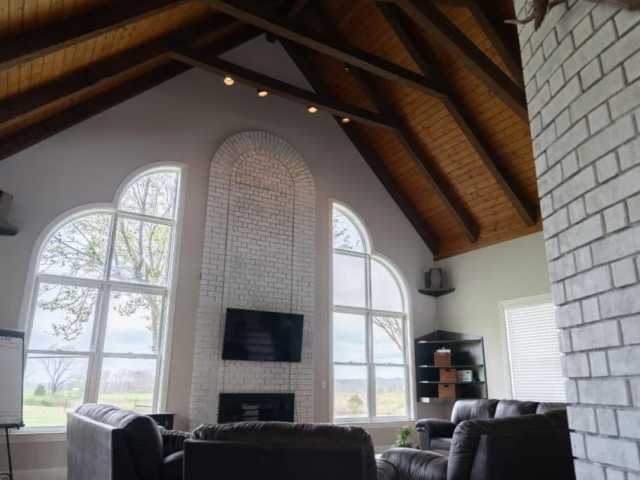



Recovery.com Verified Listing
Recovery.com verified that the name, location, contact information and license to operate for this treatment provider are valid and up-to-date.
Joint Commission Accredited

Licensed by Tennessee
Recovery.com is an independent, third-party mental health resource. Verification does not imply endorsement and does not guarantee the quality of treatment services.
Meet Your Care Team

Brian Fuller
Medical Director
MD

Lauren Bentley
Executive Director
LCSW

Ashley Oldani
Director of Clinical Operations
LPC-MHSP

Jennifer Mattio
Director of Operations

Trinea Grimes
Director of Residential Services

Dolly Southall
Receptionist

Reba England
Behavioral Health Manager

Tonya Barber
Behavioral Health Manager

Kelly Turner
Behavioral Health Manager

Allison Price
Program Director
LPC-MHSPN

Kirsten Collins
Program Director
LPC- MHSP

Brandi Weber
Medical Nurse Practitioner
NP-C

Kayla Cothran
Admissions Manager

Torrey Sellers
Admissions Specialist

Samantha Crites
Admissions Specialist

Melissa Morgan
Barn Manager
Your Care Options
Specializations
Alcohol
Using alcohol as a coping mechanism, or drinking excessively throughout the week, signals an alcohol use disorder.
Anxiety
Anxiety is a common mental health condition that can include excessive worry, panic attacks, physical tension, and increased blood pressure.
Co-Occurring Disorders
A person with multiple mental health diagnoses, such as addiction and depression, has co-occurring disorders also called dual diagnosis.
Depression
Symptoms of depression may include fatigue, a sense of numbness, and loss of interest in activities. This condition can range from mild to severe.
Drug Addiction
Drug addiction is the excessive and repetitive use of substances, despite harmful consequences to a person's life, health, and relationships.
Equine Therapy
Guided interactions with trained horses, their handler, and a therapist can help patients improve their self-esteem, trust, empathy, and social skills.
Post Traumatic Stress Disorder
PTSD is a long-term mental health issue caused by a disturbing event or events. Symptoms include anxiety, dissociation, flashbacks, and intrusive thoughts.
Trauma
Some traumatic events are so disturbing that they cause long-term mental health problems. Those ongoing issues can also be referred to as "trauma."
Who We Treat
Treatment Services
Day Treatment
In a PHP, patients live at home but follow an intensive schedule of treatment. Most programs require you to be on-site for about 40 hours per week.
Detox
Detox fully and safely removes toxic substances from the body, allowing the next steps in treatment to begin with a clean slate.
Intensive Outpatient Program
In an IOP, patients live at home or a sober living, but attend treatment typically 9-15 hours a week. Most programs include talk therapy, support groups, and other methods.
Licensed Primary Mental Health
Some primary care providers offer mental health diagnosis and treatment. This can prevent patients from developing more serious conditions.
Outpatient
During outpatient rehab, patients attend a structured treatment program while continuing to live at home.
Residential
In a residential rehab program, patients live onsite, with access to daily treatment and 24-hour care. An average stay is 30-90 days.
Approaches
Evidence-Based
A combination of scientifically rooted therapies and treatments make up evidence-based care, defined by their measured and proven results.
Experiential
Expressive tools and therapies help patients process past situations, learn more about themselves, and find healing through action.
Gender-Specific
Separate treatment for men or women can create strong peer connections and remove barriers related to trauma, shame, and gender-specific nuances.
Holistic
A non-medicinal, wellness-focused approach that aims to align the mind, body, and spirit for deep and lasting healing.
Therapies
1-on-1 Counseling
Patient and therapist meet 1-on-1 to work through difficult emotions and behavioral challenges in a personal, private setting.
Acceptance and Commitment Therapy (ACT)
This cognitive behavioral therapy teaches patients to accept challenging feelings and make the appropriate changes to reach personal goals.
Adventure Therapy
This experiential approach uses the physical and emotional challenges of outdoor activities as tools for personal growth.
Art Therapy
Visual art invites patients to examine the emotions within their work, focusing on the process of creativity and its gentle therapeutic power.
Equine Therapy
Guided interactions with trained horses, their handler, and a therapist can help patients improve their self-esteem, trust, empathy, and social skills.
Experiential Therapy
With this approach, patients heal by doing. Therapists help patients process difficult emotions to speak, using guided activities like art or dance.
Languages
Conditions We Treat
ADHD, ADD
ADHD is a common mental health condition caused by dopamine imbalance. Common symptoms include inattention, hyperactivitiy, and impulsivity.
Anger
Although anger itself isn't a disorder, it can get out of hand. If this feeling interferes with your relationships and daily functioning, treatment can help.
Anxiety
Anxiety is a common mental health condition that can include excessive worry, panic attacks, physical tension, and increased blood pressure.
Bipolar
This mental health condition is characterized by extreme mood swings between depression, mania, and remission.
Burnout
Burnout entails mental and physical exhaustion, and leads to a severe lack of fulfillment. This condition is often caused by overwork.
Codependency
Codependency is a pattern of emotional dependence and controlling behavior. It's most common among people with addicted loved ones.
Depression
Symptoms of depression may include fatigue, a sense of numbness, and loss of interest in activities. This condition can range from mild to severe.
Grief and Loss
Grief is a natural reaction to loss, but severe grief can interfere with your ability to function. You can get treatment for this condition.
Substances We Treat
Alcohol
Using alcohol as a coping mechanism, or drinking excessively throughout the week, signals an alcohol use disorder.
Benzodiazepines
Benzodiazepines are prescribed to treat anxiety and sleep issues. They are highly habit forming, and their abuse can cause mood changes and poor judgement.
Chronic Relapse
Consistent relapse occurs repeatedly, after partial recovery from addiction. This condition requires long-term treatment.
Co-Occurring Disorders
A person with multiple mental health diagnoses, such as addiction and depression, has co-occurring disorders also called dual diagnosis.
Cocaine
Cocaine is a stimulant with euphoric effects. Agitation, muscle ticks, psychosis, and heart issues are common symptoms of cocaine abuse.
Drug Addiction
Drug addiction is the excessive and repetitive use of substances, despite harmful consequences to a person's life, health, and relationships.
Ecstasy
Ecstasy is a stimulant that causes intense euphoria and heightened awareness. Abuse of this drug can trigger depression, insomnia, and memory problems.
Heroin
Heroin is a highly addictive and illegal opioid. It can cause insomnia, collapsed veins, heart issues, and additional mental health issues.
Aftercare
Care Designed for Your Needs
Personal Amenities
Amenities
Special Considerations
Gender-specific groups
Patients in gender-specific groups gain the opportunity to discuss challenges unique to their gender in a comfortable, safe setting conducive to healing.
Flexible technology policies
Centers with flexible technology policies allow professionals to stay in touch with work and give patients a greater sense of connection and normalcy.
Activities
Yoga
Yoga is both a physical and spiritual practice. It includes a flow of movement, breathing techniques, and meditation.
Off-Site Activities
Off-Site Amenities
Learn More About the Center
Trauma and Co-Dependency
Discover how people pleasing and boundary failure may be trauma’s survival strategy.
What to Expect at AA
Explore what an AA meeting is like and how to feel supported instead of judged.
Gastritis and Alcohol
Find out whether recurring stomach pain is alcohol quietly eroding the stomach lining.
Benefits of Addiction Treatment for Women
Learn how women-centered addiction treatment heals the body, rebuilds relationships, and restores trauma.
What people are saying
Treatment
3.6
Accommodations
3.9
Food & Nutrition
3.7
Value
3.8
Derek
Reviewed 01/06/23
Review from Rehabs.com
Dana
Reviewed 08/23/21
Review from Rehabs.com
jennifer
Reviewed 05/25/19
Review from Rehabs.com
Nancy
Reviewed 07/28/24
Review from Rehabs.com
Morgan
Reviewed 08/19/21
Review from Rehabs.com