Valley Hope of O'Neill

Substance Use

Treatment Focus

This center treats substance use disorders and co-occurring mental health conditions. Your treatment plan addresses each condition at once with personalized, compassionate care for comprehensive healing.

Residential

Primary Level of Care

Offering intensive care with 24/7 monitoring, residential treatment is typically 30 days and can cover multiple levels of care. Length can range from 14 to 90 days typically.

4.0
(83)
Claimed

Claimed

Recovery.com has connected directly with this treatment provider to validate the information in their profile.

Private Pay

Private Pay

You pay directly for treatment out of pocket. This approach can offer enhanced privacy and flexibility, without involving insurance. Exact costs vary based on program and length of stay. Contact the center for specific details.

A Residential Program

Valley Hope of O'Neill provides medically assisted detoxification along with efficient, cost-effective residential treatment. Their programs treat addictions and co-occurring mental health concerns with counseling, relapse prevention strategies, and education on addiction. Their 12-Step philosophy and clinical approach to treating alcohol and drug addiction include group therapy, individual therapy, family therapy, and milieu therapy. The 12-Step meetings, group therapy, and individual counseling total more than 40 hours per week for patients. Valley of Hope in O'Neill also develops an aftercare plan and aids the person in getting back to work.

A Recognized Program

Valley Hope of O’Neill is accredited by the Joint Commission and accepts most private insurance.

A Peaceful Location

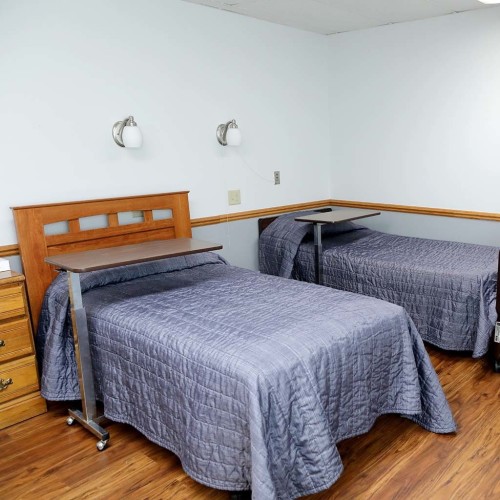
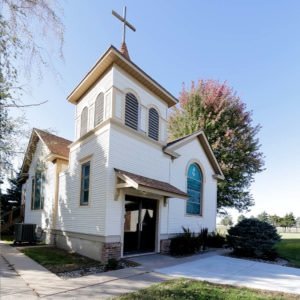
Valley Hope of O’Neill is located in north-central Nebraska. The facility provides comfortable accommodation and also has a chapel on-site.

Valley Hope of O'Neill thumbnail
AT A GLANCE

Center Overview

Location
1421 N 10th St. O'Neill, NE 68763 View Map
Primary Focus
This center treats substance use disorders and co-occurring mental healt...

Treatment Focus

This center treats substance use disorders and co-occurring mental health conditions. Your treatment plan addresses each condition at once with personalized, compassionate care for comprehensive healing.

Accreditation
Joint Commission

Joint Commission Accredited

The Joint Commission accreditation is a voluntary, objective process that evaluates and accredits healthcare organizations (like treatment centers) based on performance standards designed to improve quality and safety for patients. To be accredited means the treatment center has been found to meet the Commission's standards for quality and safety in patient care.

Typical Program Length
30 days
Founded in 1977
49 years in business
Conditions We Treat
Anger, Anxiety, Codependency, Depression +2 More
Substance Use We Treat
Alcohol, Benzodiazepines, Co-Occurring Disorders, Cocaine +8 More

(888) 851-4302

Part of the network.
Private Pay Option

Cash Pay Rates

Estimated Cash Pay Rate

Center pricing can vary based on program and length of stay. Contact the center for more information. Recovery.com strives for price transparency so you can make an informed decision.

If you are not using insurance, the pricing listed below is an estimate of the cash pay rate.
30 days
$9,500-$13,500
(888) 851-4302
Care Options

Levels of Care

Everyone's recovery journey is unique. Whether it looks like residential rehab for 30 days, an outpatient program, or virtual therapy, you can find a level of care that fits your needs.
Detox
Typically the initial stage of treatment for substance use, focusing on medically supervised management of withdrawal symptoms.
Residential Rehab
Offering intensive care with 24/7 monitoring, residential substance use treatment is typically 30 days. Length can range from 14 to 90 days.
Sober Living
Not Offered at This Center
Transitional housing designed to support individuals recovering from substance use disorders offering a safe, supportive and structured environment for practicing long-term sobriety, while reintegrating back into daily living.
Outpatient
Not Offered at This Center
Outpatient treatment offers flexible therapeutic and medical care without the need to stay overnight in a hospital or inpatient facility. Outpatient care typically offers a range of therapies and medical interventions individuals can attend alongside daily life.
Virtual & In-Home Care
Not Offered at This Center
The delivery of therapeutic services utilizing technology such as video conferencing, online messaging or phone calls, allowing for flexibility, comfort and increased access to care.
Co-Occurring Mental Health
Treatment for co-occurring mental health disorders, which affect the majority of individuals diagnosed, integrates care for mental health conditions with primary substance use. Personalized care plans are crafted to effectively address each condition simultaneously, optimizing the healing process.
Treatment

Your Care Options

Specializations

Alcohol

Alcohol

Using alcohol as a coping mechanism, or drinking excessively throughout the week, signals an alcohol use disorder.

Co-Occurring Disorders

Co-Occurring Disorders

A person with multiple mental health diagnoses, such as addiction and depression, has co-occurring disorders also called dual diagnosis.

Who We Treat

Men
Women

Approaches

Evidence-Based

Evidence-Based

A combination of scientifically rooted therapies and treatments make up evidence-based care, defined by their measured and proven results.

Twelve Step

Twelve Step

Incorporating spirituality, community, and responsibility, 12-Step philosophies prioritize the guidance of a Higher Power and a continuation of 12-Step practices.

Therapies

1-on-1 Counseling

1-on-1 Counseling

Patient and therapist meet 1-on-1 to work through difficult emotions and behavioral challenges in a personal, private setting.

1-on-1 Counseling with Clinical Psychologist
Family Therapy

Family Therapy

Family therapy addresses group dynamics within a family system, with a focus on improving communication and interrupting unhealthy relationship patterns.

Group Therapy
Pastoral Counseling

Pastoral Counseling

Based on religious principles, this branch of counseling combines spirituality with psychotherapy.

Relapse Prevention Counseling

Relapse Prevention Counseling

Relapse prevention counselors teach patients to recognize the signs of relapse and reduce their risk.

Spiritual Care

Spiritual Care

Tending to spiritual health helps treatment become more effective, allowing patients to better cope with their emotions and rebuild their spiritual wellbeing.

Trauma-Specific Therapy

Trauma-Specific Therapy

This form of talk therapy addresses any childhood trauma at the root of a patient's current diagnosis.

Twelve Step Facilitation

Twelve Step Facilitation

12-Step groups offer a framework for addiction recovery. Members commit to a higher power, recognize their issues, and support each other in the healing process.

Languages

English

Conditions We Treat

Anger

Anger

Although anger itself isn't a disorder, it can get out of hand. If this feeling interferes with your relationships and daily functioning, treatment can help.

Anxiety

Anxiety

Anxiety is a common mental health condition that can include excessive worry, panic attacks, physical tension, and increased blood pressure.

Codependency

Codependency

Codependency is a pattern of emotional dependence and controlling behavior. It's most common among people with addicted loved ones.

Depression

Depression

Symptoms of depression may include fatigue, a sense of numbness, and loss of interest in activities. This condition can range from mild to severe.

Post Traumatic Stress Disorder

Post Traumatic Stress Disorder

PTSD is a long-term mental health issue caused by a disturbing event or events. Symptoms include anxiety, dissociation, flashbacks, and intrusive thoughts.

Trauma

Trauma

Some traumatic events are so disturbing that they cause long-term mental health problems. Those ongoing issues can also be referred to as "trauma."

Substances We Treat

Alcohol

Alcohol

Using alcohol as a coping mechanism, or drinking excessively throughout the week, signals an alcohol use disorder.

Benzodiazepines

Benzodiazepines

Benzodiazepines are prescribed to treat anxiety and sleep issues. They are highly habit forming, and their abuse can cause mood changes and poor judgement.

Co-Occurring Disorders

Co-Occurring Disorders

A person with multiple mental health diagnoses, such as addiction and depression, has co-occurring disorders also called dual diagnosis.

Cocaine

Cocaine

Cocaine is a stimulant with euphoric effects. Agitation, muscle ticks, psychosis, and heart issues are common symptoms of cocaine abuse.

Drug Addiction

Drug Addiction

Drug addiction is the excessive and repetitive use of substances, despite harmful consequences to a person's life, health, and relationships.

Heroin

Heroin

Heroin is a highly addictive and illegal opioid. It can cause insomnia, collapsed veins, heart issues, and additional mental health issues.

Marijuana
Methamphetamine

Methamphetamine

Methamphetamine, or meth, increases energy, agitation, and paranoia. Long-term use can result in severe physical and mental health issues.

Nicotine

Aftercare

Support Meetings
Experience

Care Designed for Your Needs

Personal Amenities

Air-Conditioned Rooms
Private or Shared Rooms

Amenities

Access to Nature
Volleyball Court
Walking Trails

Activities

AA/NA Meetings
Alternative Meetings
Volleyball
Reviews

What people are saying

4.0
Average of 83 reviews

Treatment

3.6

Accommodations

3.2

Food & Nutrition

4.0

Value

3.6

T

ts

Reviewed 05/08/18

3.0

Review from Rehabs.com

My 32-year old son was admitted to VH in early April for his first residential treatment. A family friend drove him there, so I did not have much information on the facility, other than what is listed on their website. At the time of his admission, my son went willingly and signed release forms for me, since I was taking care of his insurance and financial papers. My son had lost everything to his addiction and no longer was making responsible decisions. His focus was on doing whatever possible to get alcohol and drinking until he passed out almost daily. Upon my son’s arrival, I called and asked to speak to someone in charge of his care and was given the name of his counselor. I spoke to her for the first time on my son’s first full day there and told her my concerns about letting him go into town, family counseling, discharge planning, and moving his upcoming arraignment date for his DUI arrest. I was told she would let me know about these things when my son was ready. I had two more communications with his counselor and both times she was rude and short with me. She seemed to take everything he said at his word and made no attempts for family counseling. I waited for her to call and follow up with me the following weeks, but she did not. Then when I started calling her, she would not return my calls. Finally, I called and spoke to the director. She was very compassionate and wrote down all my questions. She confirmed the release form was still in place and told me she would speak to the counselor and have her call me the next morning. Not only did nobody from the facility return my calls, but my son called to tell me that he pulled my release form. He had been telling me for days he had scheduled his follow-up care, but would not tell me any details. I called back to speak to the director to find out what happened and the receptionist made a rude comment about me, while I was waiting for the director to come to the phone. As I vented my anger for the lack of professionalism of the staff, the director just kept repeating over and over a script that “she could not confirm or deny if my son was even a patient there.” She did not even try to address my concerns. My son was released a few days later at the 22-day mark, due to his insurance. He had no discharge plan for treatment or housing, had received no family counseling, and had not heard a response back from the court. I get the impression that other problems occurred at the facility during the last week, because my son experienced a medical emergency there. Within hours after he arrived back in town, he was drunk and continued to drink daily. No counseling, treatment, AA meetings, or support was coordinated. I feel this facility did not follow through on their responsibilities and services to their patients and their family as listed on their website. Apparently my son did not learn anything from his treatment period either, because he continued in the same pattern upon his return to town as he had been before. The counselor did not seem to care or plan for my son’s success after he was discharged. I am very disappointed and would not recommend this facility to others.
L

Lexi

Reviewed 06/03/16

4.0

Review from Rehabs.com

Very experienced counselors, many of whom have been through treatment themselves. Pretty good family program. Great at encouraging patients to support one another and help push each other, while still working on their individual recovery. There were several people as well as myself, that found out days to a week into detox/treatment that their insurance would only be covering a few days of their time there. Any additional time outside of that would have to come out of pocket. The troubling part was that this happened almost daily to someone and the facility never warned anyone that it may be an issue when they gave their insurance information. So everyone admitted is told they will be in the facility for thirty days and it will cost 'x' amount, when in reality it could be both a short time and more money. This facility is amazing. There is no better way to describe it. Is it a brand new, four star resort? No. There are no mani-pedis, hot stone massages or an exercise room with a personal trainer. But there are amazing counselors (many who have been through recovery themselves), a great staff, and more support than anyone could ever ask for. Valley Hope plants the seeds of recovery and by the time a patient is discharged, those seeds have taken root. One of the best things about this facility is that once patients are out of detox, they are permitted to leave campus for up to two hours at a time. Since O'Neill is a small town, there are several small restaurants and shopping areas that patients can take advantage of without leaving town (which isn't allowed). One of the best things about being able to leave campus is that patients can take advantage of the nightly AA and NA meetings in town. These are great starter meetings for beginners in the program, those returning after a relapse or to alumnae back in town for one of Valley Hope's monthly renewal days. Lastly, The Valley Hope Association has several locations that really assist in transitioning from inpatient treatment to a continuing care program or outpatient treatment. This place literally saved my life and I will be forever grateful!
A

Anonymous

Reviewed 06/24/15

2.0

Review from Rehabs.com

They helped me to lay a very solid foundation for my recovery. All of the counselors are recovering alcoholics/addicts and they were easy to relate to. The food selections were limited and not the healthiest of choices; the meals were heavy fat/calorie-laden. Valley Hope and the treatment I received there literally saved my life and gave me a rock solid foundation for my recovery.
R

Robert

Reviewed 10/22/14

5.0

Review from Rehabs.com

Introduction to twelve step programs, Allowed to go to local mtgs.Encouraged to use outside support
S

Sheryl

Reviewed 08/14/15

3.0

Review from Rehabs.com

Some of the counselors were good. Absolutely NO fitness program, equipment or classes. Poor quality of MD who manages medications. Campus setup forces you to go outdoors a lot in the cold Nebraska winter No recognition of dual diagnosis. I would not go back there. I went to rehab for opiate dependence. Had taken Xanax for 30 years as prescribed with no abuse. They stopped the Xanax cold turkey. It took over a year for me to get my anxiety down to a manageable level. No one would listen. Cookie cutter rehab

We love hearing about your treatment experience

Center Location

Find Us

Virtual Tour

Tour the Facility

Frequently Asked Questions

Further Research

While costs may vary due to program length and insurance benefits, it typically costs $9,500-$13,500.
The following therapies are included: spiritual care, group therapy and more.
O'Neill, Nebraska, United States .
The typical length is 30 days.
Yes, they offer detox.
Valley Hope of O'Neill provides residential, detox and more.

Explore More

Easily search by condition, location, and other programs tailored to meet your needs.