- Addiction
- Mental Health
- About Us
Find Treatment By
Rehabs by Location


Find Treatment By
Learn
About Us
Recovery.com combines independent research with expert guidance on addiction and mental health treatment. Our mission is to help everyone find the best path to recovery through the most comprehensive, helpful network of treatment providers worldwide.
Advisory Council
Our advisory council brings together leaders in behavioral health, technology, and business. Their diverse expertise ensures our resources and product are innovative, evidence-based, and effective. They guide our mission as accomplished individuals dedicated to improving the landscape of addiction recovery and mental wellness.
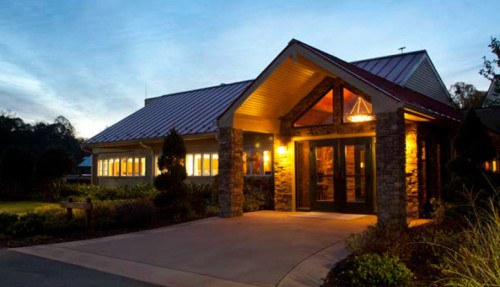
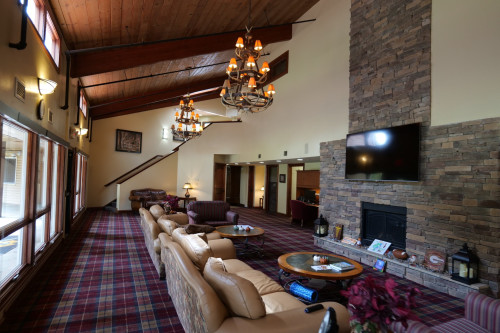


Warriors Heart Virginia
Treatment Focus
This center treats substance use disorders and co-occurring mental health conditions. Your treatment plan addresses each condition at once with personalized, compassionate care for comprehensive healing.
Primary Level of Care
Offering intensive care with 24/7 monitoring, residential treatment is typically 30 days and can cover multiple levels of care. Length can range from 14 to 90 days typically.
Claimed
Recovery.com has connected directly with this treatment provider to validate the information in their profile.
Treatment Focus
This center treats substance use disorders and co-occurring mental health conditions. Your treatment plan addresses each condition at once with personalized, compassionate care for comprehensive healing.
Primary Level of Care
Offering intensive care with 24/7 monitoring, residential treatment is typically 30 days and can cover multiple levels of care. Length can range from 14 to 90 days typically.
Provider's Policy
To facilitate access to our services, we accept various insurance plans. For more information on insurance coverage, please visit our website at www.warriorsheart.com/virginia.
Warriors Heart Virginia
Warriors Heart Virginia
About Warriors Heart Virginia
Located in eastern Virginia, between Richmond and D.C., Warriors Heart offers a specialized drug and alcohol rehabilitation program dedicated solely to veterans, active military personnel, and first responders. Recognizing the unique traumas that these brave individuals face, this center provides a safe haven for healing and recovery, focused on their distinct experiences.
Programs and Services
Warriors Heart Virginia provides a full spectrum of recovery services, including detoxification, residential treatment, Partial Hospitalization Program (PHP), Intensive Outpatient Program (IOP), and sober living options. Their expert team delivers personalized care that addresses both the physical and emotional aspects of addiction.
Unique Offerings
Their experiential programs play a vital role in the recovery process. The art program at Warriors Heart offers clients a therapeutic way to express themselves through a variety of artistic mediums, fostering personal exploration and emotional healing. They also provide yoga and jiu-jitsu classes that enhance physical well-being and mental fortitude, helping clients build strength and resilience. The SOC-F gym serves as an excellent resource for clients to engage in fitness activities that support their overall recovery journey. Additionally, the SHOP (Service-Honor-Opportunity-Purpose) program enhances clients' skills in woodworking and metalworking, allowing for creative expression and vocational training. Their K9 training program empowers clients to train their service animals, providing companionship and support throughout their recovery journey.
Warriors Heart’s vision is to "Bring 1 Million Warriors Home" to an environment that feels like "the opposite of a hospital." And 90% of the staff are part of the warrior community, either as a warrior or have a loved one who is a warrior. Warriors Heart was designed to feel like a “home” with suite-like rooms, a private chef who cooks healthy meals, healing modalities and a ranch setting with open-space.
Community and Connection
Warriors Heart works to foster a strong sense of community, allowing veterans and first responders to share their stories and find solace in shared experiences. This environment promotes healing and understanding, essential for overcoming the unique challenges faced by their clients.
Warriors Anonymous
Warriors Anonymous is a specialty meeting that has been approved by AA World Services. Warriors Anonymous is an international fellowship of men and women who have had a drinking/drug problem. It is nonprofessional, self-supporting, multiracial, apolitical, and available almost everywhere. There are no age or education requirements. Membership is open to Warriors (active military, veteran or first responder) who want to do something about their drinking/drug problem. (Singleness of Purpose and Problems Other Than Alcohol) Some professionals refer to alcoholism and drug addiction as “substance abuse” or “chemical dependency.” Non-alcoholics are, therefore, sometimes introduced to W.A. and encouraged to attend W.A. meetings. Non-alcoholics may attend open W.A. meetings as observers, but only those with a drinking/drug problem may attend closed W.A. meetings.

Center Overview
Treatment Focus
This center treats substance use disorders and co-occurring mental health conditions. Your treatment plan addresses each condition at once with personalized, compassionate care for comprehensive healing.
Joint Commission Accredited
The Joint Commission accreditation is a voluntary, objective process that evaluates and accredits healthcare organizations (like treatment centers) based on performance standards designed to improve quality and safety for patients. To be accredited means the treatment center has been found to meet the Commission's standards for quality and safety in patient care.
Insurance Accepted






Cash Pay Rates
Estimated Cash Pay Rate
Center pricing can vary based on program and length of stay. Contact the center for more information. Recovery.com strives for price transparency so you can make an informed decision.
Levels of Care


Your Care Options
Specializations
Alcohol
Using alcohol as a coping mechanism, or drinking excessively throughout the week, signals an alcohol use disorder.
Drug Addiction
Drug addiction is the excessive and repetitive use of substances, despite harmful consequences to a person's life, health, and relationships.
Veterans
Patients who completed active military duty receive specialized treatment focused on trauma, grief, loss, and finding a new work-life balance.
First Responders Program
Paramedics, police officers, firefighters, and others join in a specific First Responders program, usually focused on trauma, grief, and work-life balance.
Who We Treat
Men and Women
Men and women attend treatment for addiction in a co-ed setting, going to therapy groups together to share experiences, struggles, and successes.
Professionals
Busy, high-ranking professionals get the personalized treatment they need with greater accommodations for work, privacy, and outside communication.
Veterans
Patients who completed active military duty receive specialized treatment focused on trauma, grief, loss, and finding a new work-life balance.
Approaches
Evidence-Based
A combination of scientifically rooted therapies and treatments make up evidence-based care, defined by their measured and proven results.
Family Involvement
Providers involve family in the treatment of their loved one through family therapy, visits, or both–because addiction is a family disease.
Individual Treatment
Individual care meets the needs of each patient, using personalized treatment to provide them the most relevant care and greatest chance of success.
Therapies
1-on-1 Counseling
Patient and therapist meet 1-on-1 to work through difficult emotions and behavioral challenges in a personal, private setting.
Animal Therapy
Animals can inspire trust and self-worth. In this experiential therapy, guided interactions are used to improve social skills and emotion regulation.
Art Therapy
Visual art invites patients to examine the emotions within their work, focusing on the process of creativity and its gentle therapeutic power.
Eye Movement Therapy (EMDR)
Lateral, guided eye movements help reduce the emotional reactions of retelling and reprocessing trauma, allowing intense feelings to dissipate.
Family Therapy
Family therapy addresses group dynamics within a family system, with a focus on improving communication and interrupting unhealthy relationship patterns.
Relapse Prevention Counseling
Relapse prevention counselors teach patients to recognize the signs of relapse and reduce their risk.
Trauma-Specific Therapy
This form of talk therapy addresses any childhood trauma at the root of a patient's current diagnosis.
Languages
Substances We Treat
Alcohol
Using alcohol as a coping mechanism, or drinking excessively throughout the week, signals an alcohol use disorder.
Benzodiazepines
Benzodiazepines are prescribed to treat anxiety and sleep issues. They are highly habit forming, and their abuse can cause mood changes and poor judgement.
Co-Occurring Disorders
A person with multiple mental health diagnoses, such as addiction and depression, has co-occurring disorders also called dual diagnosis.
Cocaine
Cocaine is a stimulant with euphoric effects. Agitation, muscle ticks, psychosis, and heart issues are common symptoms of cocaine abuse.
Drug Addiction
Drug addiction is the excessive and repetitive use of substances, despite harmful consequences to a person's life, health, and relationships.
Heroin
Heroin is a highly addictive and illegal opioid. It can cause insomnia, collapsed veins, heart issues, and additional mental health issues.
Methamphetamine
Methamphetamine, or meth, increases energy, agitation, and paranoia. Long-term use can result in severe physical and mental health issues.
Opioids
Opioids produce pain-relief and euphoria, which can lead to addiction. This class of drugs includes prescribed medication and the illegal drug heroin.
Prescription Drugs
It's possible to abuse any drug, even prescribed ones. If you crave a medication, or regularly take it more than directed, you may have an addiction.
Aftercare
Care Designed for Your Needs
Personal Amenities
Amenities
Special Considerations
Healthy Meals are provided
Great food meets great treatment, with providers serving healthy meals to restore nutrition, wellbeing, and health.
First Responders Program
Paramedics, police officers, firefighters, and others join in a specific First Responders program, usually focused on trauma, grief, and work-life balance.
Activities
Yoga
Yoga is both a physical and spiritual practice. It includes a flow of movement, breathing techniques, and meditation.