- Addiction
- Mental Health
- About Us
Find Treatment By
Rehabs by Location


Find Treatment By
Learn
About Us
Recovery.com combines independent research with expert guidance on addiction and mental health treatment. Our mission is to help everyone find the best path to recovery through the most comprehensive, helpful network of treatment providers worldwide.
Advisory Council
Our advisory council brings together leaders in behavioral health, technology, and business. Their diverse expertise ensures our resources and product are innovative, evidence-based, and effective. They guide our mission as accomplished individuals dedicated to improving the landscape of addiction recovery and mental wellness.
Waypoint Recovery Center
Treatment Focus
This center treats substance use disorders and co-occurring mental health conditions. Your treatment plan addresses each condition at once with personalized, compassionate care for comprehensive healing.
Primary Level of Care
Offering intensive care with 24/7 monitoring, residential treatment is typically 30 days and can cover multiple levels of care. Length can range from 14 to 90 days typically.
Claimed
Recovery.com has connected directly with this treatment provider to validate the information in their profile.
Treatment Focus
This center treats substance use disorders and co-occurring mental health conditions. Your treatment plan addresses each condition at once with personalized, compassionate care for comprehensive healing.
Primary Level of Care
Offering intensive care with 24/7 monitoring, residential treatment is typically 30 days and can cover multiple levels of care. Length can range from 14 to 90 days typically.
Provider's Policy
We are currently in-network with BlueCross/BlueShield and UBH (outpatient only). We also work closely with most insurance carriers, and we can also help to provide a financing plan for the balance due that insurance may not cover.
Waypoint Recovery Center
Waypoint Recovery Center
About Waypoint Recovery Center
A Structured Program
The Waypoint Recovery Center specializes in the treatment of co-occurring medical conditions and substance use disorders. Clients undergo a preliminary clinical assessment and biopsychosocial screening before beginning the program. Even though Waypoint Recovery does not offer detox, they can direct you to nearby resources if that is what you need. Clients who are admitted to treatment will have the chance to participate in structured therapy. The focus of individual therapy is on evidence-based techniques like CBT and DBT. The main focus of group therapy is psychoeducation, which covers subjects like life skills, emotional processing, trigger identification, relapse prevention, and mindfulness exercises. Once per week, participants must attend on-site 12-Step meetings or SMART recovery sessions. The Waypoint Recovery Center provides holistic therapies, such as art therapy, journaling, and meditation, because it recognizes the individuality of every client.
Peace and Privacy
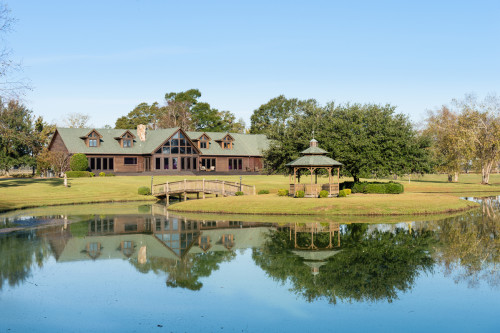
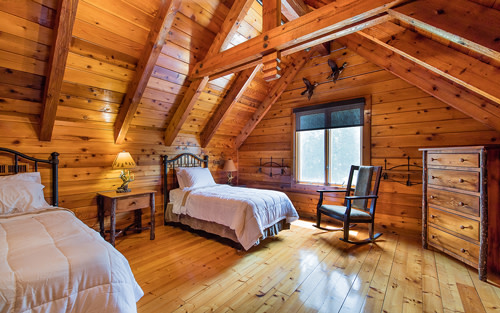
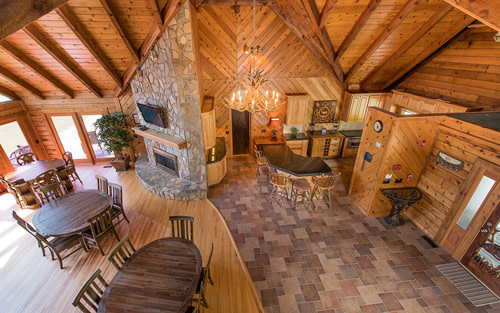
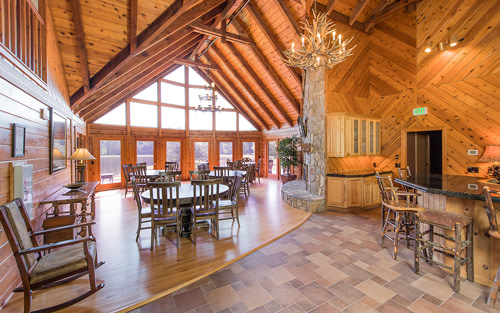
Waypoint Recovery Center is located in Cameron, South Carolina. The gorgeous facility is nestled on 50 private acres. The home offers 35 beds with rustic log cabin-like decorations. All residents are housed separately by gender. In addition to the spacious home and sleeping quarters, the facility includes several large meeting rooms, an exercise room, a fully-equipped kitchen, and common areas with cable TV and WiFi. Clients are provided 3 meals a day including snacks. Waypoint Recovery Center provides well-rounded care in a peaceful setting. They are accredited by the Joint Commission and accept most private insurance.
Center Overview
Treatment Focus
This center treats substance use disorders and co-occurring mental health conditions. Your treatment plan addresses each condition at once with personalized, compassionate care for comprehensive healing.
Joint Commission Accredited
The Joint Commission accreditation is a voluntary, objective process that evaluates and accredits healthcare organizations (like treatment centers) based on performance standards designed to improve quality and safety for patients. To be accredited means the treatment center has been found to meet the Commission's standards for quality and safety in patient care.
Insurance Accepted






Cash Pay Rates
Estimated Cash Pay Rate
Center pricing can vary based on program and length of stay. Contact the center for more information. Recovery.com strives for price transparency so you can make an informed decision.
Levels of Care


Your Care Options
Specializations
Co-Occurring Disorders
A person with multiple mental health diagnoses, such as addiction and depression, has co-occurring disorders also called dual diagnosis.
Who We Treat
Men and Women
Men and women attend treatment for addiction in a co-ed setting, going to therapy groups together to share experiences, struggles, and successes.
Approaches
Evidence-Based
A combination of scientifically rooted therapies and treatments make up evidence-based care, defined by their measured and proven results.
Holistic
A non-medicinal, wellness-focused approach that aims to align the mind, body, and spirit for deep and lasting healing.
Individual Treatment
Individual care meets the needs of each patient, using personalized treatment to provide them the most relevant care and greatest chance of success.
Twelve Step
Incorporating spirituality, community, and responsibility, 12-Step philosophies prioritize the guidance of a Higher Power and a continuation of 12-Step practices.
Therapies
Languages
Conditions We Treat
Anxiety
Anxiety is a common mental health condition that can include excessive worry, panic attacks, physical tension, and increased blood pressure.
Bipolar
This mental health condition is characterized by extreme mood swings between depression, mania, and remission.
Depression
Symptoms of depression may include fatigue, a sense of numbness, and loss of interest in activities. This condition can range from mild to severe.
Post Traumatic Stress Disorder
PTSD is a long-term mental health issue caused by a disturbing event or events. Symptoms include anxiety, dissociation, flashbacks, and intrusive thoughts.
Substances We Treat
Alcohol
Using alcohol as a coping mechanism, or drinking excessively throughout the week, signals an alcohol use disorder.
Benzodiazepines
Benzodiazepines are prescribed to treat anxiety and sleep issues. They are highly habit forming, and their abuse can cause mood changes and poor judgement.
Co-Occurring Disorders
A person with multiple mental health diagnoses, such as addiction and depression, has co-occurring disorders also called dual diagnosis.
Cocaine
Cocaine is a stimulant with euphoric effects. Agitation, muscle ticks, psychosis, and heart issues are common symptoms of cocaine abuse.
Drug Addiction
Drug addiction is the excessive and repetitive use of substances, despite harmful consequences to a person's life, health, and relationships.
Heroin
Heroin is a highly addictive and illegal opioid. It can cause insomnia, collapsed veins, heart issues, and additional mental health issues.
Methamphetamine
Methamphetamine, or meth, increases energy, agitation, and paranoia. Long-term use can result in severe physical and mental health issues.
Opioids
Opioids produce pain-relief and euphoria, which can lead to addiction. This class of drugs includes prescribed medication and the illegal drug heroin.
Aftercare
Care Designed for Your Needs
Personal Amenities
Amenities
Activities
What people are saying
Treatment
4.5
Accommodations
4.3
Food & Nutrition
2.8
Value
4.3
Jeannie R.
Treatment in 2025 • (30 days) • Reviewed 01/06/26
Former Client
Robert T.
Treatment in 2023 • (30 days) • Reviewed 06/03/23
Former Client
•retired
•Spartanburg, SC